 Bellingham Exterior
 Exterior Contracting in Sehome
Sehome sits close to the heart of Bellingham, with a mix of older homes near Western Washington University and newer infill construction tucked into its hillier streets. It's one of those Bellingham neighborhoods where you can feel the marine influence year-round — the air carries more moisture than it does further inland, and homes here tend to show weather wear a little sooner than homeowners expect. If you've owned a house in Sehome for more than a few years, you've probably already noticed it: paint that fades faster on the west-facing wall, trim that stays damp longer after a storm, or a roofline that seems to collect moss no matter how often it gets cleaned off.
That's not bad luck. It's Whatcom County weather doing what Whatcom County weather does. Bellingham Exterior Contractors works on homes throughout Sehome and the surrounding Bellingham area, and we build every recommendation around what actually holds up here — not generic advice that might work better in a drier climate.
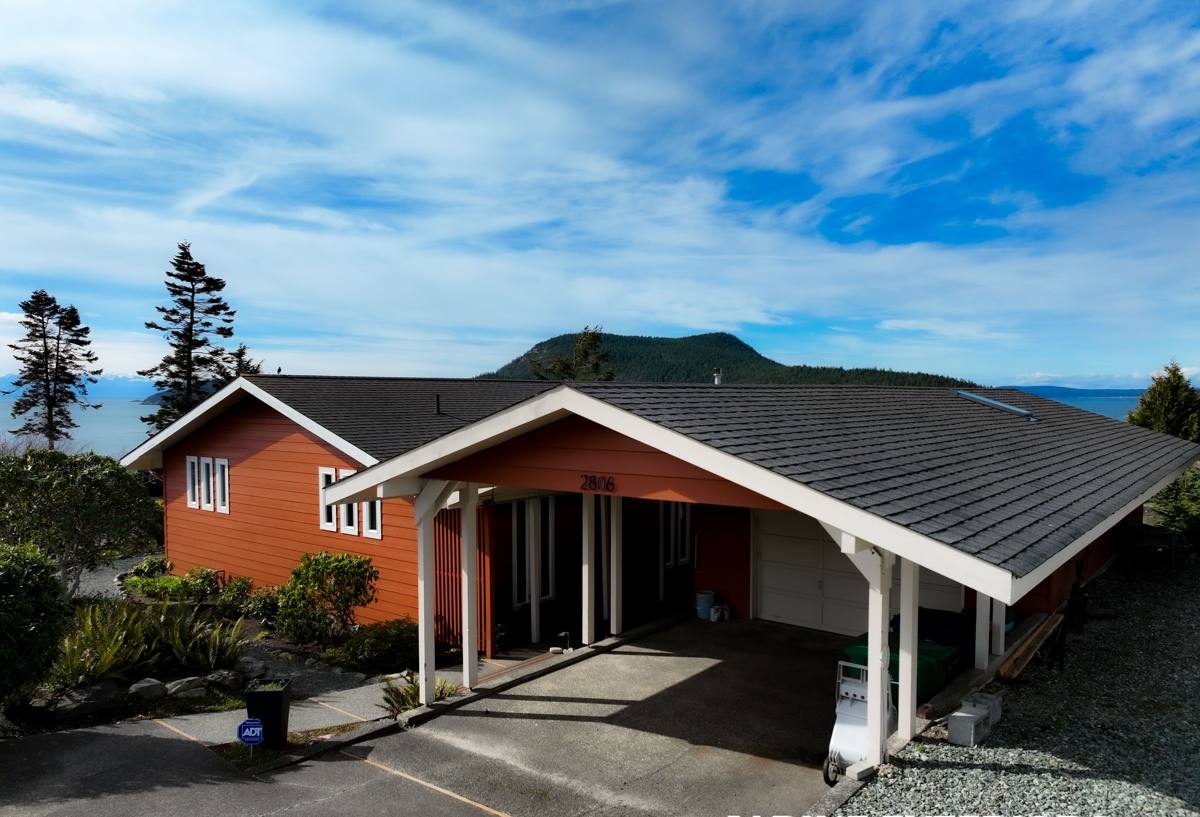
What Sehome's Climate Does to a Home's Exterior
Salt Air and Moisture
Bellingham's proximity to the water means homes across the city, including Sehome, deal with airborne salt and near-constant humidity for large stretches of the year. Salt-laden air accelerates corrosion on fasteners, flashing, and any exposed metal components. It also means exterior materials that rely on paint film or sealants for protection need those coatings to perform consistently — a compromised seal doesn't just look bad, it lets moisture in behind the surface.
Driving Rain
Wind-driven rain is a different problem than a straight-down downpour. It gets pushed sideways into wall assemblies, under poorly lapped siding, around window flanges, and into deck ledger connections. A lot of the exterior failures we see in this area aren't from rain falling on a surface — they're from rain finding a horizontal or angled path into a place it was never supposed to reach.
The Long Moss Season
Bellingham's mild, wet stretches from fall through spring create ideal conditions for moss and algae growth on roofs, shaded siding, and north-facing walls. Moss holds moisture against the surface it's growing on, which is exactly the opposite of what you want for wood trim, shingles, or any material sensitive to sustained dampness. Left unaddressed, moss growth shortens the service life of a roof and contributes to premature rot in wood-based siding and trim.
Siding in Sehome: Why Material Choice Matters More Here
Siding is the first line of defense against everything above, and it's also the exterior component where material choice makes the biggest long-term difference. Bellingham Exterior Contractors installs James Hardie fiber cement siding exclusively — we don't install vinyl, LP SmartSide, Cemplank, Allura, or primed wood products like spruce or cedar. That's a deliberate standard, not a limitation, and it's worth explaining why in a climate like Sehome's.
Why We Don't Install Certain Products
- Vinyl siding expands and contracts with temperature swings and can warp or crack over time; its seams and J-channels also give wind-driven rain more opportunities to work moisture behind the panel.
- LP SmartSide and similar engineered wood products use a wood-strand core that, if the factory coating is ever compromised at a cut edge or fastener point, is vulnerable to moisture absorption and swelling — a real concern in a climate with this much sustained dampness.
- Primed cedar or spruce siding is genuinely attractive, but it depends on an ongoing paint and caulk maintenance schedule to keep water out. In a marine climate with a long wet season, that maintenance window shrinks, and the consequences of skipping a cycle show up faster.
- Cemplank and Allura are also fiber cement products and share some of Hardie's core advantages, but we've standardized on James Hardie specifically for its ColorPlus factory finish process, its HZ5 product engineering for the Pacific Northwest's moisture and temperature profile, and the depth of its installer network and warranty support in this region.
Why James Hardie
James Hardie fiber cement is non-combustible, dimensionally stable, and engineered specifically for climate zones like ours through its HZ5 product line. The ColorPlus finish is baked on at the factory under controlled conditions, which gives it more consistent, longer-lasting color retention than field-applied paint — a real advantage when your home is regularly exposed to salt air and UV. Correctly installed, with proper flashing, clearances, and joint treatment, Hardie siding is built to handle exactly the driving-rain, high-moisture conditions Sehome sees for much of the year, backed by a strong transferable warranty.
Roofing Considerations for Sehome Homes
Roofs in Sehome face the combined effect of moss, moisture, and wind. A roof that's structurally sound can still fail prematurely if moss is allowed to build up under shingle tabs or around flashing details, trapping moisture against the roof deck. Regular inspection matters here more than in drier parts of the state — catching lifted shingles, degraded flashing, or moss colonization early is far cheaper than a full roof replacement after water finds its way into the attic or wall cavities.
When we do replace or repair a roof in Sehome, we pay close attention to flashing details around chimneys, skylights, and valleys, since these are the areas where wind-driven rain most often defeats an otherwise adequate roofing system.
Windows: Sealing Out a Wetter Climate
Window failures in this climate are rarely about the glass itself — they're about the seal between the window unit and the wall assembly. Flashing tape, proper head flashing, and correctly lapped weather-resistive barrier all have to work together to keep driving rain from tracking behind the window frame. Older Sehome homes with original windows often show their age through fogged double-pane glass or drafty frames, both of which are signs the seal has degraded. Window replacement is also a natural time to correct flashing details that may have been done to an older, less rigorous standard originally.
Decks: Built for Wet Ground and Wet Air
Deck longevity in Sehome comes down to two things: how well the ledger board connection is flashed against the house, and how well the structure sheds water instead of holding it. Post bases sitting in standing water, ledger boards without proper flashing, and horizontal surfaces that trap moisture against fasteners are the most common sources of premature deck failure we see in this climate. Whether you're building new or replacing an aging deck, the details that matter most are the ones you can't see once the decking boards are down.
Cost Factors for Exterior Work in Sehome
| Project | Key Cost Drivers | Climate-Specific Consideration |
|---|---|---|
| Siding replacement | Home size, number of stories, trim complexity, existing wall condition | Proper moisture barrier and flashing add labor but prevent early failure |
| Roof replacement | Roof pitch, square footage, layers to remove, material selection | Moss-resistant details and flashing quality matter more than material grade alone |
| Window replacement | Number of openings, window size, whether structural framing changes | Flashing integration is as important as the window unit itself |
| Deck construction/repair | Size, height, decking material, railing style | Ledger flashing and post-base drainage drive long-term durability |
Every estimate we provide accounts for the actual condition of your home, not a generic price sheet — a Sehome home with existing moisture damage will need different prep work than one that's been well-maintained.
Why a Local Crew Matters
Knowing that Sehome sees more sustained dampness than inland Whatcom County, or that a particular block tends to sit in shade long enough to grow moss faster, isn't something you learn from a spec sheet. It comes from working on homes in this specific area over time. A local crew also means faster response for follow-up questions, warranty service, and the kind of accountability that comes from being an actual part of the Bellingham community rather than a crew passing through.
A Practical Checklist for Sehome Homeowners
- Check north-facing walls and rooflines for moss buildup each fall and spring
- Inspect caulking and paint around windows and trim annually for cracking or gaps
- Look at deck ledger boards and post bases for signs of standing water or rot
- Watch for interior signs of moisture intrusion — soft drywall, musty smells, peeling paint near exterior walls
- Have flashing details checked whenever you're getting roofing, siding, or window work quoted
Getting Started
If you're noticing moss buildup, fading siding, drafty windows, or a deck that's starting to feel less solid, it's worth having a local crew take a look before small issues turn into structural ones. We offer free, no-pressure estimates for homeowners in Sehome and throughout the Bellingham area — fill out the form below to get a straightforward assessment of what your home actually needs.