 Bellingham Exterior
 Why Two Roof Bids Can Look So Different
If you've collected more than one estimate for a roof replacement, you've probably noticed the numbers don't line up. One contractor quotes a figure that seems reasonable, another comes in noticeably higher, and a third seems too good to be true. That spread isn't random — it usually comes down to differences in material grade, what's happening underneath the shingles, how much tear-off and disposal is involved, and whether the crew is planning to fix problems they find along the way or just cover them up.
This page walks through the real cost drivers behind a roof replacement so you can read a bid intelligently instead of just comparing bottom-line numbers. It's general education, not a sales pitch for a specific roofing product — but where whole-exterior planning comes up, we'll note it, since roof and siding decisions often get made around the same time.
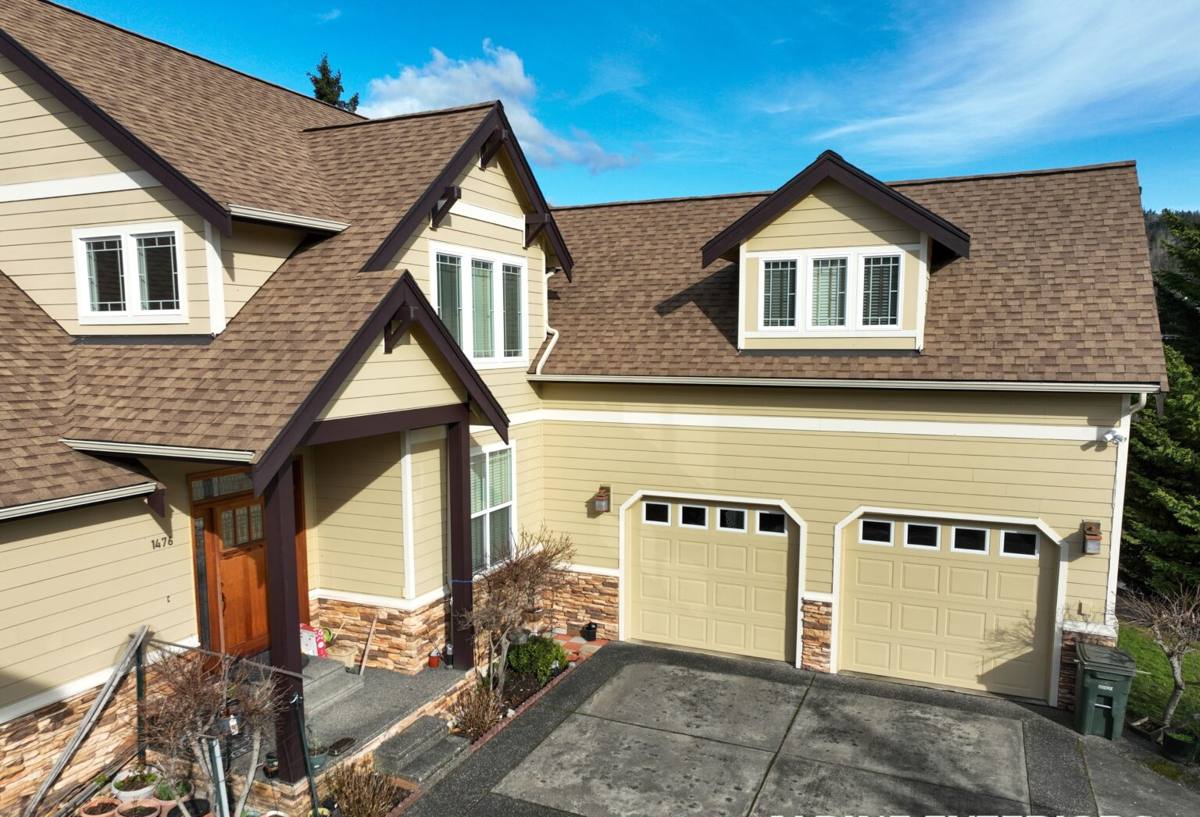
Roofing Material: The Biggest Single Lever
Material choice moves the price more than almost anything else. Here's a general comparison of the common options homeowners in this area weigh against each other:
| Material | Typical Lifespan | Relative Cost | Notes for This Climate |
|---|---|---|---|
| 3-tab asphalt shingle | 15-20 years | Lowest | Least algae/moss resistance; shortest interval before replacement |
| Architectural (laminate) shingle | 25-30 years | Mid | Most common choice locally; many lines now include algae-resistant granules |
| Metal (standing seam or panel) | 40-50+ years | Higher | Sheds moss and moisture well, but installation detailing matters a lot |
| Cedar shake | 20-30 years with upkeep | Higher | Needs regular treatment and cleaning to resist moss in a wet climate |
| TPO/flat roof membrane | 15-25 years | Varies | Common on additions and low-slope sections; seam quality is everything |
Within each material category there's also a wide range of product tiers — a budget-grade architectural shingle and a premium one from the same manufacturer can differ significantly in price and warranty coverage. Ask any contractor to name the exact product line and grade, not just "architectural shingle," so you can compare apples to apples between bids.
Warranty Structure Affects the Real Cost
A longer manufacturer warranty sounds better, but read what it actually covers. Many warranties prorate coverage after the first several years, and almost all of them require the roof to be installed by a certified installer and registered correctly to stay valid. A cheaper roof with a warranty that's hard to actually collect on isn't necessarily the better deal.
Roof Size, Pitch, and Complexity
Square footage is the obvious factor, but pitch and complexity move the price almost as much. A steep roof requires more safety equipment, slower work, and often specialized crews, which adds labor cost even on a modest footprint. A roof with lots of valleys, dormers, skylights, and roof-to-wall transitions takes far more flashing work per square foot than a simple gable roof of the same size — and every one of those transitions is a potential leak point if it's rushed.
Questions Worth Asking About Complexity
- How many roof planes, valleys, and penetrations (vents, skylights, chimneys) does the roof have?
- Is the pitch steep enough to require additional safety measures or specialized crew?
- Are there multiple roof levels or additions with different framing ages?
- Does the estimate price flashing and penetrations separately, or is it bundled in vaguely?
What's Under the Old Shingles Matters
You can't fully price a roof replacement until the old roofing is off and the decking is visible. Rotten or delaminated plywood, damaged rafters, or inadequate ventilation are common discoveries once a roof is opened up — especially on homes that have gone through a few decades of Whatcom County's wet winters. A contractor who quotes a firm, all-in number without ever mentioning the possibility of decking repair is either assuming the best case or planning to charge you as a surprise change order later. Either way, ask upfront how decking replacement is priced — usually per sheet — so there are no surprises mid-project.
Underlayment Isn't Just a Formality
Synthetic or felt underlayment, and especially ice-and-water shield along eaves and valleys, is cheap relative to the whole job but does a lot of the actual work of keeping water out during driving rain. In a region that sees sustained wet weather for much of the year, skimping here is one of the more common ways a "cheap" roof turns expensive within a few seasons.
Tear-Off, Layers, and Disposal
If your roof already has two layers of shingles on it, code typically requires both to come off before a new layer goes on, which means more labor and more dump fees. Disposal cost is real — a full tear-off generates a significant volume of waste, and hauling and dump fees are a legitimate line item, not padding. Be wary of a bid that's dramatically lower than others; sometimes that's a sign the contractor is planning to overlay rather than tear off, which shortens the life of the new roof and can violate code depending on the existing layer count.
Bellingham's Climate: Moss, Moisture, and Ventilation
Local weather is a genuine cost factor, not just a talking point. Bellingham and the rest of Whatcom County get a long stretch of the year with persistent moisture, and the tree cover common in this area means moss and algae growth is a near-constant pressure on north-facing and shaded roof slopes. That affects the job in a few practical ways:
- Algae-resistant granules cost a bit more upfront but reduce the staining and moss colonization that shortens shingle life here.
- Proper attic ventilation matters more in a marine climate — trapped moisture under the decking accelerates rot and can void shingle warranties, so ridge and soffit venting should be part of the scope, not an afterthought.
- Timing around the weather window can affect scheduling and, in some cases, pricing, since tear-off exposes the home to the elements and contractors plan around drier stretches when they can.
None of this means a roof replacement here costs dramatically more than elsewhere — it means the details that resist moss, shed driving rain, and vent properly are worth paying attention to, because they're the details that determine whether the roof looks good and performs at year fifteen, not just at year one.
Permits, Code Upgrades, and Flashing Details
Most roof replacements in the area require a permit, and permit fees are a legitimate, usually modest, part of the bid. More significant are code-driven upgrades — things like updated ice-and-water shield coverage or ventilation requirements that weren't in place when the original roof was built. A contractor pulling a proper permit and inspecting to current code is doing you a favor, even if it adds a bit to the number; skipping permits to shave cost can create real problems when you go to sell the home.
Flashing — around chimneys, skylights, walls, and valleys — is where most roof leaks actually originate, not in the field of shingles itself. Reusing old, corroded flashing to save money is one of the more common shortcuts on a low bid, and one of the more expensive mistakes to have to fix later.
Labor, Overhead, and What a Lower Bid Might Be Cutting
Licensed, insured roofing crews cost more than an unlicensed crew working out of a truck, and that difference shows up in the bid. It's a legitimate cost, not a markup — proper insurance and workers' comp protect you if someone is injured on your property, and licensing gives you recourse if the work is defective. When a bid is dramatically lower than the others you've collected, it's worth asking directly what's different: material grade, crew experience, insurance coverage, or scope (tear-off vs. overlay, decking repair included or not).
Reading a Bid Line by Line
- Does it name the specific product line and warranty, not just a material category?
- Does it specify tear-off of all existing layers, and disposal?
- Does it price decking repair per sheet, so a discovery mid-job isn't a blank check?
- Does it call out flashing replacement at chimneys, skylights, and valleys?
- Does it address ventilation, not just shingles?
- Is the contractor licensed, bonded, and insured — and will they show you proof?
Timing a Roof Replacement Alongside Other Exterior Work
Roofs and siding tend to age on overlapping but not identical timelines, and it's common for a homeowner replacing one to start looking hard at the other. If your siding is also nearing the end of its useful life — showing paint failure, delamination, or moisture damage — it's worth having both assessed together rather than treating them as unrelated projects, since scaffolding, staging, and scheduling can sometimes be shared. For siding specifically, we install James Hardie fiber cement exclusively because of how it holds up to the same driving rain and moisture exposure that drives a lot of the roofing decisions above — but that's a separate conversation from your roof, and we're happy to have it only if it's relevant to your home.
Getting a Number You Can Actually Compare
The most useful thing you can do before collecting bids is decide what you actually want compared: same material tier, same tear-off scope, same warranty structure. Once bids are apples-to-apples, the price differences usually make sense, and the outliers — too high or too low — start to explain themselves. A contractor who's willing to walk your roof, explain what they see, and put the scope in writing in plain language is generally worth more than the lowest number on a page.
If you'd like a straightforward look at your roof and an honest read on what it will actually take to replace it — no pressure, no inflated scare tactics — we're glad to come take a look and walk you through it. The estimate is free either way.