 Bellingham Exterior
 Exterior Contractor Serving Sunnyland
Sunnyland is one of Bellingham's older, established neighborhoods, sitting close enough to Bellingham Bay that salt-laden air is a regular part of the weather picture, alongside the driving rain and long gray stretches that define a Whatcom County winter. Homes here carry a mix of ages and styles, and a lot of them are due for honest conversations about what their siding, roof, windows, and decks have actually been through. We're a local exterior contractor, and Sunnyland is squarely in our service area — close enough that we're not guessing at what the climate does to a house here, we're watching it happen year after year.
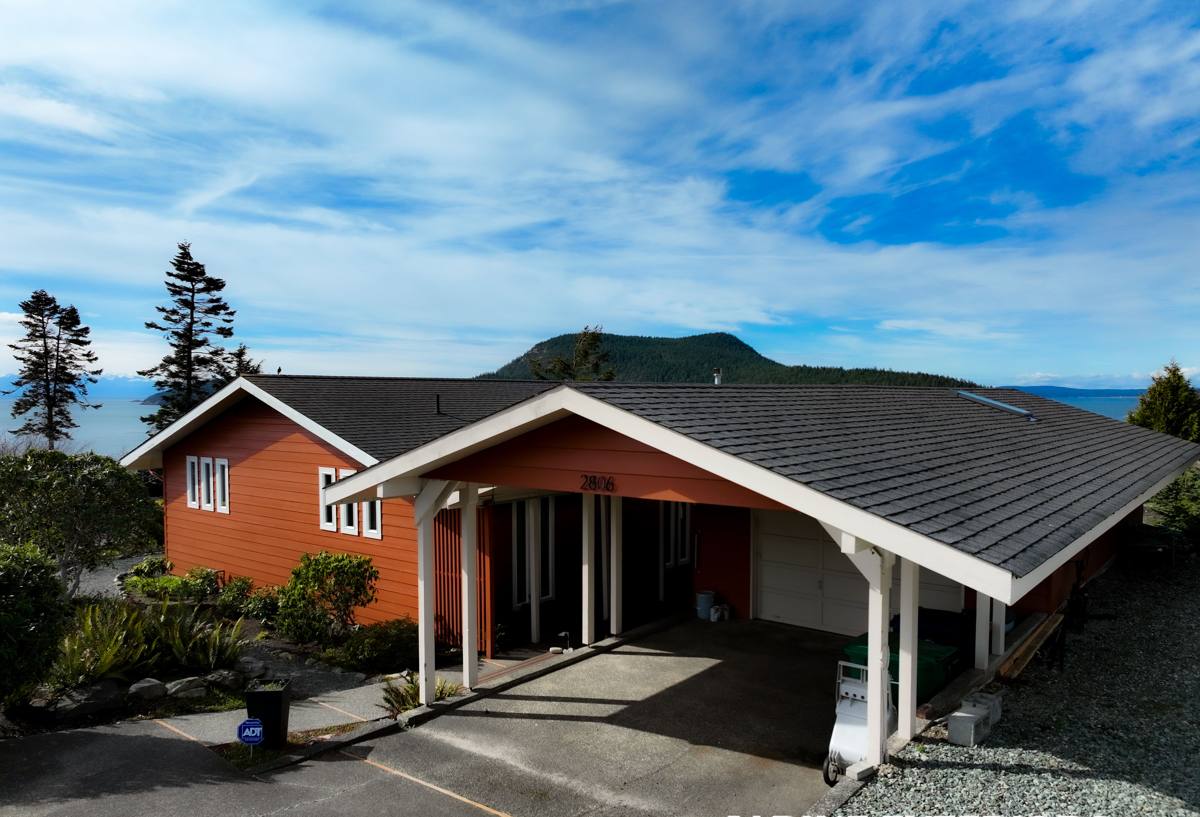
What the Climate Does to Sunnyland Homes
Bellingham's marine climate is mild compared to a lot of the country, but "mild" doesn't mean gentle on a building envelope. A few things stack up specifically in a neighborhood like Sunnyland:
- Salt air: Proximity to the bay means airborne moisture carries salt, which accelerates corrosion on fasteners, flashing, and metal roofing components, and speeds up the breakdown of paint and lesser siding materials.
- Driving rain: Wind-driven rain off the water doesn't just fall straight down — it gets pushed sideways into siding laps, window trim, and deck ledger connections, which is exactly where poor installation shows up first.
- Moss and algae season: Whatcom County's wet season runs long. Shaded north- and east-facing walls, roofs under mature trees, and decks that don't get much sun stay damp for weeks at a stretch, which is prime conditions for moss, algae, and the wood rot that follows if moisture gets trapped.
- Tree cover: Established neighborhoods tend to have established trees — great for shade, tough on gutters, roofs, and siding that collects organic debris.
None of this is unique to Sunnyland, but it's the reality of an older neighborhood close to the water, and it's why we treat every recommendation here as climate-specific, not generic.
Siding: Why We Only Install James Hardie
Siding is the first line of defense against everything listed above, and it's also the exterior component we get the most questions about — because there are a lot of options, and not all of them hold up the same way in a wet, salty, moss-prone environment.
We install James Hardie fiber cement siding exclusively. We don't install vinyl, LP SmartSide, primed spruce, cedar, or other fiber cement brands like Cemplank or Allura. That's a deliberate standard, not a lack of options, and it comes down to how these products actually perform over decades in a climate like ours:
What Rules Out the Alternatives
- Vinyl expands, contracts, and can warp or crack in temperature swings and wind-driven rain events, and it doesn't offer the same fire resistance or long-term color retention as a factory-finished fiber cement product.
- Wood-based siding (LP SmartSide, primed spruce, cedar) is an engineered or solid wood product at its core. Wood siding depends on an intact paint or sealant layer to keep moisture out — and in a climate with this much sustained damp and moss pressure, any breach in that layer (a nail pop, a seam, a scuff) becomes an entry point for rot faster than it would in a drier region.
- Other fiber cement brands use the same base material as Hardie but don't universally match its factory-applied ColorPlus finish system, engineered moisture and impact performance, or transferable warranty terms.
Why Hardie Specifically
James Hardie fiber cement is non-combustible, doesn't support moss and algae growth the way wood-based products can, and comes in HZ5 formulations engineered for wetter, harsher climates like the Pacific Northwest. The ColorPlus factory finish resists fading and chipping far better than field-applied paint, which matters when you're not repainting a house every few years. It's a heavier, denser product than vinyl or engineered wood, which also helps it hold up to wind-driven rain and general knocks and bumps over time. When it's installed correctly — proper clearances, correct fastening, flashing detailed the way the manufacturer specifies — it's built to be a long-term answer to exactly the conditions Sunnyland deals with, not a five- or ten-year fix.
Roofing in a Long Moss Season
Roofs in Sunnyland face the same moisture load as siding, plus direct exposure to sun, wind, and whatever falls out of the trees overhead. A few things we watch for on inspections in this neighborhood:
- Moss colonization on shaded slopes, which holds moisture against shingles and shortens their service life if left unaddressed.
- Flashing around chimneys, valleys, and roof-to-wall transitions — these are the most common leak points, and salt air accelerates corrosion on cheaper or aging metal flashing.
- Gutter and downspout capacity, since a long wet season means gutters are doing more work, more often, for more months of the year than in drier climates.
We evaluate roofs on their actual condition — deck integrity, flashing, ventilation, and moss or algae staining — rather than pushing a full replacement when a repair or a maintenance plan is the honest answer.
Windows: Sealing Out Wind-Driven Rain
Older homes in established neighborhoods like Sunnyland often have original or early-replacement windows that were never rated for the sideways rain a bay-adjacent property can see in a strong winter storm. Common issues we find:
- Failed seals on older dual-pane units, showing up as fogging between the panes.
- Deteriorated exterior trim and caulking, which lets wind-driven rain track behind the window frame and into the wall cavity.
- Drafts and energy loss from aging frames that were never a great fit for a marine climate to begin with.
When we replace windows, flashing and integration with the surrounding siding matters as much as the window unit itself — a good window installed without proper flashing will still let water in behind the wall.
Decks: Built for Shade and Standing Moisture
A lot of Sunnyland's tree cover is a real asset for shade and privacy, but shaded decks stay damp longer after every rain, which is exactly the environment moss, algae, and soft or rotting boards come from. We look at:
- Ledger board attachment and flashing, since this connection point is a common source of hidden water damage.
- Board spacing and drainage, so water isn't sitting on the deck surface for days after a storm.
- Railing and post connections, which take on stress from both moisture and general wear over time.
Comparing Common Exterior Materials in This Climate
| Material | Moisture/Moss Resistance | Maintenance Burden | Long-Term Fit for Sunnyland |
|---|---|---|---|
| Vinyl siding | Doesn't rot, but seams and fasteners are weak points in driving rain | Low, but prone to warping/fading over time | Fair — cost-driven choice, not a climate-optimized one |
| Wood-based siding (cedar, LP, primed spruce) | Depends entirely on paint/sealant staying intact | High — regular repainting and caulk maintenance | Weak in long wet seasons if maintenance lapses |
| Other fiber cement brands | Generally good, varies by finish system | Moderate, depends on factory finish quality | Good, but warranty and finish details vary by brand |
| James Hardie fiber cement | Engineered HZ5 formulation for wet, marine climates | Low — factory ColorPlus finish, no regular repainting | Strong — built for this exact climate profile |
Why a Local Crew Matters Here
Exterior work in Whatcom County isn't generic exterior work. A crew that mainly works drier inland climates will make different assumptions about flashing details, moisture barriers, and fastener choices than a crew that works bay-adjacent neighborhoods in Bellingham every week. We know what a long moss season does to a north-facing wall, what salt air does to unprotected metal, and what wind-driven rain does to a poorly flashed window or deck ledger — because we see the results of getting it wrong on other people's houses regularly. That local knowledge shows up in the details: clearances, flashing sequencing, fastener choice, and where we tell a homeowner a repair is enough versus where we don't cut corners.
A Practical Checklist for Sunnyland Homeowners
- Check north- and east-facing siding and roof slopes each fall for moss buildup before winter rains set in.
- Look at window trim and caulking for cracking or gaps, especially on walls facing prevailing wind and rain.
- Clear gutters and downspouts at least twice a year given the extended wet season and tree cover common in the neighborhood.
- Inspect deck ledger boards and post bases for soft wood or staining, particularly on shaded decks.
- Watch for chalking, fading, or peeling on painted wood siding — it's an early sign the protective layer is failing.
- If you're planning a re-side, ask any contractor directly what siding material they install and why — the answer tells you a lot about how they think about long-term performance versus upfront cost.
Getting Started
Whether it's a full re-side with James Hardie, a roof evaluation, window replacement, or a deck that needs a real look at what's happening underneath it, we start with an honest assessment of the house in front of us — not a generic pitch. If you're in Sunnyland or anywhere else in the Bellingham area and want a straight answer about what your exterior actually needs, we're happy to take a look. Reach out for a free, no-pressure estimate using the form below.