 Bellingham Exterior
 Exterior Work Built for the Puget Neighborhood
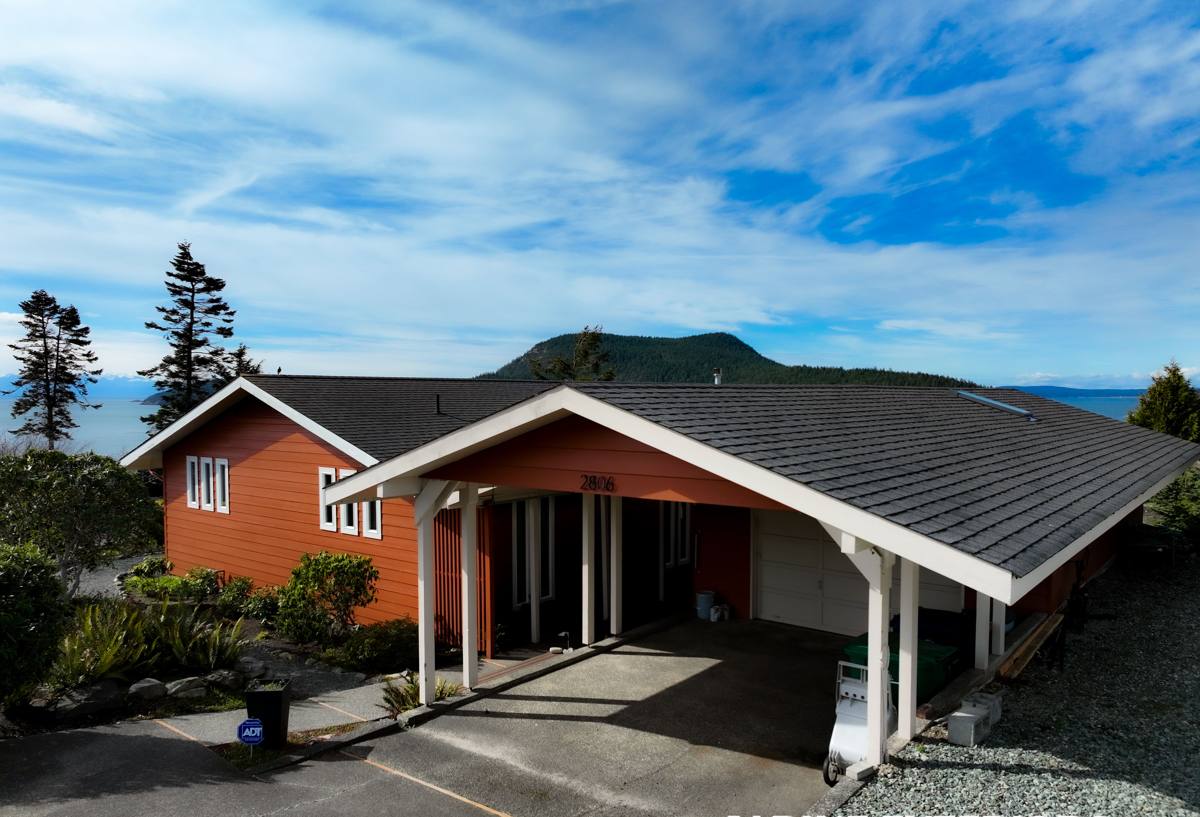
Homes in and around the Puget neighborhood sit close enough to the water and the weather patterns that move through it to feel every season on the exterior first. Bellingham and Whatcom County get a specific combination of conditions that's harder on siding, roofing, windows, and decks than most homeowners realize until they're dealing with a problem: salt-tinged air off the Sound, long stretches of driving rain, and a moss and mildew season that can run most of the year in shaded spots. None of that is dramatic weather compared to other parts of the country, but it's relentless, and relentless is what wears an exterior down.
This page covers what we see on Puget-area homes, how we approach siding, roofing, window, and deck work for this specific stretch of coastline, and why the products and crew you choose matter more here than in a drier climate.
What the Local Climate Actually Does to a House
Salt Air and Moisture
Proximity to Bellingham Bay and the Salish Sea means airborne salt is a real factor for homes closer to the water, not just a coastal exaggeration. Salt-laden air accelerates corrosion on fasteners, flashing, and any metal component on the exterior, and it interacts with moisture to keep surfaces damp longer than they'd otherwise stay. Combined with our marine-influenced humidity, that's a slow but steady attack on anything not built or installed to handle it.
Driving Rain
Whatcom County rain isn't usually the heaviest in the state by volume, but it's frequent and it often comes with wind, which pushes water sideways into wall assemblies, window frames, and roof edges instead of letting it run straight down and off. Wind-driven rain finds the weak points in a building envelope — a poorly lapped siding joint, an under-flashed window, a roof valley that wasn't detailed correctly — and it finds them repeatedly, year after year, until something fails.
Moss Season
Shaded north sides, tree-covered lots, and the sheer number of damp, low-light days in this part of Washington add up to a long moss and algae season. Roofs are the most visible casualty, but moss and mildew will also colonize siding, deck boards, and anywhere else organic growth gets a foothold and isn't disturbed by sun or airflow.
Siding: Why Product Choice Matters More Here Than Elsewhere
We install James Hardie fiber cement siding exclusively, and the Puget-area climate is a big part of why. Fiber cement doesn't absorb water the way wood-based products do, doesn't rot, and doesn't provide the organic food source that moss and mildew need to spread the way it does on cedar or primed wood siding. It's also non-combustible, which matters regardless of climate but doesn't hurt in a region where wildfire smoke seasons have become a summer fixture.
We get asked why we don't install other common options, and the honest answer is trade-offs, not that those products are bad:
- Vinyl siding is inexpensive and low-maintenance, but it expands and contracts more with temperature swings, can crack in cold snaps, and its seams and J-channels give wind-driven rain more opportunities to work behind the cladding over time.
- LP SmartSide is an engineered wood product with real strengths, but it's still wood-based at its core, meaning it needs consistent caulking and paint maintenance to keep moisture out — a bigger commitment in a climate this wet.
- Cedar and primed spruce look great when new and age beautifully in the right hands, but they demand the most upkeep of any siding option here: refinishing, moisture monitoring, and vigilance against the rot and moss this exact climate is set up to cause.
- Cemplank and Allura are also fiber cement, and reasonable products, but we've standardized on James Hardie specifically for its ColorPlus factory-applied finish, its HZ5 product engineering for our climate zone, and the strength of its transferable warranty when installation is done to spec.
James Hardie's HZ5 lines are engineered for climates with significant moisture exposure, which fits Whatcom County's profile well. The ColorPlus finish is baked on at the factory under controlled conditions, which holds color and resists the fading and peeling that field-applied paint jobs are prone to after a few Pacific Northwest winters. None of this means Hardie is maintenance-free — it still needs proper caulking, periodic washing, and attention to any impact damage — but the maintenance burden is meaningfully lower than wood-based alternatives in this specific climate.
Roofing for Wind-Driven Rain and Long Moss Seasons
A roof in this area has two jobs beyond basic weather protection: shedding wind-driven rain without letting it work backward under shingles or through valleys, and resisting moss colonization long enough that a homeowner isn't fighting it every year. That comes down to detailing as much as material choice — proper underlayment, correctly lapped flashing at valleys, chimneys, and penetrations, and ventilation that keeps the roof deck dry from underneath as well as on top. A roof that's watertight on paper but poorly detailed at the transitions will still leak in exactly the conditions Bellingham produces most often.
Moss control is partly a maintenance issue and partly a design issue. Roofs with heavy shade exposure or low-slope sections will always be more moss-prone, and no coating or treatment eliminates that permanently — but correct installation, adequate ventilation, and periodic cleaning keep it from becoming a structural problem instead of just a cosmetic one.
Windows: Managing Condensation and Wind-Driven Rain
Window failures in this climate usually show up as one of two things: condensation between panes on older or poorly sealed units, or water intrusion at the frame during a windy rain event. Both come back to installation quality as much as the window itself. Flashing around the window opening needs to integrate correctly with the siding's water management system — a detail that's easy to get wrong and hard to diagnose once the siding is closed up around it.
Modern dual- or triple-pane windows with quality low-E glass help with both energy performance and interior condensation, which matters through Bellingham's cooler, damp winters. But the window is only as good as the flashing and sealant work around it, which is where a lot of leaks that get blamed on "bad windows" actually originate.
Decks: Built to Handle Standing Moisture
Decks take the most direct, sustained moisture exposure of anything on a Puget-area exterior — horizontal surfaces, standing water after rain, and shaded areas that never fully dry out between storms. Ledger board flashing, proper board spacing for drainage, and joist protection all matter more here than in a drier climate, because any weak point in a deck's water management becomes an active rot site given enough damp weeks in a row. Composite decking has become popular here specifically because it doesn't absorb water or feed moss the way untreated wood does, though wood decking done with correct flashing and drainage detailing still performs well when maintained.
Why a Local Crew Matters
A lot of exterior problems in this region trace back to work done by crews who installed correctly for a drier climate, not this one. Flashing sequences, caulk joint placement, and even fastener spacing get adjusted when a crew has seen what actually fails on Whatcom County homes after a few wet seasons. A local crew also knows which sides of a house take the worst wind-driven rain, where moss problems tend to start, and how salt air factors into fastener and flashing choices near the water — knowledge that doesn't come from a spec sheet.
Cost Factors to Expect
Exterior project costs vary by home size, existing condition, and scope, but the factors below tend to move the price up or down on Puget-area jobs specifically.
| Factor | Why It Matters Here |
|---|---|
| Existing moisture damage | Rot behind old siding or around windows adds repair scope before new material goes on |
| Home exposure to wind and salt air | Water-facing and elevated sites may need upgraded flashing and fastener details |
| Roof complexity (valleys, penetrations) | More transitions mean more detailing time to manage wind-driven rain correctly |
| Shade and moss exposure | Heavily shaded roofs and decks may need extra ventilation or drainage work |
| Material choice | Fiber cement, composite decking, and quality window units cost more upfront but less in maintenance over time in this climate |
Maintenance That Actually Matters in This Climate
Regardless of which exterior components a home has, a few maintenance habits make an outsized difference in a climate like Bellingham's:
- Clear moss and debris from roof valleys and gutters at least once a year, more often under heavy tree cover
- Check and refresh caulking around windows and siding joints before the wet season sets in
- Rinse salt residue off siding and trim periodically if the home is close to the water
- Keep deck surfaces clear of standing leaves and debris that trap moisture against the boards
- Walk the exterior after major windstorms to catch loose flashing or damaged sections early
Catching small issues during routine checks is far cheaper than repairing the rot or water damage that develops when they're ignored through a full wet season.
Getting Started
If you're in the Puget neighborhood or elsewhere around Bellingham and want an honest look at what your siding, roof, windows, or deck actually need, we're happy to take a look. We'll tell you what's holding up fine, what's worth watching, and what should be addressed now versus later. Reach out for a free, no-pressure estimate.