 Bellingham Exterior
 Exterior Contracting for the Columbia Neighborhood
Columbia is one of Bellingham's older, established neighborhoods, sitting close enough to the waterfront and Bellingham Bay that its housing stock has spent decades absorbing everything the Salish Sea climate can throw at it. Homes here range from early-1900s bungalows and post-war cottages to newer infill construction, but nearly all of them share the same exterior challenge: salt-tinged marine air, near-constant damp, and long stretches of the year when surfaces simply don't dry out. Bellingham Exterior Contractors works in Columbia regularly, and we've built our approach around what that specific combination of conditions does to siding, roofing, windows, and decks over time.
This page walks through what we see on Columbia homes, how we approach siding, roofing, window, and deck work in this part of Whatcom County, and why we've standardized on one siding product rather than offering the usual menu of options.
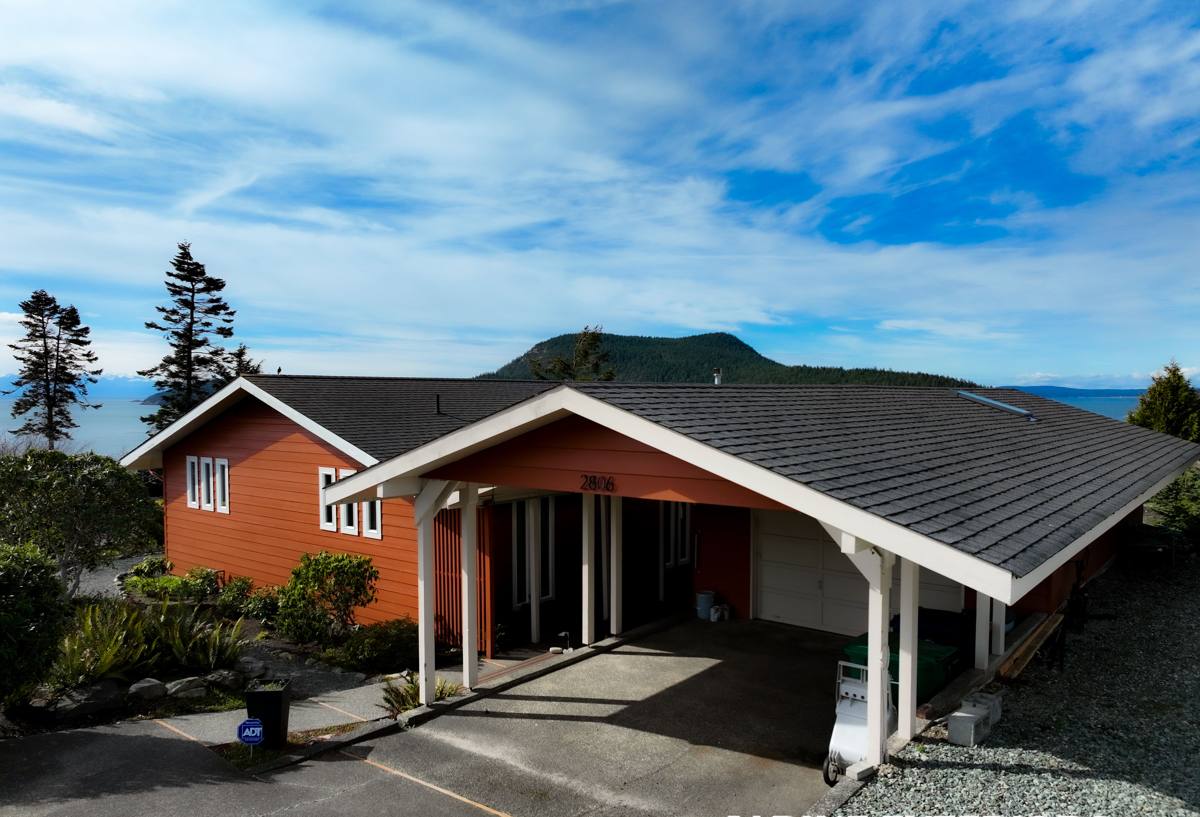
What the Columbia Climate Does to a House
Salt Air and Metal Fatigue
Proximity to Bellingham Bay means airborne salt settles on exterior surfaces more than it would a few miles inland. Salt is hygroscopic — it pulls moisture out of the air and holds it against whatever it lands on. On fasteners, flashing, gutters, and any exposed metal trim, that means accelerated corrosion compared to homes in drier or more inland parts of the county. It also means paint and coatings on wood and composite products break down faster, since the salt film holds water against the surface longer between rain events.
Driving Rain
Bellingham's weather doesn't just rain straight down — winter storms off the Strait of Georgia and Bay push rain sideways into wall assemblies, especially on west- and southwest-facing elevations. That's the orientation that takes the worst of it on most Columbia lots, and it's usually where we find the earliest signs of trouble: swollen siding seams, staining below window sills, and soft trim at inside corners.
Moss and Prolonged Dampness
Whatcom County's moss season runs long — realistically most of the fall through spring — and Columbia's mature tree canopy and proximity to the water only extend it. Moss and algae don't just look bad; they hold moisture against roofing and siding surfaces for weeks at a time, well past the point where the material would otherwise have dried out. On roofs, sustained moss growth lifts shingle edges and traps grit that accelerates granule loss. On siding, algae staining is often the first visible sign that a wall isn't shedding water and drying the way it should.
Siding: Why We Only Install James Hardie
Homeowners in Columbia ask us regularly why we don't offer vinyl, LP SmartSide, or one of the other fiber cement brands like Allura or Cemplank. It's a fair question, and the honest answer is that we made a standardization decision based on what holds up in exactly this climate.
What we ruled out, and why
- Vinyl siding is affordable and low-maintenance in dry climates, but it expands and contracts with temperature swings, can warp or crack in sustained cold snaps, and its seams and J-channels give moisture a path inward in wind-driven rain — exactly the condition Columbia gets most winters.
- LP SmartSide is an engineered wood product with a resin-treated strand core. It performs reasonably well when installation and caulking are kept up perfectly, but wood-based cores are still vulnerable to moisture intrusion at cut edges and fastener penetrations if that maintenance schedule slips — and in a marine climate, it rarely gets easier over time.
- Other fiber cement brands (Allura, Cemplank) are legitimate cement-based products, but they don't carry the same factory-applied finish warranty or the climate-specific engineering that James Hardie has built into its HZ5 product line for the Pacific Northwest.
Why James Hardie
James Hardie fiber cement is non-combustible, doesn't support rot, and is manufactured in HZ5 formulations specifically engineered for wetter, harsher climates like ours. Its ColorPlus factory finish is baked on under controlled conditions rather than field-applied, which means better fade and moisture resistance than a job-site paint job — a real advantage when a house is fighting salt air and long damp seasons on top of normal UV exposure. It also carries a strong transferable warranty, which matters to Columbia's mix of long-term owners and homes that turn over to new buyers.
None of this means other products are junk — it means that after years of installing and repairing exteriors in this climate, we decided one system deserved our full focus rather than splitting our crews and warranty commitments across five different products.
Siding Comparison at a Glance
| Product | Moisture Behavior in Marine Climate | Maintenance | Our Position |
|---|---|---|---|
| Vinyl | Seams allow water intrusion under driving rain; can crack in cold | Low, but limited repair options | Not installed |
| LP SmartSide | Vulnerable at cut edges/fasteners if caulking lapses | Moderate — caulk and paint upkeep required | Not installed |
| Other fiber cement (Allura, Cemplank) | Generally sound cement-based performance | Low to moderate | Not installed — warranty/finish differences |
| James Hardie (HZ5) | Engineered for wet climates; factory finish resists moisture and fade | Low | Our standard install |
Roofing in Columbia
Roofing work in this neighborhood is shaped almost entirely by moss and moisture retention. Tree cover near the water keeps roofs shaded and damp longer than in more open parts of Bellingham, and that means:
- Moss removal and treatment need to happen on a real schedule, not just when it becomes visible from the street.
- Flashing details around chimneys, valleys, and roof-to-wall transitions need to be inspected regularly, since these are the first points where trapped moisture finds a way in.
- Ventilation matters as much as the roofing material itself — a roof that can't breathe traps moisture underneath the shingles regardless of how new they are.
We evaluate the whole roofing system, not just the shingles, when we look at a Columbia home — because in this climate, the underlayment, ventilation, and flashing are doing as much work as the surface material.
Windows: Sealing Out a Wet Climate
Older Columbia homes often still have original or early-replacement windows that were never detailed for today's level of wind-driven rain exposure. Failed seals, fogged double-pane units, and soft framing at the sill are common findings. When we replace windows, proper flashing integration with the surrounding wall assembly matters as much as the window unit itself — a good window installed without correct flashing will still let water into the wall over time, especially on the west- and southwest-facing walls that take the brunt of Bellingham's storms.
Decks: Built for Standing Water and Shade
Decks in Columbia deal with the same prolonged dampness as roofs and siding, often compounded by shade from mature trees that keeps deck boards from ever fully drying between rain events. We look closely at:
- Ledger board attachment and flashing, since this is the most common point of hidden rot on older decks.
- Board spacing and drainage beneath the deck, which affects how quickly the structure dries out after a storm.
- Material choice — composite decking sheds water differently than wood and can be the better long-term option in a yard that stays shaded and damp most of the year.
Why a Local Crew Matters in Columbia
Exterior work in this neighborhood isn't generic — it requires knowing which elevations take the worst weather, how long moss season really runs here, and how salt air changes the maintenance math on metal components and fasteners. A crew that works across Whatcom County regularly, rather than treating every job as a first encounter with this climate, catches these details before they become expensive repairs. We also know that Columbia's mix of older original construction and newer infill means every home needs to be assessed on its own, not treated with a one-size-fits-all spec.
What to Expect When You Call Us
Our Process Checklist
- On-site inspection of siding, roofing, windows, and decks — we look at the whole exterior system, not just the component you called about.
- Honest assessment of what's failing, what's still sound, and what can wait.
- A clear explanation of material options, with James Hardie as our siding recommendation and the reasoning behind it.
- A written estimate with no pressure to sign on the spot.
- A realistic timeline that accounts for Bellingham's wet-season scheduling constraints.
Get a Free, No-Pressure Estimate
If you're noticing moss buildup, soft trim, fogged windows, or a deck that never seems to dry out in your Columbia home, we're happy to take a look. Fill out the form below for a free estimate — there's no obligation, and we'll give you a straight answer about what your exterior actually needs.