 Bellingham Exterior
 Exterior Contracting for Silver Beach Homes
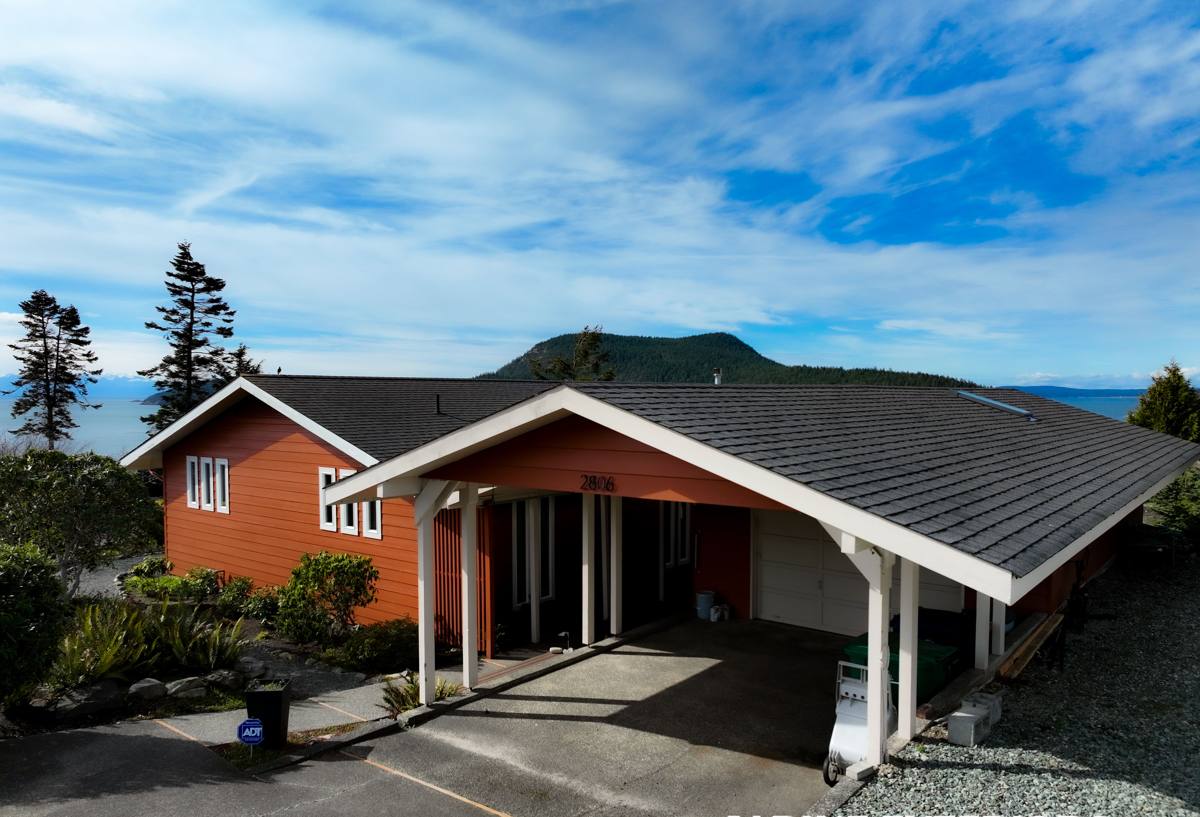
Silver Beach sits in one of Bellingham's older, more established residential pockets, with a mix of mid-century houses, newer infill construction, and everything in between. Whatever era a home in this neighborhood was built, its exterior is doing the same job year-round: keeping Whatcom County's weather out. That's a bigger job here than a lot of homeowners realize until they're dealing with a soft fascia board, a moss-blackened roof, or siding that's started to cup and separate at the seams.
Bellingham Exterior Contractors works with homeowners throughout Silver Beach on siding, roofing, windows, and decks. We're not a national franchise dispatching whoever's available that week — we're a local crew that understands how this specific climate wears on a house and builds every job around that reality.
What the Local Climate Does to a House
Whatcom County's marine-influenced climate is mild compared to a lot of the country, which is exactly why it's easy to underestimate. There's no hard freeze-thaw cycle tearing things apart, no punishing summer sun baking materials — instead, it's a slow, steady grind. Long stretches of driving rain, damp air moving in off the water, and short winter days that don't give surfaces much chance to fully dry out.
That combination adds up over time:
- Moss and algae: shaded roof planes and north-facing siding stay damp long enough for moss and algae to take hold, especially under tree cover, which is common throughout Silver Beach's mature, tree-lined lots.
- Wind-driven rain: storms off the water don't just fall straight down — they get pushed sideways into wall assemblies, which is where poor flashing and caulking show up as real problems, not cosmetic ones.
- Chronic moisture at seams and edges: siding joints, window trim, and deck ledger boards take the brunt of repeated wetting and drying cycles.
- Salt-tinged marine air: homes closer to the water and open exposures deal with airborne moisture that's a little more corrosive to fasteners, flashing, and unprotected wood than a purely inland climate would produce.
None of this is dramatic on its own. It's cumulative — a house that looks fine for the first several years can start showing real wear once moisture has had a decade to work on the wrong materials or a bad install.
Why Moss Season Matters More Than People Think
"Moss season" in this part of Washington isn't a short window — it's closer to eight or nine months out of the year when conditions favor growth on any north-facing or shaded surface. On a roof, moss holds moisture against shingles and can work its way under tabs and flashing over time. On siding, it traps water against the surface and, on the wrong material, that trapped moisture is exactly what leads to swelling, delamination, or paint failure. Choosing materials and details that shed water and resist that kind of buildup isn't optional here — it's the baseline.
Siding: Why We Only Install James Hardie
We install James Hardie fiber cement siding exclusively. We don't offer vinyl, LP SmartSide, Cemplank, Allura, primed spruce, or cedar — not because those products don't have a place in the market, but because after years of doing exterior work in this climate, we don't think they hold up the way homeowners expect them to when they're paying for a long-term exterior.
Vinyl can warp and fade, and its seams and J-channels give water a path to travel behind the cladding in wind-driven rain. Wood-based siding products, including engineered wood, depend on their edges and cut ends staying sealed — miss one spot during install or maintenance, and moisture gets in and doesn't leave easily in a climate this damp. Cedar is a beautiful, genuinely traditional material, but it's high-maintenance: it needs regular refinishing and careful moisture management to avoid rot, especially in shaded, tree-covered lots like many in Silver Beach.
James Hardie fiber cement is cement, sand, and cellulose fiber — it doesn't absorb and swell the way wood-based products do, it's non-combustible, and it holds paint and factory finish far longer than wood siding typically does. The ColorPlus factory finish is baked on under controlled conditions, which gives it better fade and chip resistance than field-applied paint. Hardie's HZ5 product line is engineered specifically for wet, marine climates like ours, and it carries a strong transferable warranty that reflects the manufacturer's confidence in how the product performs over decades, not just years.
That's the whole reason we standardized on one product: we'd rather install one system extremely well and stand behind it than offer a menu of options we're not fully confident in for this climate.
Siding Comparison at a Glance
| Material | Moisture Behavior in Wet Climates | Maintenance | Our Position |
|---|---|---|---|
| James Hardie fiber cement | Doesn't absorb/swell; resists moss and rot when installed correctly | Low — repaint cycle much longer than wood | What we install |
| Vinyl | Seams can allow water intrusion behind cladding; can warp | Low, but limited repair options | Not installed |
| Engineered wood (LP SmartSide, etc.) | Vulnerable at cut edges and unsealed spots | Moderate — edge sealing is critical | Not installed |
| Cedar | Needs consistent finish maintenance to prevent rot | High — regular refinishing required | Not installed |
Roofing for Wet, Shaded Lots
Roofing in Silver Beach has to deal with two things at once: sustained rain volume and, on many lots, significant tree cover that keeps roof planes damp and shaded longer than an open, sunny site would be. That combination is what drives moss growth and, eventually, granule loss and premature wear on asphalt shingle roofs that aren't ventilated and flashed correctly.
Good roofing work here comes down to fundamentals done right: proper underlayment, correctly lapped flashing at every valley, chimney, and penetration, adequate attic ventilation so moisture doesn't build up from the inside, and gutter and downspout systems sized to actually move the water this area gets. We also look at how much shade and debris a roof deals with, since that informs both material choice and how often it should be inspected and cleared.
Windows: Sealing Out Driving Rain
Old or poorly installed windows are one of the most common ways water gets into a wall assembly in this climate. It's rarely a dramatic leak — more often it's slow moisture intrusion around a failed seal or degraded flashing that isn't obvious until there's damage to the framing or interior finishes behind it.
When we replace windows, the install detailing — flashing, sealing, and integration with the siding — matters as much as the window unit itself. A quality window installed without proper flashing will eventually leak in a climate that sees this much wind-driven rain; a modest window installed correctly will outperform it. We treat window replacement as part of the whole exterior moisture-management picture, not an isolated swap.
Decks: Built for Standing Water and Shade
Decks take a particular beating in Whatcom County because they combine horizontal surfaces (where water sits instead of running off) with, often, shaded locations under trees that keep them damp for extended periods. Ledger board attachment, proper flashing where the deck meets the house, and gap spacing for drainage are the details that determine whether a deck lasts or starts rotting from the structure out. We build and repair decks with those specifics in mind rather than treating deck work as a generic carpentry task.
Why a Local Crew Matters in Silver Beach
A contractor based in Bellingham and working across Whatcom County sees the same conditions Silver Beach homeowners are dealing with, on job after job — the same moss patterns, the same wind exposure off the water, the same tree-canopy shading. That familiarity shapes real decisions: where extra flashing attention matters most, which sides of a house typically take the worst weathering, and what a home needs to actually hold up here rather than what looks fine on a spec sheet from a warmer, drier climate.
It also means we're accountable locally. We're not moving on to the next state once a project wraps — we're doing exterior work in this same county, and our reputation here is built job by job.
Before You Hire Anyone for Exterior Work
- Confirm the contractor is licensed and insured in Washington State, and ask to see current proof.
- Ask specifically how they detail flashing at siding seams, window openings, and roof penetrations — this is where most water intrusion problems actually start.
- Get clarity on what siding, roofing, or window products they install and why — and be wary of a contractor who installs "whatever the customer wants" without a stated standard.
- Ask how they handle moss and algae exposure on shaded or tree-covered lots, since that's a real factor for much of Silver Beach.
- Get a written scope and timeline, not just a verbal estimate.
Get a Free Estimate
If you're noticing moss buildup, aging siding, a roof that's due, or windows that don't seal the way they used to, we're happy to take a look and give you an honest read on what your home actually needs. Reach out for a free, no-pressure estimate using the form below.