 Bellingham Exterior
 Window Replacement Built for Birchwood's Climate
Birchwood homes sit close enough to the water and to the timbered slopes around Bellingham that windows here take a specific kind of beating. It's not one dramatic storm that wears out a window in this neighborhood — it's the steady combination of salt-laden air drifting off Bellingham Bay, driving rain that comes in sideways off Puget Sound weather systems, and a moss and mildew season that can stretch from October well into May. Add the freeze-thaw swings Whatcom County gets in a typical winter, and you have a set of conditions that will find every weak seal, every soft sash corner, and every gap in flashing within a few seasons.
A window replacement in Birchwood isn't just a cosmetic upgrade. Done right, it's a chance to correct moisture problems that have been building for years and to install a window system that's actually matched to this environment, not just whatever's cheapest at a big-box supplier.
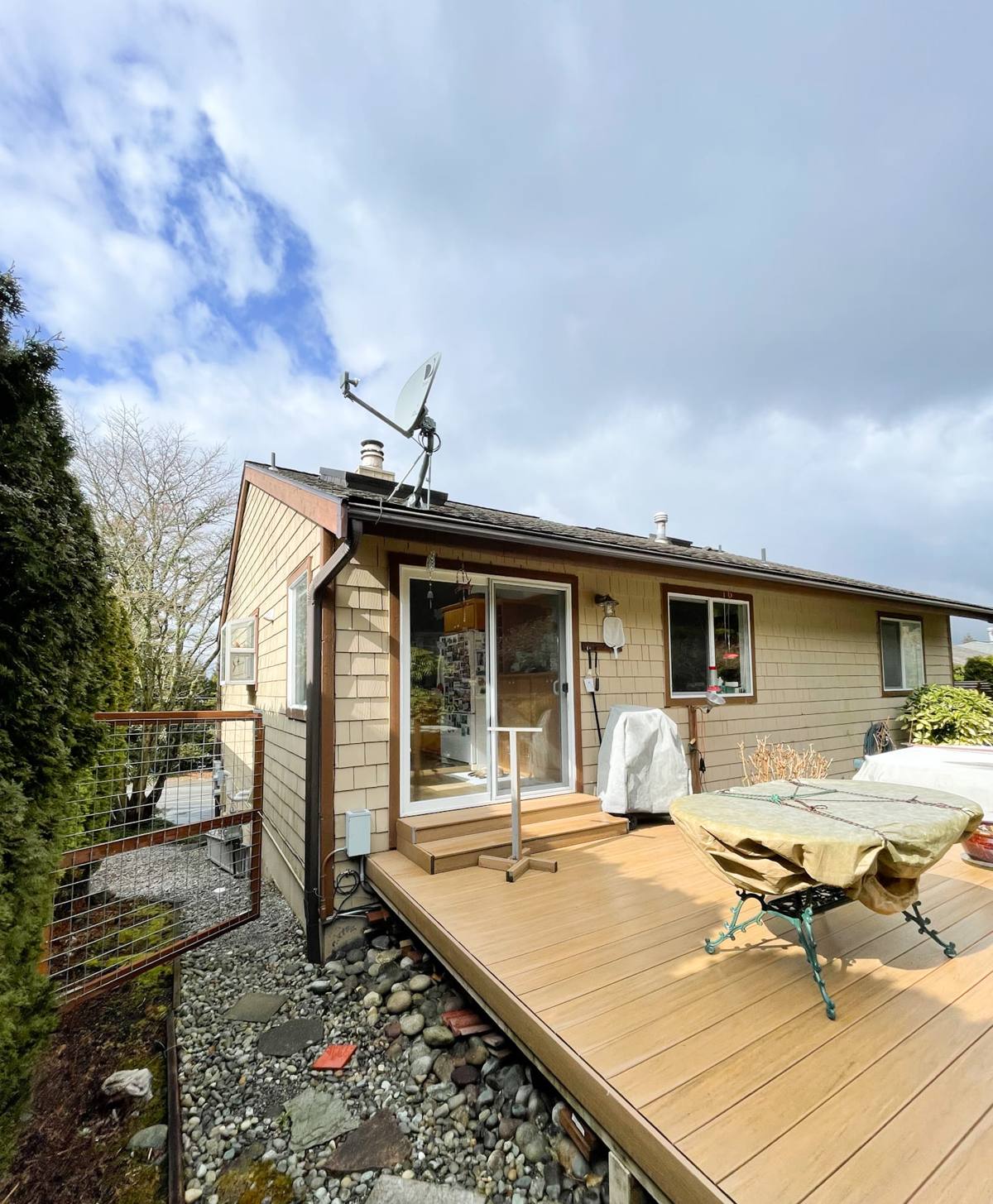
What Birchwood Homes Actually Need From New Windows
Moisture Management First
Most of the window failures we see in this part of Bellingham aren't glass failures — they're moisture failures. Water finds its way behind old trim, into unsealed corners, or through failed caulk lines, and then it sits there because the surrounding wood or siding never gets a chance to dry out between rain events. Over a few winters, that turns into soft framing, staining, and eventually rot that has nothing to do with the window unit itself and everything to do with how it was installed and flashed.
Salt Air and Hardware
Homes closer to the bay deal with a slow corrosive effect on exposed metal hardware — hinges, locks, and lower-quality cladding fasteners degrade faster here than they would inland. It's subtle, but it shows up as stiff locks, pitted finishes, and hardware that stops operating smoothly years before it should.
Moss and Organic Growth
Shaded lots, overhangs, and the persistent damp common to Whatcom County give moss, algae, and mildew a long runway. Window sills, tracks, and the bottom rails of sashes are where this shows up first, and it's often a sign that water is sitting somewhere it shouldn't be rather than draining away.
Signs a Birchwood Home Needs Window Replacement, Not Just Repair
- Visible condensation between the panes of a double-pane window — the seal has failed and the insulating gas is gone
- Soft or spongy wood at the sill or lower corners of the frame
- Windows that are difficult to open, close, or lock, especially after damp weather
- Persistent drafts you can feel near the frame even when the window is fully latched
- Visible gaps, cracked caulk, or daylight showing around the exterior trim
- Noticeable moss, black staining, or a musty smell concentrated near one or two windows
- Paint that keeps failing on the same window trim no matter how often it's redone
Any one of these on its own might just need attention. Several at once, especially clustered on a home's weather side, usually means the window and its surrounding flashing have reached the end of their useful life.
What a Correct Installation Involves
Replacing a window looks simple from the outside — old unit out, new unit in — but the parts that determine whether it lasts fifteen years or three happen where you can't see them.
Removal and Inspection
We pull the old window carefully and take a real look at the framing underneath before anything new goes in. This is where hidden rot or old, improperly lapped flashing usually turns up. It's also the point where a job either gets done right or gets covered up — we don't install a new window over framing that needs to be addressed first.
Flashing and Water Management
Every opening gets flashed so that any water that reaches the wall drains back out, not into the framing. In a climate that sees as much horizontal, wind-driven rain as this part of Washington does, flashing detail matters more here than it would in a drier region. This is the single most common point of failure we find in older installations around Birchwood.
Sealing and Insulation
Proper backer rod and sealant at the perimeter, plus correctly installed insulation in the gap between the window frame and the rough opening, stop both air infiltration and the kind of trapped moisture that leads to mold inside wall cavities.
Fit and Function Check
Before we consider a job finished, every window opens, closes, and locks the way it should, and the exterior trim is sealed and finished to shed water the way it was designed to.
Choosing Window Materials for This Environment
There's no single "best" window material — there's a best match for a given home, budget, and exposure. Here's how the common options hold up under Bellingham's coastal, wet conditions:
| Material | Moisture & Salt Air Performance | Maintenance | Typical Lifespan |
|---|---|---|---|
| Vinyl | Good — won't rot or corrode, handles damp climates well | Low | 20–30 years |
| Fiberglass | Very good — stable in temperature swings, resists moisture-driven warping | Low | 30+ years |
| Wood (clad or unclad) | Requires diligent upkeep; unclad wood is a poor match for this climate without constant maintenance | High | Varies widely with upkeep |
| Aluminum | Prone to condensation and corrosion in salt-influenced air unless thermally broken | Moderate | 20–25 years |
For most Birchwood homes, we steer clients toward vinyl or fiberglass frames specifically because they don't give salt air, humidity, or moss-friendly shade anything to work with over time. Wood windows can look great and have their place, especially on homes where matching original character matters, but we're upfront that they demand a maintenance commitment that this climate doesn't forgive if it's skipped.
Energy Performance in a Marine Climate
Whatcom County's climate isn't extreme cold, but it is persistently damp and breezy, which makes air sealing and glass performance matter more than raw insulation numbers alone. Look for:
- Low-E glass coatings tuned for a marine climate — good at moderating both winter heat loss and summer glare without overdoing solar gain control
- Argon or krypton gas fill between panes for better insulating performance
- Warm-edge spacer systems, which resist condensation better at the glass edge in humid conditions
- A frame material and installation method that together deliver a genuinely tight air seal, not just a good rating on paper
Our Process for Birchwood Window Replacement Projects
1. On-Site Assessment
We look at each window individually — condition, orientation, exposure to prevailing wind and rain, and any signs of existing moisture damage — rather than quoting a blanket price before we've actually seen the home.
2. Straightforward Recommendations
We'll tell you plainly which windows need full replacement now, which could reasonably wait, and which materials make sense for your specific exposure and budget. We're not going to upsell a full-house replacement when a handful of units are the actual problem.
3. Careful, Weather-Aware Scheduling
Openings don't stay open longer than necessary. We plan installation days around the forecast and work efficiently so your home isn't exposed to Bellingham's rain mid-project.
4. Correct Installation, Every Time
Flashing, sealing, and insulation get done to the same standard on every job, whether it's one window or twenty. This is where corners get cut industry-wide, and it's where we don't cut them.
5. Cleanup and Walkthrough
We clear debris, walk through each new window's operation with you, and make sure everything locks, seals, and functions the way it should before we consider the job done.
Why Local Experience in Birchwood Matters
A crew that already works this part of Bellingham knows what to expect before the tape measure comes out. We know which sides of a home in this neighborhood typically take the worst weather, what older flashing details tend to fail first, and how moss and shade patterns on a given lot usually affect window sills and trim over time. That's not something a crew unfamiliar with Whatcom County's coastal weather patterns picks up on the first visit — it comes from doing this work here, repeatedly, through actual wet seasons.
It also means we're accountable locally. We're not passing through — we're the crew you can call next season if something needs a look, and that shapes how carefully we do the job the first time.
Cost Factors Worth Understanding
Every home is different, but the main variables that drive window replacement cost in this area are consistent:
| Factor | Why It Matters |
|---|---|
| Frame material chosen | Vinyl, fiberglass, and wood carry different material and labor costs |
| Extent of hidden damage found | Rot or moisture damage discovered during removal adds repair scope |
| Number and size of openings | Larger or custom-sized windows cost more than standard sizes |
| Glass and performance package | Low-E coatings, gas fill, and impact considerations affect unit price |
| Access and site conditions | Second-story or hard-to-reach windows take more time and equipment |
We'd rather walk you through these factors on-site and give you real numbers for your home than quote a rough figure that doesn't hold up once we're actually looking at the openings.
If you're seeing drafts, fogged glass, sticking sashes, or trim that just won't stay painted on a Birchwood home, it's worth having someone take an honest look before it turns into a bigger repair. We offer free, no-pressure estimates — use the form below to get one scheduled.