 Bellingham Exterior
 Windows Built for Sehome's Climate, Not a Catalog Average
Sehome sits close enough to Bellingham Bay and the rest of Whatcom County's marine air that its homes take a different kind of weathering than houses further inland. Salt-laden air corrodes hardware and finishes faster than dry-climate products expect. Driving rain, pushed sideways by wind off the water, tests every seal and sill detail a window has. And the long, wet moss season here doesn't just grow on roofs — it finds a foothold in any window trim, cladding gap, or shaded corner where moisture sits instead of draining. A window that's fine in Spokane can fail early in Sehome if it wasn't chosen and installed with this climate in mind.
We work on homes in this neighborhood regularly, alongside the rest of Bellingham, so we're not guessing at what holds up here. This page covers what Sehome homes actually need from a custom window job, what correct installation involves, and how we run the process from first look to final walkthrough.
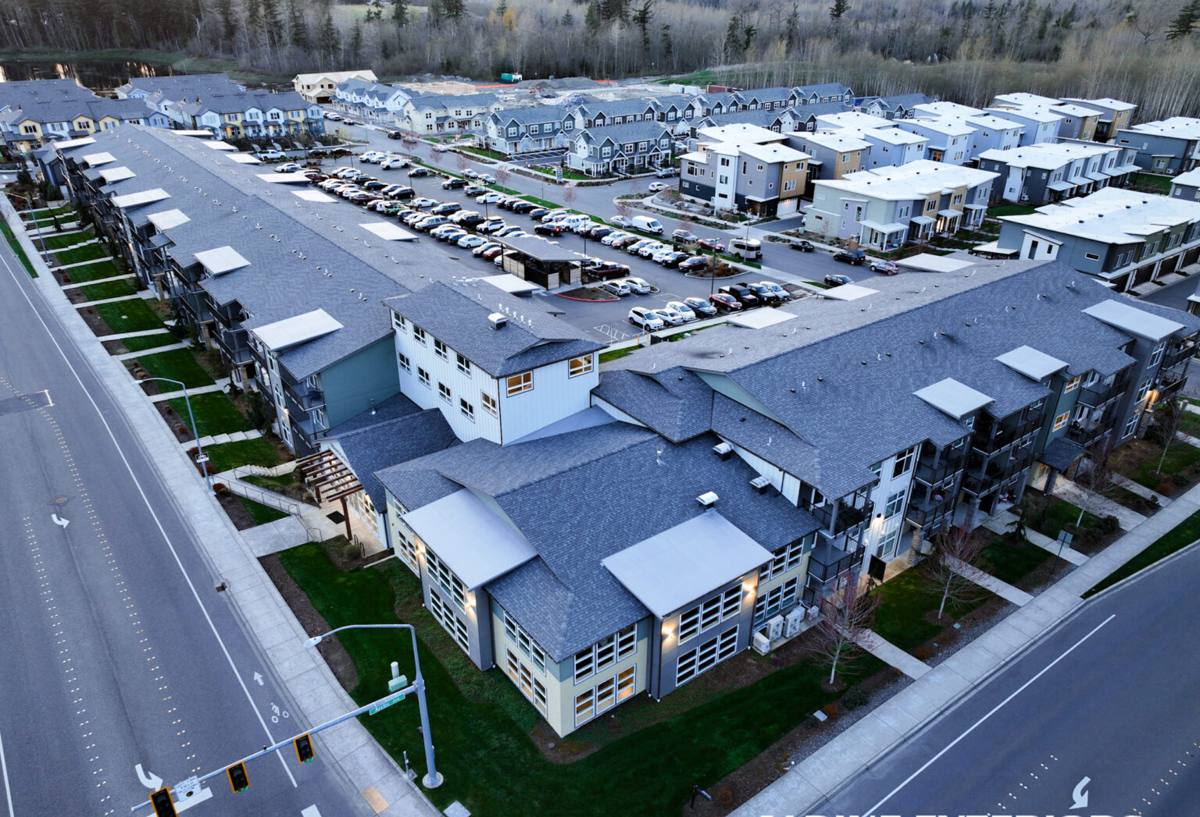
What "Custom" Actually Means for a Sehome Home
Custom windows aren't about upgrading to fancier trim. It means the window unit, its flashing details, and its installation are matched to your specific opening, wall assembly, and exposure — not pulled from a standard size chart and forced to fit.
Common Sehome Housing Stock
Sehome has a mix of older bungalows and craftsman-era homes near the core, along with mid-century and newer infill construction. Older homes often have non-standard rough openings, original wood trim worth preserving, and wall assemblies that were never built with a drainage plane in mind. Newer homes may have standard openings but still need window selection matched to which side of the house takes the weather. Either way, an off-the-shelf window forced into an opening it wasn't measured for is where leaks and drafts start.
Why Standard Sizing Falls Short Here
- Older openings are frequently out of square by enough to matter for a tight seal
- Original wood trim and siding details often need to be matched or protected, not just ripped out
- Exposure varies significantly by which direction the wall faces relative to prevailing wind and rain
- Retrofitting modern flashing into an older wall assembly takes judgment, not just a tape measure
What Correct Window Installation Involves
The window unit itself matters, but most window failures we get called out to fix in this region trace back to installation details, not product defects. A well-made window installed without proper flashing and drainage will still leak in Bellingham's rain.
The Details That Actually Prevent Leaks
- Sill pan flashing that directs any water that gets past the window back outside the wall, not into the framing
- Proper head flashing integrated with the water-resistive barrier so water sheds over the window, not behind it
- Correct shimming so the window operates smoothly without racking, which stresses seals over time
- Low-expansion foam or backer rod and sealant at the right points — not foam everywhere, which can bow frames
- Weep holes and drainage paths left clear, not caulked shut by mistake
- Exterior sealant joints sized and tooled correctly, since a bead that's too thin or skipped in one spot is enough to let water in
Why This Matters More in a Moss-Prone Climate
When water gets trapped instead of draining, it doesn't just cause rot — it creates the damp, shaded microclimate that moss, algae, and mildew thrive in around window trim and cladding. Correct flashing and drainage aren't just about the window itself; they keep the surrounding wall assembly dry enough that moss doesn't get a foothold in the first place.
Choosing Window Materials and Glass for This Neighborhood
There's no single "best" window material — the right choice depends on your home's exposure, your maintenance preferences, and your budget. We walk Sehome homeowners through the honest trade-offs rather than pushing one product line.
| Factor | What to Consider in Sehome's Climate |
|---|---|
| Frame material | Vinyl and fiberglass resist salt-air corrosion better than bare aluminum hardware; wood offers classic looks but needs more upkeep near the coast |
| Glass package | Double-pane with low-E coating is standard here; homes facing prevailing wind and rain benefit from higher-performance glass packages |
| Hardware finish | Marine-grade or corrosion-resistant hardware matters more here than in drier inland areas |
| Exterior cladding match | Older homes often need trim details matched to preserve character; newer homes have more flexibility |
| Drainage design | Look for units with clear, functional weep systems — this matters as much as the glass rating |
We don't install every product on the market. When we steer a homeowner away from a particular option, it's because our own installation standards and warranty commitments depend on materials we can back with confidence — not because a product is inherently bad. We're happy to walk through the reasoning on any specific brand or line.
Our Process for a Sehome Window Job
1. On-Site Assessment
We look at each opening individually — not just measuring for size, but checking the wall assembly, existing flashing (or lack of it), signs of past moisture intrusion, and which walls take the worst weather exposure.
2. Honest Scope and Options
You get a clear picture of what each window opening actually needs, which openings can use a simpler approach, and which need more involved flashing work because of prior damage or original construction shortcuts.
3. Careful Removal
Especially in older Sehome homes, we remove existing windows and trim carefully to check the condition of the framing underneath before anything new goes in. Hidden rot or old, failed flashing gets addressed before the new window goes in — not covered over.
4. Correct Flashing and Installation
Sill pans, house wrap integration, head flashing, and sealant details are done to current best practice, matched to your specific wall type — whether that's original wood siding, newer fiber cement, or something in between.
5. Finish and Walkthrough
Interior and exterior trim is finished to match the surrounding home as closely as practical, and we walk you through operation, care, and what to watch for before we consider the job done.
Maintenance in a Salt-Air, Moss-Season Climate
Even a correctly installed window needs some seasonal attention in this environment. A short annual routine keeps small issues from becoming replacement-level problems.
- Rinse salt residue off frames and hardware near the coast a couple times a year
- Check and clear weep holes so drainage paths stay open, especially after moss or debris buildup
- Inspect exterior caulking annually for cracking or gaps, particularly after a hard winter
- Keep gutters and downspouts clear so runoff isn't dumping extra water onto window heads
- Watch for soft spots in exterior trim, which can signal moisture getting past a seal
- Operate hardware periodically through the wet months so mechanisms don't seize
Cost Factors for Sehome Homeowners
Window replacement pricing varies widely based on factors specific to your home, and we'd rather explain what drives cost than quote a number that doesn't hold up once we're on site.
| Cost Factor | Why It Matters |
|---|---|
| Number and size of openings | More straightforward with economies of scale on labor and materials |
| Condition of existing framing | Hidden rot or old damage found during removal adds repair scope |
| Frame material and glass package | Higher-performance glass and corrosion-resistant hardware cost more upfront but reduce maintenance |
| Trim and cladding complexity | Matching original wood trim on older homes takes more labor than standard trim replacement |
| Access and exposure | Second-story or hard-to-access openings on exposed walls take more time to flash correctly |
General ranges exist, but the honest answer for any specific home comes from an on-site look — that's what the estimate is for.
Why a Crew That Already Works Sehome Matters
A contractor unfamiliar with this area might not know to check for the drainage issues common in older Sehome wall assemblies, or might not think twice about hardware that'll corrode faster this close to the bay. We work throughout Bellingham and Whatcom County, which means we've seen how this specific mix of salt air, wind-driven rain, and prolonged wet seasons plays out on real homes over years — not just at the moment of installation. That local track record shapes how we flash, what materials we recommend, and what we flag before it becomes a bigger repair.
If you're weighing window replacement for a Sehome home, we're glad to take a look and give you a straightforward assessment — no pressure, no upsell. Use the form below to request a free estimate.