 Bellingham Exterior
 Building Decks for Birchwood's Climate, Not a Catalog Photo
Birchwood homes deal with a specific combination of weather that a lot of decking material and hardware simply wasn't designed for. Bellingham sits close enough to the water that salt-laden air reaches inland neighborhoods on prevailing winds, and that air is hard on fasteners, connectors, and any metal left exposed. Add in driving, wind-blown rain that gets up under railings and around ledger boards, plus a moss and algae season that can run from early fall through late spring, and you have a climate that punishes decks built to a generic national spec instead of a Whatcom County one.
A deck built for Birchwood needs to shed water fast, dry out between storms, resist corrosion at every connection point, and stay walkable when it's damp and shaded — which, for a good part of the year, is most of the time. That's the standard we build to.
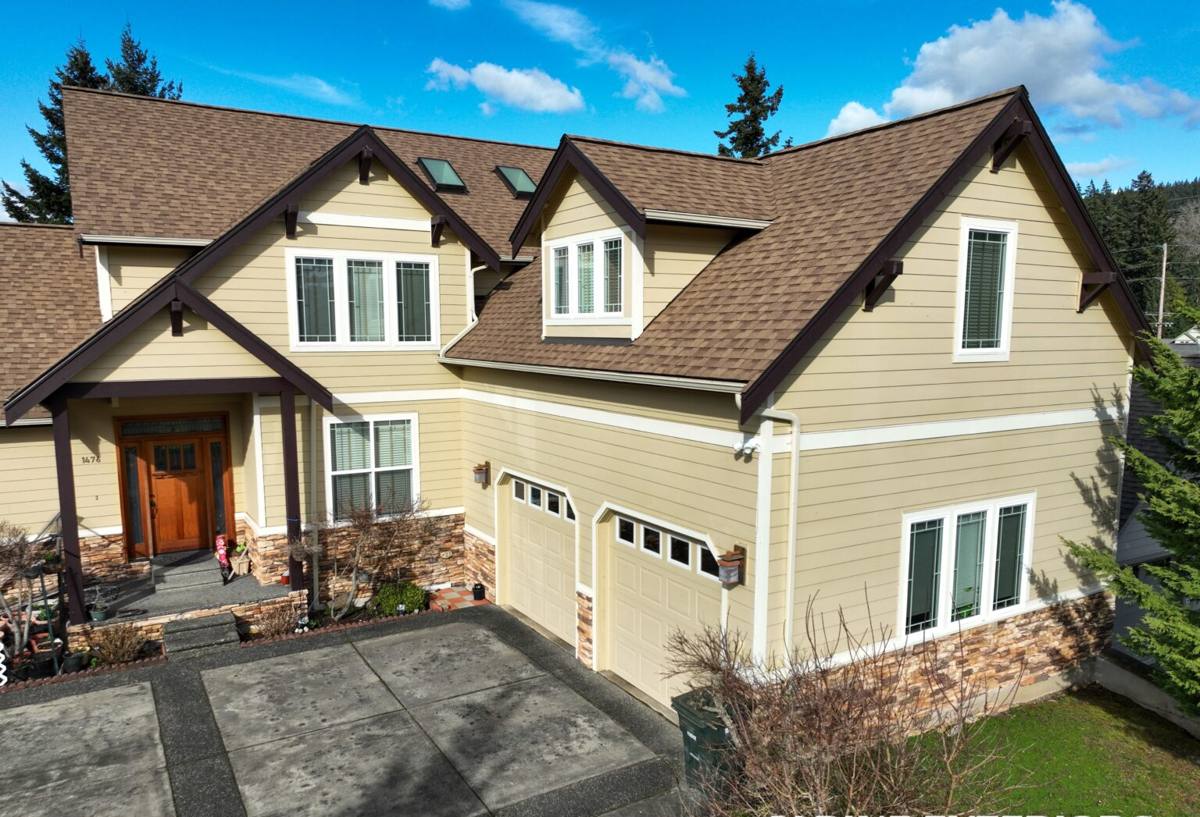
What Salt Air, Rain, and Moss Actually Do to a Deck
None of these factors destroy a deck on their own. It's the combination, over years, that causes problems most homeowners don't see coming until a board is soft or a railing post wobbles.
Salt-influenced air and corrosion
Standard zinc-coated screws and joist hangers can start corroding faster in coastal-influenced air than they would further inland. Corrosion doesn't just stain — it weakens the fastener itself, and a corroded connector is a structural problem, not a cosmetic one.
Driving rain and hidden moisture
Wind-driven rain in this region doesn't fall straight down. It gets pushed sideways into railing posts, under poorly flashed ledger boards, and into end grain that isn't sealed. Once moisture gets trapped behind a board or inside a post base, it stays there far longer than surface rain would suggest, because our air stays humid and cool for long stretches.
Moss, algae, and a long shaded season
Moss needs shade, moisture, and time — and Birchwood's tree cover and long overcast stretches supply all three. Moss holds water against decking material, and on wood it accelerates rot; on any surface, it turns a deck slick and dangerous well before it looks obviously bad.
Choosing Decking Material That Fits This Property
There isn't one "best" decking material — there's a best material for a given budget, sun exposure, and maintenance appetite. Here's how the common options actually perform in a Bellingham-area yard.
| Material | How it handles our climate | Maintenance | Typical lifespan |
|---|---|---|---|
| Pressure-treated wood | Affordable and strong, but end grain and fastener holes need sealing or moss takes hold in shaded areas | Annual cleaning, periodic sealing/staining | 15-20 years with upkeep |
| Cedar | Naturally rot-resistant and handles moisture well, but softer surface can hold moss if not cleaned | Cleaning plus staining or oiling every 1-2 years | 20-25 years with upkeep |
| Composite decking | Doesn't rot, but can still grow surface algae/moss in deep shade — needs occasional washing | Periodic washing, no staining/sealing | 25-30+ years |
| PVC/capped composite | Best moisture resistance of the group, sheds water and resists staining | Occasional washing | 25-30+ years |
For a shaded, moisture-prone Birchwood lot, we're generally steering clients away from uncapped composite or bare cedar in deep-shade zones, simply because moss maintenance becomes a bigger job than the homeowner expects. That's a maintenance-burden conversation, not a knock on any manufacturer — every material on this list can work well when it's matched to the right spot on the property and detailed correctly.
What's Underneath Matters More Than the Boards on Top
Most deck failures we get called out for aren't decking-surface problems — they're framing and connection problems that show up years after installation.
Footings and post bases
Footings need to sit below frost depth and be sized for our soil conditions, and post bases should hold the post above the deck surface so it never sits in standing water. A post buried in concrete or sitting flush with grade is one of the fastest ways to rot a structural member from the inside out.
Ledger board flashing
Where the deck attaches to the house is the single most common source of hidden water damage. Proper flashing — installed in the correct layered order with the house's existing water barrier — keeps driving rain from working its way behind the ledger and into the rim joist or wall framing.
Hardware grade
We use corrosion-resistant, coated structural screws and connectors rated for outdoor and ground-contact use, matched to whatever decking and framing material is going on top. Mixing incompatible metals at a connection point can accelerate corrosion in exactly the humid, salt-influenced air this area has.
Drainage, Slope, and Airflow — the Details That Prevent Callbacks
A deck that looks finished on installation day can still trap water for years if these details are skipped:
- A slight slope away from the house so water runs off instead of pooling near the ledger
- Consistent gapping between boards so water drains through instead of sitting on the surface
- Open or vented skirting so air can circulate underneath and the framing can dry out after rain
- Clear space between low-growing plants and the deck's edge so shade and moisture don't concentrate against the structure
- Gutters or drip edges positioned so roof runoff isn't dumping directly onto the deck surface
None of these are visible in a finished photo, and none of them are optional if you want the deck to still look and perform well in ten years.
Our Deck Building Process for Birchwood Homes
- On-site assessment — we look at sun exposure, shade patterns, slope, and how the house's existing drainage and siding will interact with a new deck.
- Material and layout recommendation — based on the shade/moisture profile of the specific spot, not a generic recommendation.
- Permitting — we handle the permit application and inspections required for the jurisdiction the property falls under.
- Framing and structural work — footings, posts, ledger flashing, and joists built to hold up under our rain load and soil conditions.
- Decking, railing, and finish work — installed with proper gapping, fastening, and edge detailing.
- Final walk-through — we go over maintenance expectations specific to the material chosen, so there are no surprises in year three or five.
Permits and Local Code Considerations
Deck projects in and around Bellingham typically require a permit once the structure exceeds certain height or size thresholds, and inspections are usually required at the footing and framing stages before decking goes down. Whether a specific Birchwood property falls under City of Bellingham jurisdiction or unincorporated Whatcom County jurisdiction affects which permit process applies, and we confirm that before submitting anything. Skipping this step is a common shortcut that causes real problems at resale, when an unpermitted structure can hold up a sale or trigger a retroactive inspection.
A Simple Maintenance Checklist Once Your Deck Is Built
- Sweep leaves and debris off the surface regularly, especially in shaded corners, so moss doesn't get a foothold
- Clean the deck surface at least once a year with a deck-safe cleaner, not just a pressure washer on high setting
- Check fastener heads and railing connections annually for corrosion or looseness
- Keep gutters clear so roof runoff isn't discharging onto or near the deck
- Reapply sealant or stain on wood decking on the schedule your material calls for — don't wait until it looks dry and gray
- Look underneath the deck once a year for standing water, blocked airflow, or soft framing
Why a Crew That Already Works Birchwood Makes a Difference
A contractor who's already built and repaired decks throughout Bellingham and Whatcom County isn't guessing at how a given material or fastener will hold up here — they've seen it firsthand, in this rainfall pattern and this shade cover. That shows up in small decisions: which direction a deck gets sloped, how much clearance is left under skirting, which hardware gets specified for a shaded, moisture-heavy lot versus a sunnier one. Those decisions are hard to get right from a general contractor's playbook built for a drier climate.
It also matters for permitting and inspection timing — knowing what the local building department expects at each stage keeps a project moving instead of stalling on a failed inspection.
Let's Look at Your Space
Every Birchwood property handles shade, drainage, and sun exposure a little differently, and the right deck plan follows from those specifics rather than a one-size-fits-all layout. If you're planning a new deck or replacing one that's showing its age, we're happy to walk the site, talk through material options honestly, and put together a straightforward estimate — no pressure, no obligation. The form below is the easiest way to get started.