 Bellingham Exterior
 Roofing Built for the Puget Neighborhood
Homes in the Puget area of Bellingham sit close enough to the water that the roof over your head is doing a different job than a roof forty miles inland. Salt-laden air, wind-driven rain off the Sound, and long stretches of gray, damp weather each fall and winter put steady pressure on roofing materials. A roof replacement here isn't just about swapping old shingles for new ones — it's about choosing materials and installation details that hold up to this specific mix of conditions, year after year.
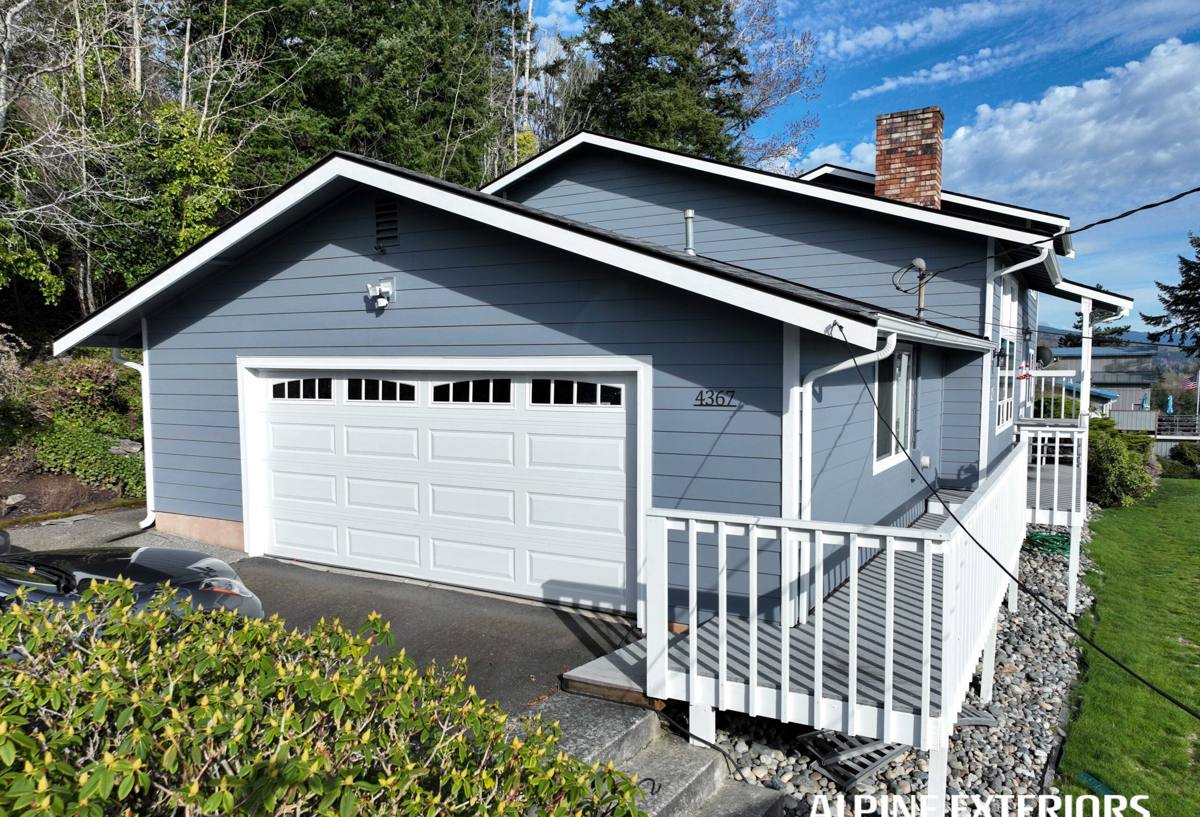
We work Whatcom County roofs regularly, and the Puget neighborhood has its own personality: mature tree cover in some pockets, more open exposure to wind in others, and homes ranging from older builds with original roof decking to newer construction. A roof replacement plan that works for one house on a shaded lot may be wrong for the house two streets over with full southern exposure to the weather coming off the water. That's why we look at your specific lot, tree cover, and roof orientation before recommending anything.
What Bellingham's Climate Actually Does to a Roof
Salt Air and Corrosion
Proximity to Bellingham Bay means airborne salt settles on exposed metal — flashing, fasteners, vent caps, gutter hardware. Standard fasteners and lower-grade flashing corrode faster near the water than they would on an inland roof. Over years, corroded flashing is one of the more common hidden causes of leaks we find on older roofs in this area, usually well before the shingles themselves have failed.
Driving Rain and Wind-Driven Moisture
Whatcom County doesn't just get rain — it gets rain pushed sideways by wind coming off the water. That matters because wind-driven rain can work its way up under shingles and around penetrations (vent pipes, chimneys, skylights) in ways that straight-down rain never would. Underlayment quality and how flashing is detailed at every penetration matter more here than in drier climates.
Moss and Prolonged Dampness
Bellingham's moss season runs long — shaded, north-facing slopes and roofs under tree cover can stay damp for months at a stretch. Moss isn't just cosmetic. As it establishes, it lifts shingle edges, holds moisture against the roofing material, and accelerates granule loss on asphalt shingles. Left unmanaged for years, moss growth shortens the usable life of a roof regardless of the material's rated lifespan.
Signs a Puget-Area Roof Needs Replacing, Not Patching
- Granules collecting in gutters or at downspout outlets, especially after wind or heavy rain
- Shingles that are cupping, curling at the edges, or visibly thinning in spots
- Moss or dark streaking covering more than isolated patches, particularly on shaded slopes
- Flashing around chimneys, vents, or skylights that looks rusted, lifted, or loosely sealed
- Daylight visible through the attic roof deck, or damp insulation near penetrations
- A roof approaching or past 20-25 years old (asphalt) with repeated repair calls in recent years
- Sagging areas in the roofline, which can signal deck-level moisture damage, not just surface wear
One or two of these on their own might mean a targeted repair is enough. Several together, especially on a roof already in its second decade, usually mean repair costs start to catch up with replacement costs — at which point replacement is the more honest recommendation.
What a Correct Roof Replacement Involves Here
Full Tear-Off, Not Overlay
We remove existing roofing down to the deck rather than layering new shingles over old. Overlaying traps moisture, hides deck damage, and voids most manufacturer warranties. It's a shortcut we don't take, because a roof this exposed to Puget Sound weather needs a sound, inspected deck underneath it — not a guess.
Deck Inspection and Repair
With the old roofing off, we inspect the sheathing for rot, soft spots, or water staining — common where old flashing has failed slowly over years. Any damaged decking gets replaced before new roofing goes down. Skipping this step is one of the most common ways cheaper roof jobs fail early.
Underlayment Suited to Wet Climates
Given the volume of driving rain in this area, we use underlayment systems built for high-moisture climates, with extra attention — and often self-adhered membrane — at eaves, valleys, and any area prone to ice or wind-driven water intrusion.
Flashing and Fastener Upgrades
Because salt air accelerates corrosion, we favor corrosion-resistant flashing and fastener specifications at chimneys, vents, skylights, and roof-to-wall transitions rather than the minimum the code allows. This is a maintenance-and-longevity call on our part, not a knock on any manufacturer — it's simply the right spec for a house that sits this close to salt water.
Ventilation That Matches the Attic
Proper intake and exhaust ventilation keeps attic moisture from condensing under the deck during Bellingham's long damp stretches. We check existing ventilation as part of the replacement and correct it where it's undersized or blocked — a poorly vented attic can shorten the life of even a well-installed new roof.
Choosing Materials for Salt Air and Moss Exposure
There's no single "best" roofing material for every Puget-area home — the right choice depends on your roof's slope, tree cover, and how long you plan to stay in the house. Here's how the common options generally compare for this specific climate:
| Material | Moss/Moisture Behavior | Salt Air Considerations | Typical Lifespan |
|---|---|---|---|
| Architectural asphalt shingles | Good with proper ventilation; needs periodic moss treatment on shaded slopes | Standard fasteners should be corrosion-resistant near the water | 25-30 years |
| Standing seam metal | Sheds moisture and moss very well due to smooth, steep-pitch-friendly surface | Requires marine-grade coatings/fasteners to resist salt corrosion long-term | 40-50+ years |
| Synthetic/composite shingles | Resists moisture absorption; still benefits from moss upkeep in shaded areas | Less metal exposure means fewer corrosion concerns overall | 30-50 years |
| Wood shake (traditional) | Higher maintenance burden in prolonged damp conditions; more prone to moss and rot without diligent upkeep | Fasteners still need corrosion resistance | 20-30 years with upkeep |
We'll walk through these trade-offs with you directly rather than pushing one material — appearance, budget, and how much maintenance you want to take on all factor into the right answer for your house.
Our Process for a Puget-Area Roof Replacement
- On-site inspection: We walk the roof and attic, check for moss coverage, flashing condition, deck soundness, and ventilation before quoting anything.
- Written estimate: A clear scope of work and material options, with pricing broken out so you know what you're paying for and why.
- Scheduling around weather: Bellingham's rain patterns mean we plan tear-off and dry-in carefully so your home isn't left exposed during a wet stretch.
- Tear-off and deck inspection: Old roofing removed, deck inspected, and any needed repairs handled before new materials go down.
- Installation: Underlayment, flashing, and roofing installed to manufacturer specification, with the corrosion and moisture details this climate calls for.
- Final walkthrough: We review the finished roof with you, including gutters, ventilation, and any moss-prevention recommendations going forward.
Why a Crew That Already Works Puget Matters
A roofing crew that regularly works Bellingham and the Puget neighborhood already knows which slopes hold moss longest, which streets catch the most wind off the water, and which older homes in the area tend to have deck or flashing issues under their existing roofing. That local pattern recognition shortens the inspection process and helps us flag problems before they become surprises mid-project.
It also means we're not guessing at permitting or code requirements for Whatcom County — we handle that as a matter of course, not as something we're learning on your job. And because we're local, warranty and workmanship follow-up isn't a phone call to some other region; it's a crew that's still working the same neighborhood next season.
Maintaining Your New Roof in a Moss-Prone Climate
- Schedule a gutter cleaning at least twice a year — clogged gutters back water up under shingle edges
- Have moss growth treated early on shaded or north-facing slopes, before it establishes and lifts shingles
- Trim back overhanging branches where possible to reduce shade, debris, and moss-friendly conditions
- Check flashing and sealant at penetrations every year or two, especially after major windstorms
- Address small leaks immediately — in this climate, a slow leak can sit unnoticed under insulation for a season
A well-installed roof handles Bellingham's climate on its own for most of its life, but a little seasonal attention — especially around moss and gutters — keeps small issues from becoming full repairs.
Get a Straight Answer on Your Puget-Area Roof
If you're not sure whether your roof needs a full replacement or just targeted repair, we're happy to take a look and give you an honest answer either way. Reach out for a free, no-pressure estimate using the form below, and we'll walk your roof with the local climate — and your specific home — in mind.