 Bellingham Exterior
 Decks Take a Different Kind of Beating in South Hill
South Hill sits above the rest of Bellingham, which gives homes here some of the best views in the city — and some of the toughest conditions for an outdoor structure. The elevation catches wind and driving rain off Bellingham Bay, the tree canopy that makes the neighborhood so pleasant also keeps decks shaded and damp for long stretches of the year, and Whatcom County's mild, wet winters mean moss and mildew get a running start almost every season. A deck built to a generic spec sheet, without accounting for any of that, tends to show its age fast: soft boards, black streaking, slippery surfaces, and hardware that rusts years before it should.
Building a deck that actually holds up here isn't about buying the most expensive materials available. It's about matching the material, the framing details, and the drainage plan to what South Hill's climate does to wood and fasteners year after year. That's the difference between a deck that needs real attention every few years and one that just needs a rinse and an occasional check.
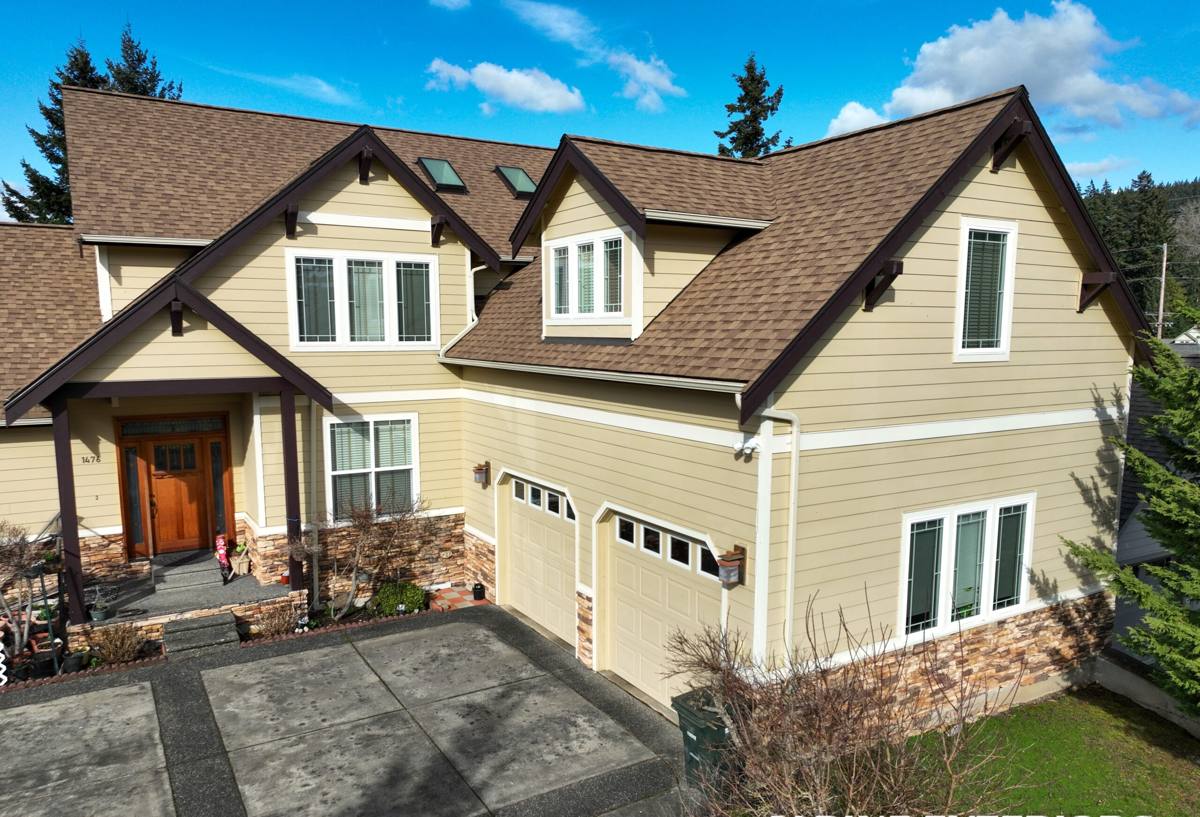
What South Hill's Terrain and Tree Cover Mean for Your Deck
Sloped Lots and Where the Water Goes
Many South Hill properties sit on sloped ground, which changes how a deck needs to be framed and supported compared to a flat-lot build. Footing depth, post height, and how the structure ties back to the house all have to account for grade change, and drainage below the deck matters more than it would on level ground — water that isn't directed away from the foundation or a downhill neighbor's yard becomes a problem for everyone involved.
Shade, Moisture, and Mature Trees
Mature evergreen cover is part of what makes South Hill's older housing stock so attractive, but it also means many decks here get partial or heavy shade most of the day. Shaded wood dries slower after rain, holds moisture longer, and grows moss and algae faster than a deck in full sun. That doesn't mean you can't build a great deck under trees — it means the design has to plan for airflow and drainage from day one instead of trying to fix it after the fact.
Picking a Decking Material That Actually Holds Up Here
There's no single "best" decking material for every home — the right choice depends on your budget, how much upkeep you're willing to do, and how much shade and moisture the deck will sit in. Here's how the common options actually perform under Whatcom County conditions:
| Material | Moisture & Moss Resistance | Maintenance | Typical Lifespan |
|---|---|---|---|
| Pressure-treated lumber | Fair — needs sealing to stay ahead of moss and rot | Annual cleaning, resealing every 1-2 years | 10-15 years with upkeep |
| Cedar | Good natural rot resistance, but surface still grows moss in shade | Regular cleaning, periodic oil or stain | 15-20 years with upkeep |
| Composite / capped composite | Very good — doesn't absorb water or rot, though moss can still grow on the surface | Periodic washing, no sealing or staining | 25-30+ years |
Composite has become the common choice for homeowners who don't want a recurring sealing schedule, especially on shaded South Hill lots where wood stays damp longer. We still install cedar and pressure-treated decking when that's the right fit for a home's style or budget — the key is being upfront about the maintenance each option actually requires here, not just what the brochure says.
Framing and Structural Work Most Homeowners Never See
The decking boards are what you notice, but the framing underneath is what determines whether the deck is still safe and level in fifteen years. This is where a lot of corner-cutting happens on lower-bid jobs, and it's usually invisible until something fails.
Footings Below the Frost Line
Post footings need to be set below the local frost depth and bear on solid, undisturbed soil — not backfill. On sloped South Hill lots this sometimes means deeper or stepped footings to keep the structure level and properly supported across the grade change.
Ledger Board Flashing
Where a deck attaches to the house, the ledger board is one of the most common failure points in the Pacific Northwest, because water works its way behind an unflashed or poorly flashed ledger and rots the house's rim joist from the inside. Proper flashing — installed in the correct order with the house's existing water-resistive barrier — is not optional in a climate that sees this much driving rain.
Joist Spacing and Hardware
Joist spacing needs to match the decking material's span rating, and all structural hardware — joist hangers, post bases, ledger bolts — should be rated for exterior, ground-contact, or coastal exposure use. Standard interior-grade fasteners corrode quickly in salt-tinged coastal air, and once a hanger starts rusting, it's compromising the connection it's supposed to protect.
Moss Season Is a Design Problem, Not Just a Cleaning Problem
Whatcom County's moss season can run from fall through spring, and shaded South Hill decks are exactly the kind of surface moss favors — cool, damp, and out of direct sun for much of the day. Homeowners often treat this as a maintenance issue to be power-washed away each spring, but a lot of it can be designed out from the start:
- Proper gap spacing between boards so water drains through instead of pooling on the surface
- Adequate clearance and airflow underneath the deck, not just at the perimeter
- Decking profiles and grooved or grip-surface boards chosen with slip resistance in mind, since moss-slicked wood is a real fall hazard
- Keeping overhanging branches trimmed back where it's practical, to let more light and air reach the surface
Even with good design, plan on cleaning the deck at least once or twice a year. That's normal here — the goal isn't to eliminate maintenance, it's to make sure the deck's structure and finish aren't degrading between cleanings.
Permits and Code Requirements for a South Hill Deck
Most new decks and significant deck rebuilds in Bellingham require a building permit, and the review typically covers footing depth, structural connections, and guardrail and stair requirements for any deck above a certain height off grade. Setback requirements from property lines can also come into play, which matters on some of South Hill's narrower or irregularly shaped lots. We handle the permit application and inspection scheduling as part of the job, so you're not the one tracking down requirements or waiting on hold with the county.
How We Build a Deck for South Hill
Our process is the same whether it's a first deck or a full replacement, and it's built around catching problems before they're expensive to fix:
- Site visit and assessment — we look at grade, drainage, sun exposure, tree cover, and the condition of anything we're replacing.
- Design and material selection — sized and specified to the site conditions, not a one-size-fits-all template.
- Permitting — we prepare and submit what the city or county requires and schedule inspections.
- Removal of the old structure, if applicable, with a check of the ledger and rim joist for hidden rot before framing begins.
- Footings and framing — set to depth, flashed correctly at the house, and fastened with exterior-rated hardware throughout.
- Decking, railings, and stairs — installed with the spacing and fastening the manufacturer specifies, not shortcuts that void a warranty.
- Final walk-through — we go over care and cleaning specific to the material you chose, so you know what upkeep to expect.
Signs Your Current Deck Is Losing the Battle
If you're not sure whether a deck needs repair or full replacement, these are the signs worth taking seriously:
- Boards that feel spongy, soft, or spring back slowly when you step on them
- Persistent moss or black staining that comes right back within weeks of cleaning
- Gaps, staining, or soft wood where the deck meets the house at the ledger board
- Rust streaks running down from screws, bolts, or joist hangers
- Railings or stair stringers that flex or feel loose when leaned on
- Standing water that doesn't drain within an hour or two after rain
Any one of these on its own might just need a repair. Several together, especially soft framing or a compromised ledger connection, usually means it's time to talk about a rebuild before the structure becomes a safety issue.
Why Hire a Crew That Already Works in South Hill
A deck builder who already works this neighborhood knows the terrain — the sloped lots, the tree cover, the exposure to weather coming off the bay — before they ever set foot on your property. That means fewer surprises during framing, fewer change orders mid-project, and a design that accounts for South Hill's specific combination of shade, rain, and moss from the first sketch instead of after the first bad winter. It also means we're a known quantity locally: familiar with Bellingham's permitting process, realistic about what maintenance a Whatcom County deck actually needs, and around to stand behind the work after the crew packs up.
If you're planning a new deck or replacing one that's past its prime, we're happy to take a look and talk through what makes sense for your property. There's no pressure and no obligation — just a straightforward estimate based on what your site actually needs. Fill out the form below to get started.