 Bellingham Exterior
 Windows Built for Birch Bay's Waterfront Exposure
Birch Bay sits right on the water, and that changes what a window has to survive. Homes a few blocks inland in Bellingham deal with a normal wet Pacific Northwest winter. Homes in Birch Bay deal with that same winter plus salt-laden air blowing straight off the bay, wind-driven rain that hits window walls at an angle instead of falling straight down, and a moss and algae season that runs long because everything stays damp so much of the year. Standard window installation practices, the kind that work fine in a drier inland neighborhood, leave gaps that this environment finds and exploits.
We install and replace custom windows for homes throughout Whatcom County, and Birch Bay is one of the areas where we see the clearest difference between a window installed correctly for coastal exposure and one that was installed to a generic standard. It shows up in hardware that corrodes early, seals that fail years ahead of schedule, and frames that take on moisture from the outside in, not the inside out.
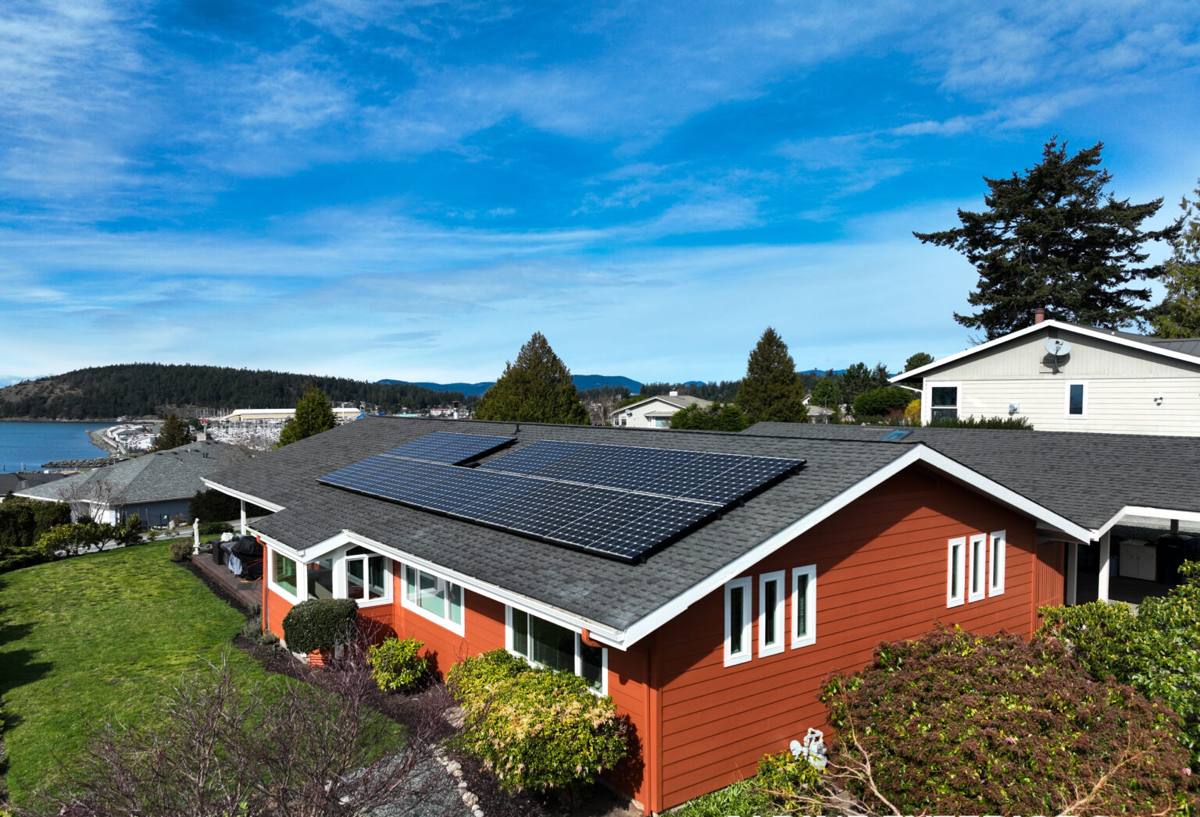
What Salt Air and Driving Rain Actually Do to Windows
Salt Air and Hardware
Salt in the air settles on everything, including window hardware. Cheaper hinges, cranks, and locking mechanisms — especially anything with exposed steel or lower-grade aluminum — corrode faster near the water than they would even a mile or two inland. Once hardware starts to pit or seize, a window stops locking flush, and that small gap becomes an entry point for both air and moisture.
Wind-Driven Rain and Water Intrusion
Rain that comes in sideways behaves differently than rain that falls straight down. It pushes against the top and side flashing, finds any gap in the housewrap-to-window seal, and drives water up and under trim that would stay dry in a calmer setting. Most water damage we find around older windows in Birch Bay isn't from a bad window unit — it's from flashing and sealant that was never detailed for wind-driven rain in the first place.
Moss, Algae, and Prolonged Dampness
Whatcom County's wet season is long anywhere, but waterfront exposure keeps surfaces damp even longer between drying periods. Moss and algae take hold on horizontal ledges, sills, and anywhere water sits instead of shedding. On wood-framed or wood-clad windows, that constant dampness is what eventually breaks down finish and, if it's not maintained, the wood underneath.
Signs a Birch Bay Home's Windows Are Losing the Fight
- Fogging or a cloudy haze between panes — the seal on the insulated glass unit has failed
- Cranks, locks, or hinges that feel gritty, stiff, or don't lock flush anymore
- Visible pitting or white corrosion on aluminum or steel hardware
- Soft or discolored trim and sill areas, especially on the side of the house that faces the water
- Drafts you can feel with a hand near the frame on a windy day
- Paint or finish that's bubbling, peeling, or gone chalky faster than it should
- Moss or dark streaking building up on sills or lower sashes between cleanings
Any one of these on its own might just mean a window needs maintenance. Several together, especially on a wall that takes the brunt of the weather off the bay, usually means the windows are due for replacement rather than another repair.
What a Correct Custom Window Job Involves Here
"Custom" doesn't just mean the glass is sized to fit an odd opening, though that's often part of it in older Birch Bay homes with settled framing or non-standard rough openings. It means the whole assembly — frame material, glazing, flashing, and installation sequence — is chosen and detailed for the specific exposure that window will face.
Frame Material
Not every frame material holds up the same way to salt air and constant moisture cycling. This is a case-by-case decision based on the home's exposure, its architectural style, and the owner's maintenance appetite — not a one-size answer.
| Frame Material | Coastal Exposure Behavior | Maintenance |
|---|---|---|
| Vinyl | Doesn't corrode or rot; performs consistently in salt air and moisture | Low — occasional cleaning |
| Fiberglass | Very stable dimensionally, strong resistance to moisture and UV | Low — occasional cleaning |
| Wood-clad | Good appearance, but exterior cladding and any exposed wood need attention where finish or seals wear | Moderate — periodic inspection and finish upkeep |
| Aluminum (uncoated or lower-grade) | Prone to pitting and corrosion in direct salt exposure over time | Higher — hardware and finish need regular checks |
We're honest with homeowners about this table. Wood-clad windows can look great and perform well on a waterfront home, but that's a trade-off decision the homeowner should make with full information, not something we gloss over to close a sale. Same with aluminum — it has its place, but it's not our default recommendation for a home taking direct salt spray.
Glazing and Seals
Double-pane, low-E insulated glass units are standard for this climate, and the seal quality on those units matters more here than in a drier region because the units cycle through more moisture exposure over their life. We also pay attention to weatherstripping material — some compression seals hold up to salt-air cycling better than others over the long run.
Flashing and the Water-Management Detail
This is the part that gets skipped most often on rushed installs, and it's the part that matters most for a wind-driven-rain environment. Proper flashing means water that reaches the window opening is directed back out and away from the wall assembly, not trapped behind trim where it can sit against sheathing. Head flashing, sill pans, and a correctly lapped house-wrap integration are non-negotiable details on any window we install near the water.
Our Process for a Birch Bay Window Job
- On-site assessment. We look at existing window condition, framing, and — critically — which walls take the most direct wind and rain exposure, since that affects material and detailing recommendations.
- Measurement and custom sizing. Many Birch Bay homes have openings that have shifted slightly with age or were never perfectly standard to begin with. We measure for the actual opening, not a catalog size.
- Material and glazing selection. Based on the exposure assessment, we walk through frame material, glazing, and hardware options with the homeowner, including the honest trade-offs from the table above.
- Removal and opening prep. Old flashing and sealant get removed, not just covered over, and we inspect the sheathing and framing underneath for any moisture damage before a new window goes in.
- Installation with coastal-grade flashing detail. Sill pan, head flashing, and house-wrap integration are done to shed wind-driven rain, not just block it.
- Sealing and finish work. Interior and exterior trim, caulking, and finish are completed with attention to the joints most likely to take on water over time.
- Final walkthrough. We check operation, locking, and seal on every window before calling the job done.
Choosing the Right Windows for a Waterfront Property
Every Birch Bay home is a little different depending on how directly it faces the water, how much tree cover or wind break it has, and its age and construction. A few questions worth working through with whoever you hire:
- Which walls of the house take direct wind and rain, and should those get different specs than more sheltered walls?
- What's the home's realistic maintenance schedule — is low-maintenance vinyl or fiberglass a better fit than a higher-maintenance wood-clad look?
- Are the existing rough openings standard, or does the home need true custom sizing?
- Is there any current or past water damage around the existing windows that needs to be addressed before new units go in?
- What's the hardware finish, and how has it historically held up to salt exposure on this property?
Cost Factors for a Birch Bay Custom Window Project
Costs vary a lot based on frame material, glazing package, number of windows, and how much flashing and trim repair the opening needs — we won't quote a number here that doesn't reflect your specific home. What we can tell you is what tends to move the price:
| Factor | Why It Affects Cost |
|---|---|
| Frame material | Vinyl generally costs less than fiberglass or wood-clad; wood-clad typically carries the highest material and finish cost |
| Number of custom (non-standard) sizes | Custom-sized units cost more than stock sizes and take longer to source |
| Condition of existing openings | Water-damaged sheathing or framing found during removal adds repair scope |
| Glazing package | Upgraded low-E coatings or gas fills add cost but improve performance |
| Trim and finish scope | Full trim replacement costs more than reusing sound existing trim |
Maintaining Custom Windows in a Salt Air Environment
Even the right windows, correctly installed, benefit from a maintenance routine suited to this environment:
- Rinse hardware and lower sashes periodically to clear salt residue, especially after storms
- Check weatherstripping and locking hardware once or twice a year for stiffness or corrosion
- Keep sills and ledges clear of moss and standing debris so water sheds instead of pooling
- Inspect exterior caulking annually and address any cracking before it lets water behind trim
- On wood-clad units, watch finish condition on the sides of the house facing the water most directly
Why a Crew That Already Works Birch Bay Matters
Window installation looks similar on paper everywhere — measure, remove, flash, install, seal. The difference in a place like Birch Bay is knowing which of those steps to be strict about because the consequences of skipping them show up faster here than they would inland. A crew that's worked this stretch of Whatcom County has already seen which flashing details hold up to wind-driven rain off the bay, which hardware finishes actually last in salt air, and which frame materials are worth recommending versus which ones look fine in the showroom and struggle on a waterfront wall. That's not something you can fully substitute with a generic installation checklist — it comes from doing the work in this specific climate, repeatedly, and paying attention to what comes back as a callback and what doesn't.
If you're weighing a window replacement or a custom-sized install for a Birch Bay property, we're happy to take a look and walk you through what your home's specific exposure calls for. Reach out for a free, no-pressure estimate using the form below.