 Bellingham Exterior
 Board & Batten in a Neighborhood Built on Trees, Bluffs, and Bay Weather
Edgemoor sits close enough to Bellingham Bay that salt-laden air is a real design constraint, not a talking point, and far enough into the tree canopy that many homes stay shaded and damp for long stretches of the year. That combination — corrosive air moving in off the water and shade that slows drying time on the walls — is exactly the kind of environment where a siding choice and an installation shortcut either pay off for twenty years or turn into a maintenance headache inside five. Board and batten is a strong fit for the neighborhood's mix of craftsman, farmhouse, and modern homes, but only when the product underneath the good looks is engineered for this climate and installed with the right drainage details behind it.
We work board and batten jobs across Bellingham and Whatcom County, and Edgemoor's wooded, bluff-adjacent lots come with their own version of the same core problems every home here faces: driving rain off the Strait and the Sound, a moss season that runs long, and salt air that shortens the life of anything not built to resist it. This page covers what that means for a board and batten project specifically, how we install it, and why the details matter more here than they would on a dry, open lot inland.
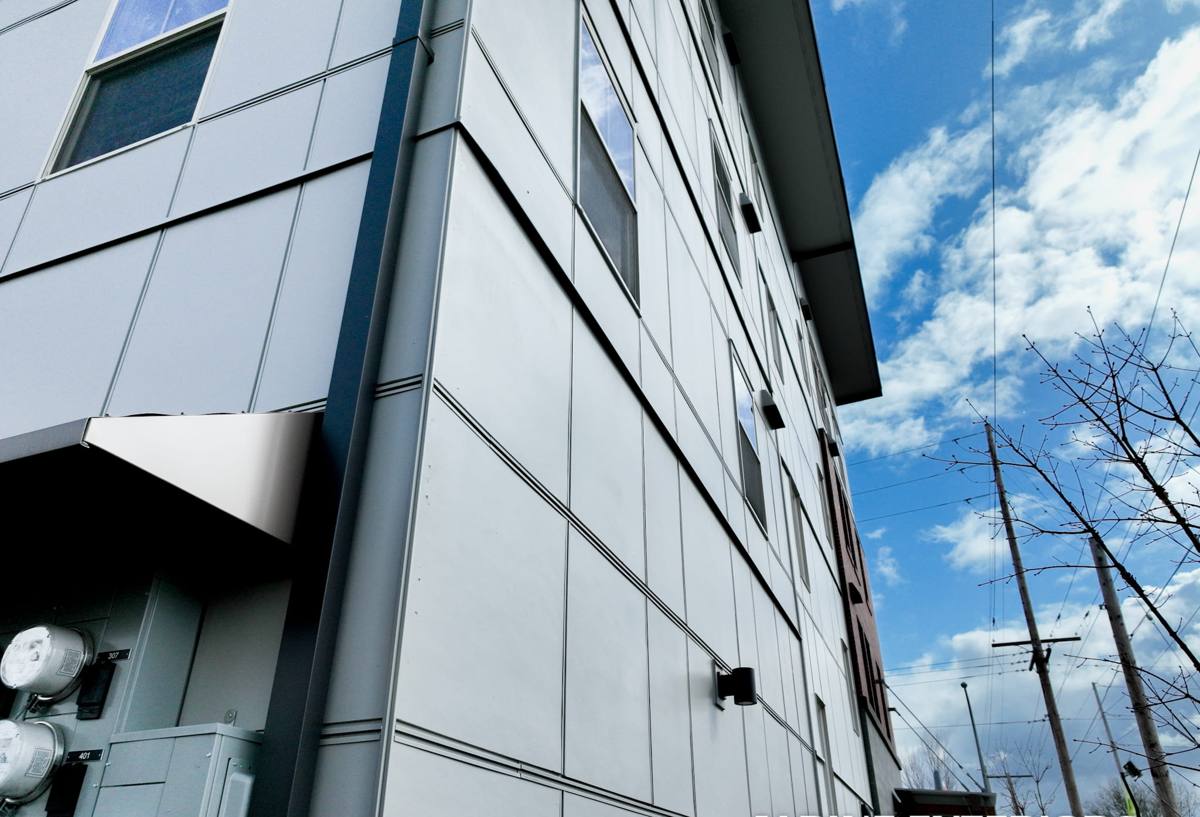
What Driving Rain and a Long Moss Season Do to Vertical Siding
Board and batten's vertical lines are part of its appeal, but vertical siding also has to manage water differently than horizontal lap siding. Every batten seam is a potential path for water to track down the wall if it isn't flashed and gapped correctly, and in a climate where wind-driven rain off Bellingham Bay hits walls at an angle for months at a time, those seams get tested constantly. Add a shaded, tree-covered lot — common throughout Edgemoor — and you get slower drying between storms, which is exactly the condition moss, algae, and mildew need to take hold.
None of that is a reason to avoid board and batten. It's a reason to be precise about the assembly behind it: the water-resistive barrier, the drainage gap, the flashing at every horizontal transition, and the material itself. Wood-based and engineered-wood siding products are more vulnerable to this kind of sustained moisture exposure because their core can swell, delaminate, or rot once water gets past the face. Fiber cement doesn't have that failure mode — it's cement, sand, and cellulose fiber, and it doesn't rot or support the kind of organic growth that soft, absorbent siding materials do. That's a big part of why we standardized on James Hardie fiber cement for every siding job we do, board and batten included.
Salt Air's Role
Salt air accelerates corrosion in fasteners, flashing, and any metal trim detail on a home. On a bluff-adjacent or bay-facing lot, that means the small hardware choices — nail type, flashing metal, trim fasteners — matter as much as the siding panel itself. We spec corrosion-resistant fasteners and flashing on Edgemoor jobs for this reason, not as an upsell but because using standard hardware in this air is asking for streaking and premature failure at every seam.
Board & Batten, Installed the Way the Manufacturer Actually Specifies
A correct board and batten install is a system, not a material. We use James Hardie's engineered vertical siding panels with HardieTrim battens over the seams, finished in factory-applied ColorPlus where the homeowner wants a baked-on finish that resists fading and doesn't need repainting on the same schedule as field-applied paint. The panels are engineered specifically for climates like ours — Hardie's HZ5 product line is formulated for the Pacific Northwest's freeze-thaw cycles and moisture load, which is a different formulation than what gets shipped to drier regions of the country.
The Rainscreen Gap Isn't Optional Here
The single detail that separates a board and batten job that lasts from one that doesn't is the drainage gap behind the panel — commonly built with vertical furring strips over the water-resistive barrier. That gap lets any moisture that does get behind the siding drain and dry instead of sitting against the wall sheathing. On a shaded, wet-climate lot like much of Edgemoor, skipping this step to save labor cost is the single most common reason we see premature siding failure on homes we're called out to re-side. We build the rainscreen gap into every board and batten install, full stop.
Fastening, Flashing, and Batten Spacing
Hardie's warranty is written around specific fastener types, spacing, and flashing details, and it's only valid when the installation follows that specification. That includes flashing at every horizontal joint and window or door head, proper caulking at penetrations (not as a substitute for flashing, but in addition to it), and batten spacing that matches the panel manufacturer's engineering rather than just what looks even to the eye. We install to spec because it's the only way the product performs the way it's designed to, and the only way the transferable warranty stays intact if the home changes hands.
Our Process for an Edgemoor Board & Batten Project
- On-site assessment. We look at existing siding condition, wall sheathing, moisture history, tree cover, and site access — bluff lots and heavily wooded lots both change staging and scaffolding logistics.
- Tear-off and sheathing check. We remove old siding and inspect the sheathing underneath for rot or hidden water damage before anything new goes up. This is where shaded, damp-prone walls often reveal problems that weren't visible from outside.
- Water-resistive barrier and rainscreen. A new WRB goes down correctly lapped, followed by furring strips to create the drainage gap.
- Flashing. Window and door heads, horizontal transitions, and any wall penetrations get flashed before panels go up, not caulked over afterward as a fix.
- Panel and batten installation. HardiePanel vertical siding goes up with battens set to spec, fastened with corrosion-resistant hardware appropriate for the salt-air exposure.
- Finish and trim. ColorPlus finished panels and trim get final detailing, caulking at penetrations, and a walkthrough.
What Drives Cost on a Board & Batten Job
| Factor | Why It Matters |
|---|---|
| Existing siding removal | Multiple layers or rotted sheathing found underneath add tear-off and repair time |
| Wall height and trim complexity | Two-story walls, gables, and detailed trim around windows take more labor per square foot |
| Site access | Bluff-edge, sloped, or heavily treed lots can require different staging and scaffolding than a flat, open lot |
| Finish choice | Factory-applied ColorPlus vs. field-primed panels changes both material cost and future repaint timeline |
| Moisture or rot repair | Sheathing or framing damage found during tear-off is addressed before new siding goes up, not covered over |
We give a written, itemized estimate after the on-site assessment rather than a rough number sight-unseen, since these factors vary enough from house to house — and lot to lot within Edgemoor itself — that a generic square-footage price isn't honest.
How Board & Batten Compares to Other Siding Options
| Material | Moisture Behavior in This Climate | Maintenance |
|---|---|---|
| James Hardie fiber cement | Non-combustible, doesn't rot or swell; performs well against sustained damp exposure | Low — ColorPlus finish holds up without repainting on a short cycle |
| Engineered wood (LP SmartSide, similar) | Wood-fiber core can swell or degrade if water gets past the coating or seams | Moderate — coating and caulk lines need regular inspection |
| Vinyl | Doesn't rot, but can warp or crack in temperature swings and doesn't hold a factory-baked finish the same way | Low, but limited repair options if a section is damaged |
| Cedar / primed spruce | Attractive but absorbent; needs a well-ventilated assembly and consistent refinishing to avoid rot in a wet, shaded climate | High — refinishing and moisture monitoring are ongoing |
We install James Hardie exclusively because, across the trade-offs above, it's the product we're willing to put a long-term recommendation and workmanship behind in a climate this wet.
Signs an Edgemoor Home Needs a Fresh Look at Its Siding
- Persistent moss or dark streaking on walls that face shade or the prevailing rain direction
- Soft spots, bubbling, or visible swelling around seams and trim
- Paint that's peeling or alligatoring faster than the rest of the home's exterior
- Gaps opening up at battens or trim boards
- Musty smell or visible staining on interior walls that share an exterior wall with a shaded side of the house
- Siding that's original to a home built more than 20-25 years ago and hasn't been inspected recently
Why It's Worth Hiring a Crew That Already Works This Neighborhood
Edgemoor's lots aren't uniform — some sit close to the bay with direct salt-air exposure, others are set back under heavy tree cover with a shade-and-moisture problem instead. A crew that's worked the neighborhood knows to ask about both before quoting a job, knows what Bellingham's permitting process requires for exterior work, and doesn't have to learn on the fly how sloped or wooded access changes staging. That local familiarity doesn't replace a proper on-site assessment, but it means fewer surprises once the job is underway and a quote that reflects the actual conditions on your lot rather than a generic city-wide average.
If you're weighing board and batten siding for a home in Edgemoor, we're glad to walk the property with you, look at what's there now, and put together a straightforward, no-pressure estimate — no obligation, just an honest look at what your home needs. The form below is the easiest way to get that scheduled.