 Bellingham Exterior
 Roofing in Edgemoor: A Different Set of Demands
Edgemoor sits close to Bellingham Bay, which means homes here take on a combination of stresses that inland Whatcom County neighborhoods don't deal with in the same way. Salt-laden air off the water accelerates corrosion on fasteners, flashing, and any exposed metal. Driving rain, pushed sideways by wind off the bay, finds its way into laps and seams that would stay dry on a calmer site. And the shaded, moisture-heavy stretches of fall through spring create a long moss season that can start working on a roof within a year or two of installation if the roof wasn't built to shed it. None of this means Edgemoor needs exotic materials — it means the installation details have to be right, every time, because there's less margin for shortcuts here than in a drier part of the county.
A new roof installation in this neighborhood is as much about the unseen layers — underlayment, flashing, ventilation, fastener selection — as it is about the shingles or panels on top. We treat those layers as the actual roof and the surface material as the finish coat.
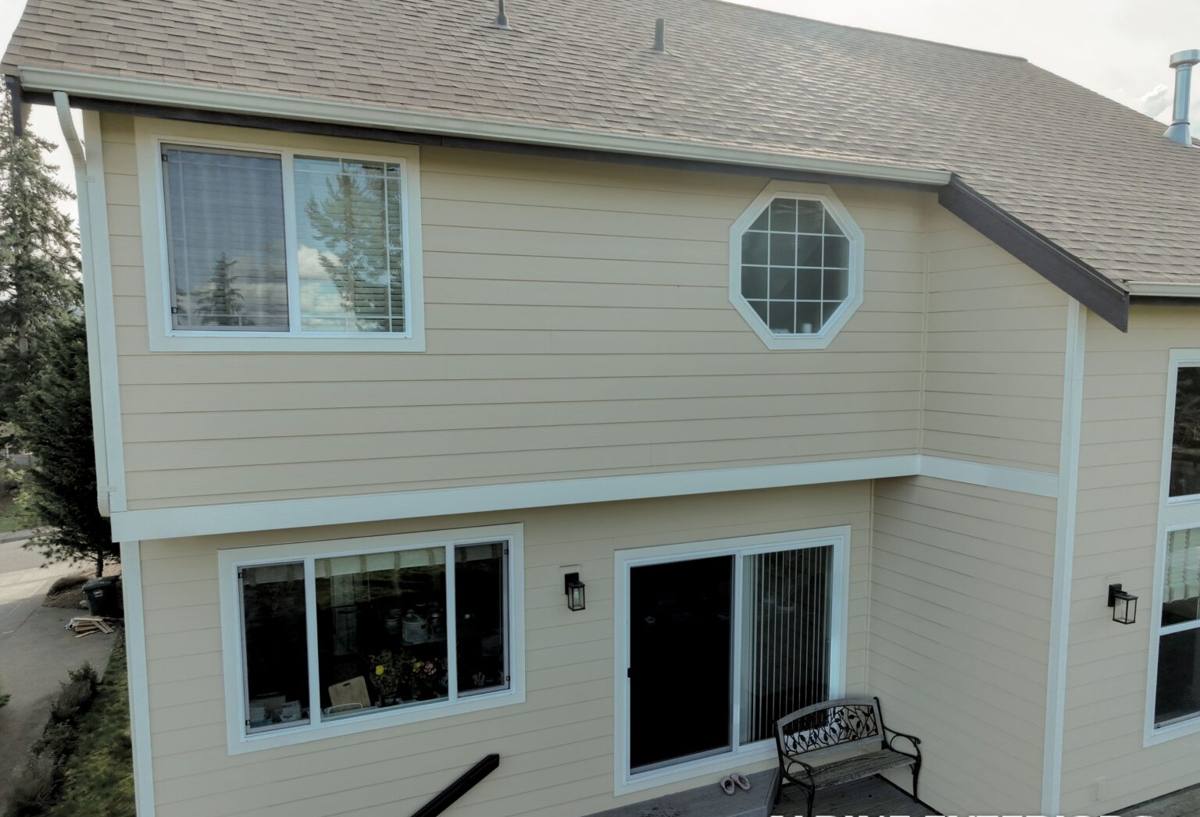
What Edgemoor Homes Need From a New Roof
Corrosion Resistance Where It Counts
Salt air doesn't just affect roofs directly on the waterfront — it travels inland on the wind and settles on any exposed metal over time. Standard electro-galvanized fasteners and flashing can start showing rust streaks and pitting well before the rest of the roof is due for attention. On Edgemoor jobs we default to corrosion-resistant fastener and flashing options, because replacing rusted flashing on an otherwise sound roof is a needless expense that a better material choice avoids up front.
Underlayment and Seam Protection for Driving Rain
When rain comes in at an angle instead of straight down, it tests every lap, seam, and penetration on a roof. A synthetic underlayment with properly lapped and sealed seams, plus extra attention at valleys, chimneys, and any roof-to-wall transitions, is what actually keeps water out during a real wind-driven storm — not just the surface material. This is also where a lot of older or lower-bid roofs fail first, because the underlayment and flashing details get rushed to save labor time.
A Roof Built to Shed Moss, Not Just Resist It
Moss doesn't attack the roofing material itself so much as it holds moisture against it, works into laps and granule surfaces, and eventually lifts shingle edges or works under panel seams. The best defense is a combination of roof design (keeping slopes and drainage paths clear), material choice, and proactive treatment — not any single product marketed as "moss-proof." We'll talk through zinc or copper strip options at the ridge on shingle roofs, since metal ions washing down the roof surface with rain provide ongoing, low-maintenance moss suppression across the whole field.
What a Correct Installation Actually Involves
A new roof is a system, not a single product. Skipping or shortcutting any layer below shows up as a leak, a moss problem, or a shortened lifespan down the line — usually after the crew that installed it is long gone. A correct installation includes:
- Full tear-off and inspection of the roof deck for rot, soft spots, or prior water damage — not a roof-over-roof shortcut
- Deck repair or replacement of any compromised sheathing before anything new goes down
- Ice-and-water shield or equivalent membrane at eaves, valleys, and vulnerable transitions
- Synthetic underlayment across the full roof, properly lapped per manufacturer spec
- New flashing at every penetration, chimney, wall transition, and valley — reused flashing is a false economy
- Balanced intake and exhaust ventilation, sized to the attic space
- Corrosion-resistant fasteners appropriate for a coastal-influenced climate
- Final walk-through covering material warranty terms and basic maintenance expectations
Ventilation: The Detail Most Often Overlooked
A roof with poor attic ventilation traps warm, moist air underneath the deck. In Bellingham's damp climate, that trapped moisture condenses, saturates the sheathing from below, and creates the ideal environment for rot and mold — problems that show up as a sagging deck or musty attic smell long before they show up as a visible roof leak. Balanced ventilation, meaning enough intake at the eaves matched with enough exhaust at the ridge, also reduces winter ice-damming risk and summer heat buildup. It's an inexpensive detail to get right during a new installation and an expensive one to fix afterward.
Material Comparison for Edgemoor Conditions
| Material | Salt Air Performance | Moss Resistance | Typical Lifespan | Maintenance Notes |
|---|---|---|---|---|
| Architectural Asphalt Shingle | Good with corrosion-resistant flashing/fasteners | Moderate; benefits from zinc/copper strips | 25-30 years | Periodic moss and debris removal recommended |
| Standing Seam Metal | Very good with coastal-rated coatings | Strong; smooth surface sheds moss growth | 40-50+ years | Low; occasional gutter and fastener check |
| Synthetic/Composite Shingle | Good | Moderate to good depending on product | 30-50 years | Low; check manufacturer warranty terms |
| Cedar Shake | Fair; needs regular maintenance near salt air | Low without active treatment | 20-30 years with upkeep | High; regular treatment and moss control needed |
There's no single "right" material for every Edgemoor home — roof pitch, home style, budget, and how much ongoing maintenance a homeowner wants to take on all factor in. What matters is matching the material to the site honestly, rather than defaulting to whatever is easiest to install or highest-margin to sell.
What Drives Cost on a New Roof Installation
| Factor | Why It Matters |
|---|---|
| Roof size and complexity | More valleys, dormers, and penetrations mean more flashing labor and material |
| Deck condition | Rotted or soft sheathing found at tear-off adds repair cost but prevents a failure later |
| Material choice | Asphalt, metal, and composite options carry different material and labor costs |
| Ventilation upgrades | Adding proper intake/exhaust venting where none existed is a worthwhile add during a full replacement |
| Access and site conditions | Steep pitch, tree cover, or tight lot access can affect labor time and safety setup |
| Tear-off layers | Removing multiple existing roof layers takes more time than a single-layer tear-off |
We won't quote a number without seeing the roof — anyone who does is guessing or lowballing. What we can say honestly: a roof-over-roof shortcut is always cheaper up front and almost always more expensive over the life of the roof, because it hides deck problems and shortens the life of the new material on top.
Our Process on an Edgemoor Roof
- Inspection and assessment. We walk the roof, check the attic if accessible, and look for signs of past leaks, moss damage, or ventilation problems specific to the home's exposure to wind and water.
- Written scope and estimate. A clear breakdown of materials, tear-off scope, flashing and ventilation work, and timeline — no vague line items.
- Tear-off and deck inspection. Full removal of the old roofing, with any deck damage identified and repaired before new material goes down.
- Underlayment, flashing, and ventilation installation. The layers that determine whether the roof actually performs in Bellingham weather.
- Surface material installation. Installed to manufacturer spec, including moss-suppression details where applicable.
- Cleanup and walk-through. Job site cleared, magnetic sweep for stray fasteners, and a final review of warranty coverage and any maintenance recommendations.
Why a Crew That Already Works Edgemoor Matters
A roof installed by a crew unfamiliar with this stretch of Bellingham Bay is more likely to treat it like any other job — standard fasteners, standard flashing, standard ventilation calculations that don't account for the added corrosion load or the shaded moss-prone areas common in this neighborhood. A crew that regularly works Edgemoor and the surrounding Bellingham waterfront neighborhoods already knows which details need upgrading for the salt air and rain exposure, and doesn't have to learn that on your roof. That familiarity also means realistic timelines that account for Whatcom County's wetter months, since roofing during a driving rain event isn't something any honest crew will do.
Before You Sign a Roofing Contract
- Confirm the estimate includes full tear-off, not a roof-over-roof install
- Ask specifically what underlayment and flashing materials are included, not just the surface shingle or panel
- Ask how ventilation will be assessed and whether upgrades are included
- Ask about fastener and flashing material — coastal exposure calls for corrosion-resistant hardware
- Get the manufacturer warranty terms in writing, including what voids them
- Confirm licensing, bonding, and insurance before any work begins
- Ask how moss management will be addressed as part of the new roof, not left for later
Let's Look at Your Roof
If your Edgemoor home is due for a new roof, we'll come take a straightforward look — no pressure, no inflated scare tactics about a roof that still has years left in it. If it's time to replace, we'll walk you through material options, what your deck and ventilation actually need, and a clear written estimate before any work starts. Fill out the form below to schedule a free estimate.