 Bellingham Exterior
 Why Edgemoor Homes Wear Out Windows Faster
Edgemoor sits close enough to the water that its homes take a different kind of weathering than houses further inland in Bellingham. Salt-laden air off Bellingham Bay works its way into aluminum frames and steel hardware over the years, driving rain off the water finds any gap in old flashing, and the long, damp moss season here keeps wood trim and sills wet for weeks at a stretch. None of this is dramatic on its own. It's cumulative. A window that would last three decades in a drier inland climate can start failing in Edgemoor well before that, especially if it wasn't installed with this specific exposure in mind.
We've worked on enough homes in this neighborhood and around Whatcom County to know the pattern: it's rarely the glass that fails first. It's the frame corners, the weep holes, the sill flashing, and the sealant joints — the parts of a window that are supposed to manage water and never quite get the attention they need during a rushed or budget installation.
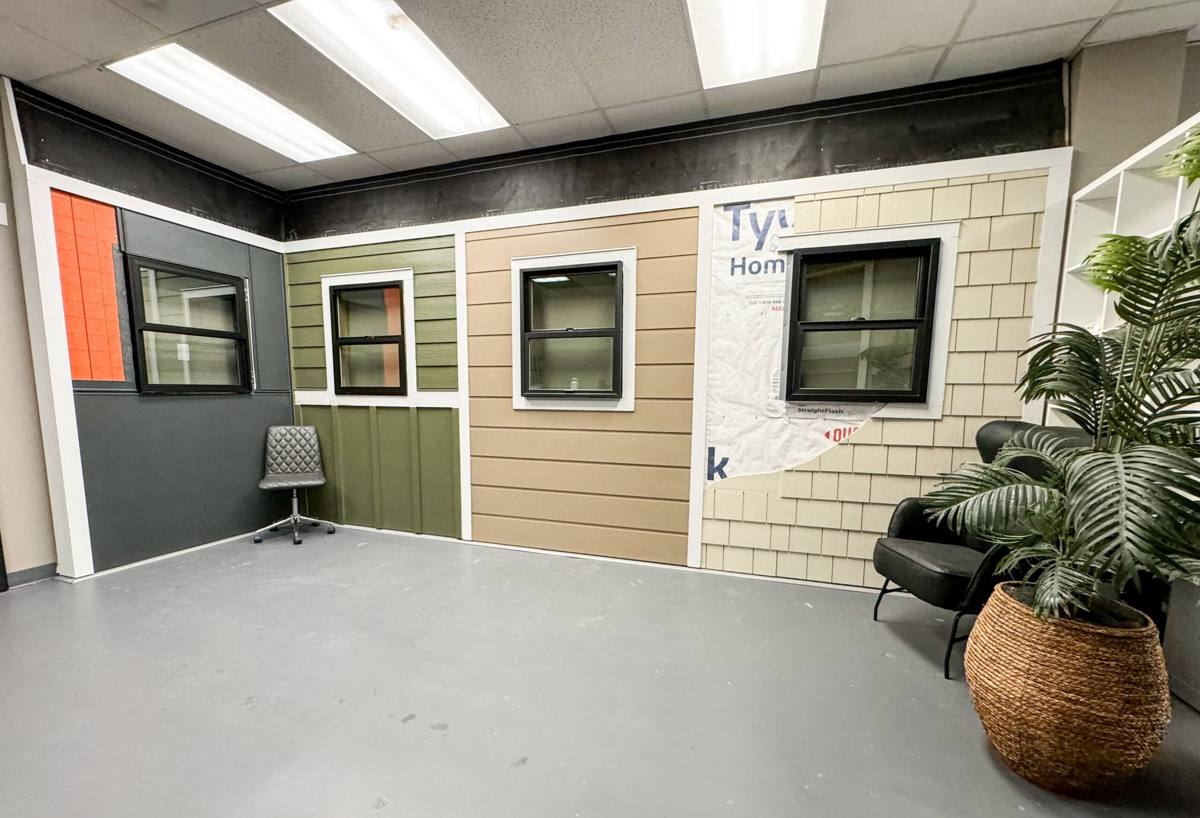
What Salt Air, Rain, and Moss Actually Do to a Window
Salt Air and Metal Components
Older aluminum-frame windows are especially vulnerable near the water. Salt accelerates corrosion at fasteners, hinges, and cranks, and once hardware starts to pit or seize, the window stops closing tightly — which lets in more moist air and starts the cycle over. Even vinyl and fiberclad windows have some metal reinforcement or hardware inside, so this isn't just an old-window problem.
Driving Rain and Wind-Driven Water
Edgemoor's position relative to the water means wind-driven rain hits some elevations harder than a typical inland Bellingham lot. Water doesn't just fall on a window — it gets pushed sideways and up under trim. If the original installation didn't include proper sill pan flashing and a correctly lapped weather-resistant barrier, water finds its way behind the frame and into the wall cavity, often long before anyone sees a stain inside.
Moss, Algae, and Sustained Moisture
Whatcom County's mild, wet winters keep north-facing and shaded walls damp for long stretches, which is exactly the condition moss and algae need. On wood-trimmed windows, that sustained dampness softens sills and casing over time. On any window, it keeps the frame's exterior surfaces wet longer after every storm, which matters most at seams and joints where sealant eventually fails.
Signs an Edgemoor Home Needs Window Replacement
- Fogging or a visible haze between panes — the sealed unit's seal has failed and insulating gas has escaped
- Windows that are hard to open, close, or lock, especially after damp weather
- Visible corrosion, pitting, or chalky residue on aluminum frames or hardware
- Soft or discolored wood trim and sills around the window opening
- Persistent condensation on the inside of the glass, even in normally ventilated rooms
- A noticeable draft or cold spot near the window when it's windy off the water
- Visible gaps, cracked caulk, or daylight showing around the frame
- Rising heating bills without any other explanation
Any one of these can be a minor fix. Two or three together, especially on a home more than 20 years old, usually mean it's time to talk about full replacement rather than another round of patching.
What a Correct Window Replacement Involves
It Starts Before the Window Ever Arrives
A proper job begins with checking the rough opening for hidden rot, confirming it's square and sound, and planning flashing details specific to that wall's exposure. On a water-facing or heavily shaded Edgemoor elevation, we treat the flashing and moisture barrier as the most important part of the job — more important than the window brand itself.
Sill Pan Flashing
Every replacement should include a sloped sill pan that directs any water that gets past the window back outside the wall assembly, not down into the framing. This is one of the most commonly skipped steps in lower-cost installations, and it's the one that causes the most expensive damage later.
Proper Sequencing of Materials
Weather-resistant barrier, flashing tape, and the window's nailing fin all have to be lapped in the correct order — like shingles — so water always sheds outward and down. Get the order wrong and you can trap water inside the wall even with a brand-new window installed.
Sealing and Insulating the Gap
The gap between the window frame and the rough opening needs a proper backer rod and sealant or low-expansion foam — not just foam alone, which can bow thin frames, and not just caulk alone, which won't fill the gap or insulate it.
Choosing the Right Window for This Exposure
| Frame Material | How It Handles This Climate | Maintenance |
|---|---|---|
| Vinyl | No corrosion risk from salt air; handles moisture well; good standard choice near water | Low — occasional cleaning |
| Fiberglass | Very stable in temperature swings and damp conditions; strong resistance to warping | Low |
| Aluminum | Prone to corrosion and pitting in salt air over time unless heavily coated/anodized | Moderate to high near water |
| Wood-clad | Attractive, but exposed or poorly sealed wood trim is vulnerable to moss and rot in constant damp shade | Higher — needs regular sealant/paint checks |
We're not against any of these materials outright — each has a legitimate place. Our standard for Edgemoor is to steer homeowners toward materials and finishes that hold up with the least ongoing maintenance in a wet, salt-exposed setting, and to be upfront when a look the homeowner wants (like true wood exteriors) comes with a maintenance commitment they should plan for.
Glass and Weatherstripping Considerations
Dual-pane, low-E glass is the practical baseline for this climate — it cuts heat loss and reduces the condensation that shows up on single-pane glass during cold, damp mornings. Weatherstripping quality matters just as much as the glass; a well-built frame with poor weatherstripping will still leak air on a windy day off the bay.
Our Process for an Edgemoor Job
- On-site assessment of every window being considered, including a check of surrounding trim and sheathing for hidden moisture damage
- Honest replace-vs-repair recommendation window by window — not every unit on a job needs full replacement
- Clear, itemized estimate covering materials, flashing details, and any carpentry repair needed before the new window goes in
- Removal of the old unit and inspection of the opening before anything new goes in
- Sill pan flashing, properly lapped weather barrier, and correct fastening per the manufacturer's instructions
- Insulation and sealing of the gap, interior and exterior trim work, and final cleanup
- Walkthrough so you can see and operate every window before we consider the job done
Cost Factors Homeowners Should Understand
| Factor | Why It Affects Price |
|---|---|
| Number and size of windows | Larger openings and more units mean more material and labor |
| Frame material chosen | Vinyl, fiberglass, and wood-clad options carry different material costs |
| Condition of the rough opening | Hidden rot or water damage found during removal adds carpentry repair |
| Flashing and detailing complexity | Exposed, water-facing walls need more careful (and more time-intensive) flashing work |
| Access and elevation | Upper-floor or hard-to-reach windows take more setup time |
We give broad, honest ranges up front and firm numbers after the on-site assessment — we don't believe in surprise change orders once the wall is opened up, unless we find something genuinely hidden, in which case we stop and talk to you before proceeding.
Why a Crew That Already Works Edgemoor Matters
Window replacement done right depends on details that generic, one-size-fits-all installation guides don't cover — how much wind-driven rain a particular elevation actually sees, how shaded a wall stays through a Whatcom County winter, whether a home's age suggests older flashing techniques that need extra attention during removal. A crew that has already worked on homes in this specific area brings that judgment with them instead of learning it on your project.
It also means we're realistic about scheduling around this area's weather rather than rushing an install between rain bands in a way that compromises the flashing detail. A window job is only as good as the water management behind it, and that's not something to hurry near the water.
Maintaining New Windows in This Climate
- Rinse salt residue off frames and glass periodically, especially after storms with wind off the bay
- Keep gutters and downspouts clear so roof runoff isn't sheeting down over window heads
- Check and refresh exterior caulking at trim joints every year or two
- Trim back vegetation that keeps a window's exterior shaded and damp longer than necessary
- Operate locks and cranks periodically through winter so hardware doesn't seize from disuse and moisture
None of this is difficult, but skipping it is how a good installation still ends up with problems a decade in. A little seasonal attention goes a long way this close to the water.
If your Edgemoor home has windows showing any of the signs above, or you're simply due for an honest look at their condition, we're happy to come out, assess what's really going on, and walk you through your options. The estimate is free, there's no pressure, and you'll get a straight answer about whether you need full replacement or something less. Just fill out the form below to get started.