 Bellingham Exterior
 Metal Roofing Built for Ferndale's Coastal Climate
Ferndale sits close enough to the water and open farmland that homes here take a different kind of weather beating than roofs a few miles inland. Salt-tinged air off the Strait of Georgia and Puget Sound, wind-driven rain that comes in sideways during winter storms, and a moss season that can run eight months out of the year all add up to a roof environment that punishes weak materials and sloppy installation fast. Metal roofing, done correctly, holds up to all three of those stresses better than most alternatives — but "done correctly" is the operative phrase. A metal roof installed with the wrong fasteners, the wrong flashing details, or without accounting for coastal air will show problems years before it should.
This page is specifically about metal roofing for homes in and around Ferndale — not a general overview of the product. If you're comparing options for a home in this part of Whatcom County, the details below are the ones that actually matter here.
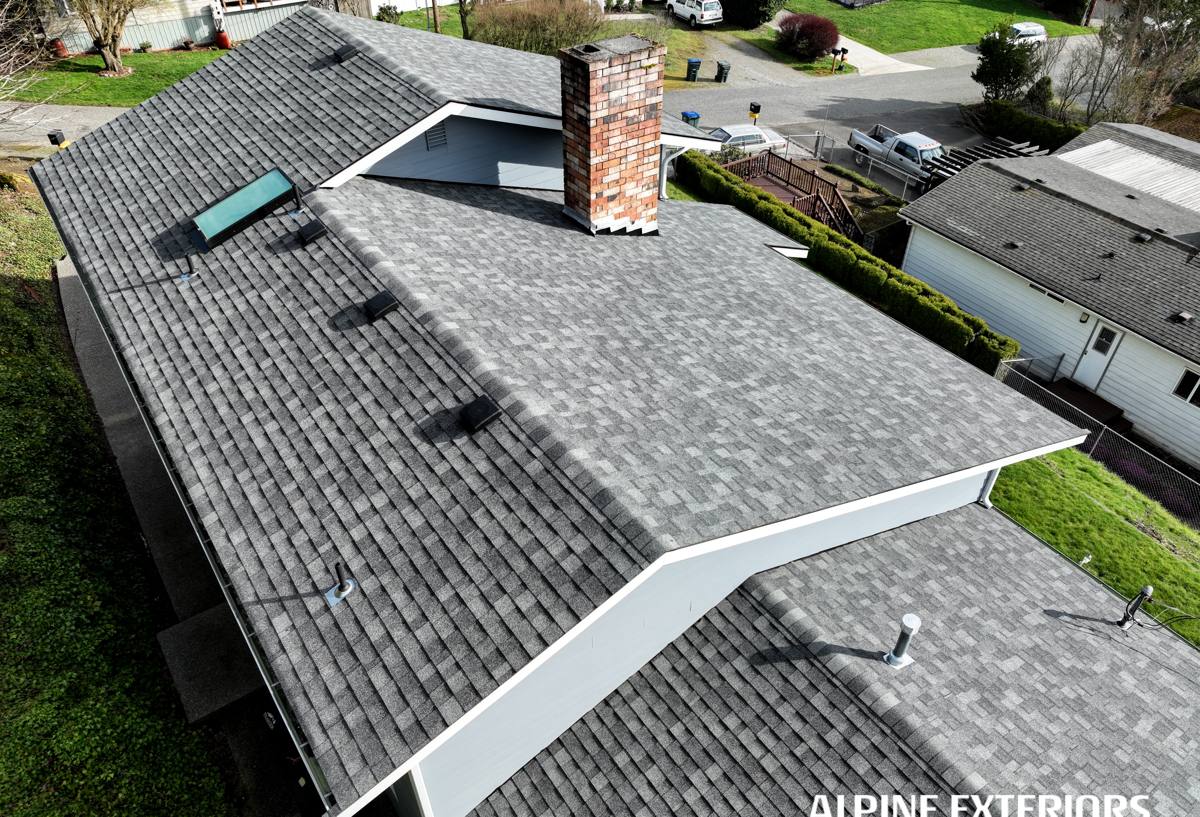
What Whatcom County Weather Does to a Roof Over Time
Salt Air and Corrosion
Homes closer to the water deal with airborne salt that accelerates corrosion on any exposed metal — fasteners, flashing, gutters, and the roofing panels themselves if the coating and metal type weren't chosen with that exposure in mind. This isn't unique to Ferndale, but it's a bigger factor here than it would be for a roof twenty miles inland. The practical impact is that fastener and flashing material choice matters more here than the marketing on a roofing brochure usually admits.
Driving Rain and Wind
Winter storms moving through Whatcom County frequently bring rain at an angle, not straight down. That matters for a roof because wind-driven rain finds its way into laps, seams, and flashing details that would stay dry in a calmer climate. A metal roof with standard exposed fasteners can perform fine for years and still develop leaks at those fastener points once rubber washers age and shrink — something worth understanding before you choose a system, which we cover below.
Moss and Organic Growth
Whatcom County's damp, mild climate is close to ideal for moss, and Ferndale's mix of tree cover and marine moisture keeps roofs wet longer after storms than drier climates would. Moss holds moisture against roofing material, and on some roof types that trapped moisture works its way into seams and fastener penetrations over time. Metal roofing resists moss better than most other roofing materials because there's little for spores to root into on a smooth painted metal surface, but valleys, low-slope sections, and areas under heavy tree cover still need attention.
Why Metal Roofing Is a Strong Match for This Climate
Metal roofing has real advantages for a home in this specific environment, and it's worth being honest about where those advantages come from rather than just listing them:
- Moss resistance — a smooth metal surface gives moss and algae far less to grip onto compared to textured roofing materials, which matters given how long Ferndale stays damp.
- Water shedding — metal panels shed wind-driven rain efficiently when the seams and laps are installed with the right overlap and slope, which is exactly the kind of weather this area sees in winter.
- Longevity when the coating is right — a coating system rated for coastal exposure resists the salt-air corrosion described above; a coating not rated for it won't, regardless of the base metal.
- Low ongoing maintenance — once installed correctly, a metal roof needs less regular upkeep than moss-prone materials, which is a real benefit for homeowners who don't want to be on a ladder every fall.
None of that is automatic. It depends on choosing the right system and installing it with attention to the details that matter in this specific climate — which is where a lot of metal roofing installations fall short.
Choosing the Right Metal Roofing System
Not all metal roofing is the same, and the right choice for a Ferndale home depends on the roof's slope, exposure to wind, and how much of a factor salt air is for that particular lot. The two systems we install most often are standing seam and exposed-fastener panel systems, and each has real trade-offs worth understanding before you decide.
| Factor | Standing Seam | Exposed-Fastener Panel |
|---|---|---|
| Fastener exposure | Fasteners hidden under seams — no exposed penetrations | Fasteners exposed through panel face, sealed with rubber washers |
| Coastal durability | Better long-term performance near salt air since fasteners aren't exposed to the elements | Adequate, but washer seals degrade faster in salt air and need eventual replacement |
| Upfront cost | Higher | Lower |
| Best fit | Primary residence, longer ownership horizon, higher wind/rain exposure | Outbuildings, shops, budget-conscious projects, shorter horizon |
| Maintenance over time | Minimal — no washers to monitor | Periodic fastener/washer inspection recommended |
We'll walk through both options honestly for your specific roof rather than defaulting to whichever is easier to sell. For most Ferndale homes exposed to open weather or closer to the water, we lean toward standing seam because it removes the one weak point — exposed fasteners — that this climate is hardest on. For a detached shop or a shorter-term ownership plan, exposed-fastener panel systems are a legitimate, more affordable choice.
What a Correct Metal Roofing Installation Actually Involves
The panels themselves are only part of the job. Most metal roof problems we get called out to fix trace back to details that were rushed or skipped during installation, not the panel material failing. A correct installation for this climate includes:
Underlayment and Moisture Barrier
A quality synthetic or self-adhered underlayment underneath the panels gives the roof a second line of defense against wind-driven rain that works its way past the panel seams — something worth having in a climate that sees as much sideways rain as Whatcom County does.
Fastener and Flashing Material
Fasteners and flashing rated for coastal exposure resist corrosion far longer than standard hardware. This is one of the easiest details to cut corners on because it doesn't show up as a problem for a few years — by which point it's a warranty argument, not a quick fix.
Proper Panel Overlap and Seam Sealing
Panel laps and seams need to be installed with the overlap and sealant appropriate for the roof's slope and wind exposure. On lower-slope sections, standard overlap that works fine on a steep roof elsewhere in the county may not be enough here.
Ventilation
Metal roofing performs best with proper attic and roof-deck ventilation. Poor ventilation traps moisture underneath the panels, which in a consistently damp climate like this one can lead to condensation issues that have nothing to do with the roofing material itself and everything to do with airflow.
Valley and Penetration Detailing
Valleys, chimney flashing, and any roof penetration are where moss, standing water, and wind-driven rain concentrate. These areas need more attention than the flat field of the roof, and it's usually where a rushed installation shows its weaknesses first.
Our Process for Ferndale Metal Roofing Projects
We keep the process straightforward and give you a clear picture of what's happening at every stage:
- On-site assessment — we inspect the existing roof, note slope, wind exposure, tree cover, and any moss or moisture damage already present.
- System recommendation — we walk through standing seam versus exposed-fastener options for your specific roof and budget, with the trade-offs explained plainly.
- Tear-off and deck inspection — we remove the old roofing and check the deck underneath for rot or soft spots before anything new goes down, since covering a bad deck just hides the problem.
- Underlayment and flashing installation — moisture barrier, coastal-rated flashing, and ventilation components go in before a single panel is installed.
- Panel installation — panels are installed with attention to overlap, fastening, and sealing appropriate to your roof's slope and exposure.
- Final walkthrough — we go over the finished roof with you, including what maintenance (if any) it will need going forward.
Maintaining a Metal Roof in a Moss-Prone, Salt-Air Climate
One of the appeals of metal roofing is how little ongoing maintenance it needs compared to other materials, but "little" isn't "none" in this climate. A simple annual routine keeps a metal roof performing the way it should:
- Clear needles, leaves, and debris from valleys and low-slope sections where moss and standing water tend to collect.
- Check gutters and downspouts each fall so rain has somewhere to go instead of backing up under roof edges.
- Look for any moss establishing in valleys or shaded areas and remove it before it spreads — it has less to grip on metal, but shaded valleys can still develop it over time.
- If your roof uses an exposed-fastener system, have the fastener washers checked periodically, since these are the components most affected by age and salt air.
- After major wind storms, a quick visual check for lifted panels or damaged flashing is worth the five minutes it takes.
Cost Factors for Ferndale Metal Roofing Projects
Every roof is different, so we won't quote a number without seeing the job, but the main factors that move the price on a metal roofing project here are:
| Factor | Why It Matters |
|---|---|
| Roof system type | Standing seam runs higher than exposed-fastener panel due to material and labor for hidden fasteners |
| Roof complexity | Valleys, dormers, and multiple roof planes add flashing work and installation time |
| Existing deck condition | Rot or soft decking found during tear-off adds repair work before installation can proceed |
| Coastal-rated hardware | Fasteners and flashing suited to salt-air exposure cost more than standard hardware but pay off in longevity |
| Roof access and pitch | Steeper or harder-to-access roofs take more time and safety setup |
Why Local Experience Matters for This Job
A crew that's worked roofs across Whatcom County knows which fastener and flashing specs actually hold up near the water, how much moss pressure a shaded valley in this area really sees over a winter, and what wind-driven rain does to a poorly lapped seam here versus somewhere drier. That's not something you can fully learn from a manufacturer's install guide — it comes from having done the work in this specific climate and having gone back to fix roofs that were installed without accounting for it. When you're comparing contractors for a metal roof in Ferndale, ask specifically about their experience with coastal exposure and moss-prone conditions, not just metal roofing in general.
If you're weighing metal roofing for a home in Ferndale, we're happy to take a look and talk through your options honestly — including whether metal is the right fit for your particular roof at all. Reach out for a free, no-pressure estimate using the form below.