 Bellingham Exterior
 Siding Repair in Lynden: What Local Homes Are Up Against
Lynden sits inland from the coast, but it still lives inside Whatcom County's marine climate. Damp air moves across the lowlands most of the year, and a share of it carries salt off the Sound and the Strait of Georgia. Add in months of driving rain and a moss season that can stretch from fall through spring, and you have a climate that is quietly hard on exterior siding — not through one dramatic event, but through slow, steady moisture exposure that most homeowners don't notice until it shows up as a soft spot, a stain, or a section that's started to pull away from the wall.
Siding repair in Lynden isn't just a cosmetic fix. Done right, it's about finding out why a section failed in the first place, stopping the moisture path that caused it, and putting back a material and installation detail that will actually hold up to another Whatcom County winter. Done wrong — patched over without solving the underlying cause — it's a repair you'll be paying for again in a year or two.
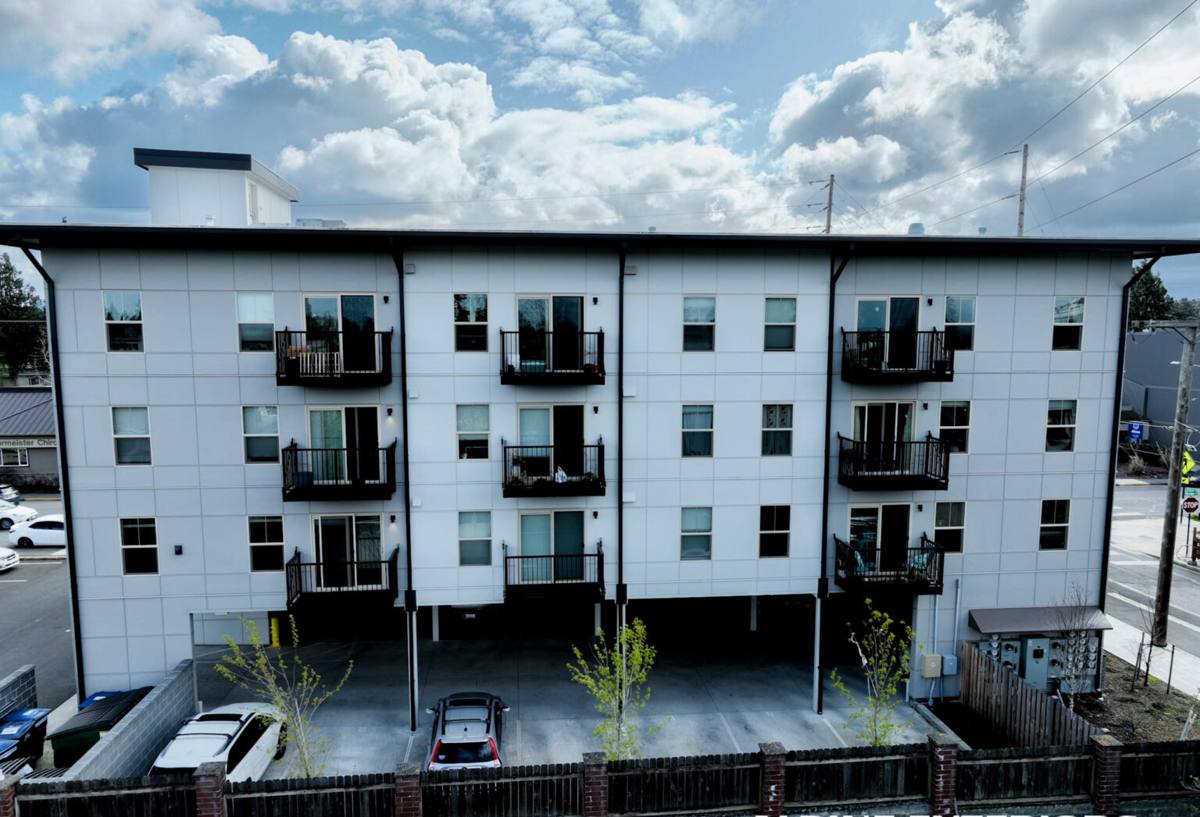
Signs Your Lynden Home Needs Siding Repair
Visual Warning Signs
- Boards or panels that are visibly warped, bowed, or separating from the wall
- Cracking or splitting, especially near corners, seams, and trim
- Paint that's peeling, bubbling, or failing faster than the rest of the house
- Dark streaking, green or black discoloration, or moss and algae growth that keeps coming back
- Soft or spongy spots when you press on the siding
Signs You Can't See From the Curb
Some of the most important damage happens behind the siding, not on its face. Stains on interior walls near exterior corners, a musty smell in a specific room, or unexplained increases in heating costs can all trace back to a siding failure that's been letting moisture into the wall assembly for months. This is why an honest repair estimate involves more than a walk-around — it means checking what's happening underneath, not just what's visible from the driveway.
What a Correct Siding Repair Actually Involves
Diagnosing the Cause, Not Just the Symptom
Siding rarely fails on its own. Most repair calls trace back to one of a handful of root causes: a flashing detail that was never installed correctly, caulking that's aged out and cracked open a seam, a downspout dumping water against a wall, or siding that was installed too close to grade or a deck surface and has been wicking up moisture for years. A repair that ignores the cause and just swaps a damaged board for a new one is a repair that fails again.
Matching the Material
Repairing a section of siding means matching the profile, exposure, and finish of what's already on the wall — not just the general look of it. This is one of the reasons material choice matters so much for long-term repairability, which we get into further down.
Getting the Details Right
A repair is only as good as the flashing, house wrap integration, and fastening behind it. Panels or planks that are re-installed without proper water-resistive barrier detailing, correct fastener placement, and appropriate joint treatment will look fine on day one and fail again within a few seasons — especially with the rain volume Whatcom County sees.
Common Repair Scenarios We See in Lynden
Moisture Damage at the Base of Walls
Siding installed too close to grade, garden beds, or hardscaping traps moisture against the material. This is one of the most common repair calls in the area, since so many homes have landscaping that's grown up over the years and gradually closed the gap that should exist between siding and soil.
Damage Around Windows and Doors
Failed caulking or flashing around openings is a frequent culprit, especially on the sides of the house that take the most direct rain. Left alone, this kind of leak can quietly damage sheathing and framing long before it shows up as a visible siding problem.
Moss and Algae Colonization
Shaded walls, tree cover, and the county's damp stretches all favor moss and algae growth. On some materials this is mostly cosmetic; on others, sustained moss growth holds moisture against the surface long enough to contribute to real material breakdown.
Impact and Age-Related Damage
Cracked panels from debris, settling, or simple age show up on every material type eventually. How well that damage can be repaired — cleanly, invisibly, and permanently — depends heavily on what the siding is made of.
| Repair Situation | Usually Repairable | Usually Needs Wider Replacement |
|---|---|---|
| Isolated crack or impact damage, sound wall behind it | Yes, in most cases | — |
| Moisture damage limited to base course | Yes, with grade/drainage correction | — |
| Widespread warping or soft spots across a wall | — | Yes |
| Damage tied to a failed flashing detail at a roofline or deck | Sometimes, if caught early | Often, if moisture has spread |
| Discontinued color or profile with no close match | — | Yes, for a uniform result |
Our Siding Repair Process
- Inspection. We look at the damaged area and the wall assembly around it, not just the spot you called about — moisture problems rarely stay contained.
- Diagnosis. We identify the actual cause: flashing, grading, caulking, ventilation, or material failure.
- Honest scope. We tell you plainly whether a targeted repair will hold, or whether the damage has spread far enough that a wider section — or the whole wall — makes more sense.
- Repair. We remove and replace only what's compromised, correct the underlying cause, and detail the flashing and sealing properly so the fix actually lasts.
- Match and finish. We match material, profile, and color as closely as the situation allows so the repair doesn't stand out.
Why Material Matters When Repairing: James Hardie vs Alternatives
We install James Hardie fiber cement siding exclusively, and repair work is one of the clearest places that decision pays off. Hardie's ColorPlus factory finish is produced in specific, trackable colors, which makes matching a repaired section to existing siding far more reliable than trying to hand-match a field-painted or discontinued product. Hardie's HZ5 product line is engineered for the kind of wet, marine-influenced climate Whatcom County sits in, and fiber cement itself doesn't absorb and swell with moisture the way wood-based products can.
| Factor | James Hardie Fiber Cement | Wood-Based Panel Products (LP SmartSide, etc.) | Vinyl |
|---|---|---|---|
| Moisture response | Does not swell or rot; engineered for wet climates | Can swell, delaminate, or rot at damaged edges if moisture gets in | Doesn't absorb moisture, but can crack and doesn't stop water behind it |
| Repair color matching | Factory ColorPlus finish, trackable and consistent | Field-applied paint, harder to match precisely over time | Color is baked into the panel but fades unevenly, making patches visible |
| Fire resistance | Non-combustible | Combustible | Can melt or deform near heat sources |
| Long-term repair cost pattern | Isolated, targeted repairs are common | Moisture damage often spreads before it's caught | Cracked panels are often discontinued, forcing wider replacement |
We don't install LP SmartSide, vinyl, Cemplank, Allura, primed spruce, or cedar. Each of those products has real strengths, but we've standardized on Hardie because of how it performs over decades in exactly this climate — not just how it looks on installation day.
Why Hire a Crew That Already Works in Lynden
A crew that regularly works Whatcom County jobs already knows what the local climate does to siding over time — where moss tends to establish first, which wall orientations take the worst of the driving rain, and what flashing shortcuts show up as failures five years later. That familiarity matters more in repair work than almost anywhere else, because a repair is only as good as the diagnosis behind it. We'd rather tell you honestly that a small patch won't hold than sell you a quick fix that fails again next winter.
Maintaining Your Siding After a Repair
A correct repair should last, but a little upkeep protects the investment and helps you catch the next issue early instead of late.
- Keep gutters and downspouts clear so water isn't dumping against walls
- Trim back vegetation and maintain clearance between siding and grade or mulch beds
- Rinse moss and algae growth gently rather than letting it build up season after season
- Check caulking at windows, doors, and trim joints once a year
- Walk the exterior after major storms and note any new cracking, staining, or soft spots
- Address small issues promptly — a small repair now is almost always cheaper than a large one later
Get a Straight Answer on Your Siding
If you're seeing cracking, staining, moss buildup, or soft spots on your Lynden home's siding, it's worth having someone take an honest look before the damage spreads any further behind the wall. We offer free, no-pressure estimates — use the form below to get a straight answer on what your siding actually needs.