 Bellingham Exterior
 Deck Repair Built for Silver Beach's Conditions
Silver Beach sits close enough to the water that decks here take a different kind of beating than decks a few miles inland. Salt-laden air accelerates corrosion on fasteners and hardware, wind-driven rain gets pushed sideways under railings and into ledger connections, and the shaded, moisture-heavy stretches of the neighborhood grow moss on decking boards for a good part of the year. A deck repair here isn't just patching a soft board — it's addressing why that board went soft in the first place.
We work on decks throughout Bellingham and Whatcom County, but Silver Beach comes with its own patterns. Homes closer to the water tend to show fastener corrosion and rail-post rot sooner than homes further inland. Homes tucked under mature trees deal more with moss, algae, and debris buildup in board gaps. Most decks we look at in this area have some combination of both.
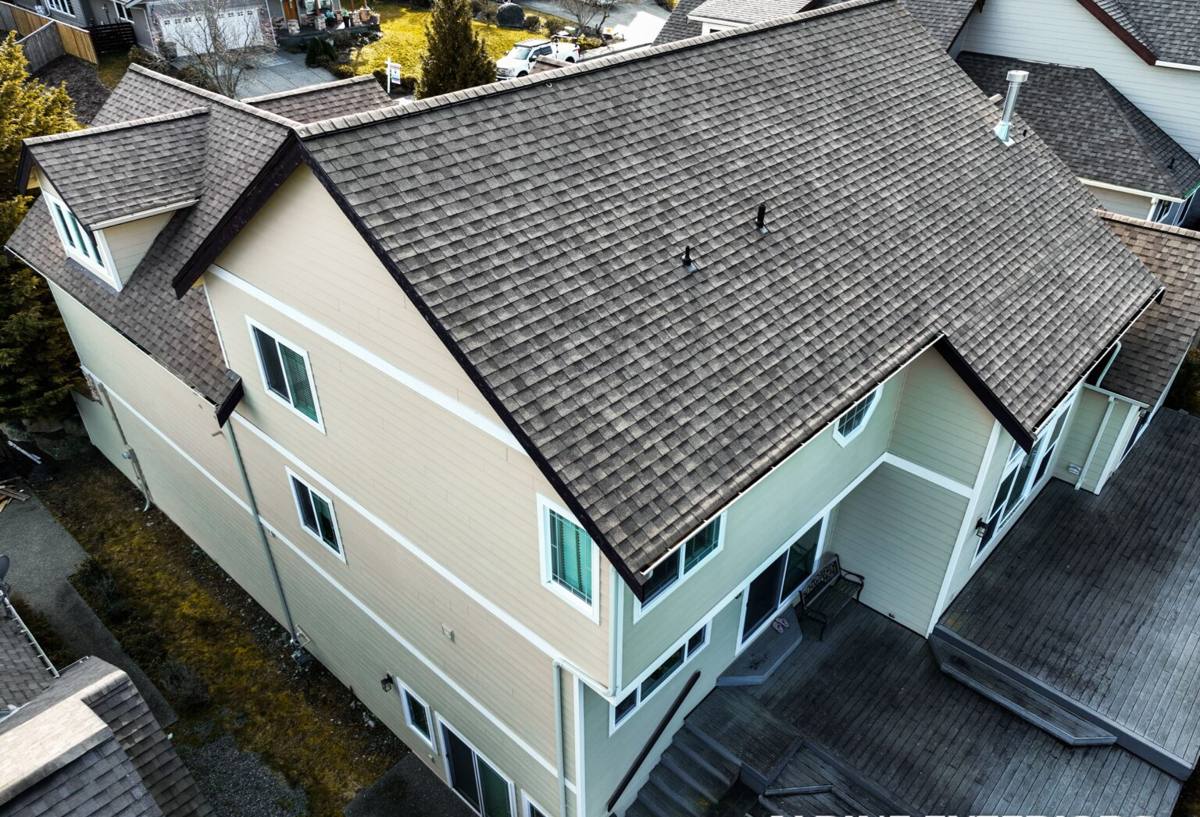
What Silver Beach Homes Typically Need
No two decks fail the same way, but a few issues show up again and again in this part of Bellingham:
- Corroded or failing fasteners — nail heads popping, screws rusting through, especially on decks more than 12-15 years old
- Soft or spongy decking boards where moss and standing water have kept wood wet for extended periods
- Rot at the ledger board (where the deck attaches to the house) from years of water tracking behind flashing
- Loose or wobbly railings and posts, often from moisture working into post bases over time
- Stair stringers that have weakened from splash-back and ground moisture
- Moss and algae buildup making the deck surface slick and holding moisture against the wood
Whatcom County's climate is the common thread through nearly all of these. We get a lot of days where a deck simply doesn't dry out fully between rain events, and that persistent dampness is what turns a cosmetic issue into a structural one if it's left alone too long.
Salt Air and Hardware
Proximity to the water means metal hardware — nails, screws, joist hangers, post brackets — corrodes faster than it would on a deck further from the shoreline. Corroded fasteners lose holding strength quietly; the deck can look fine while the connections underneath are weakening. This is one of the first things we check, because it's also one of the easiest things to miss from a casual look at the surface.
Moss and Shade
Silver Beach has enough tree cover and marine-layer humidity that moss growth on decks is close to unavoidable without regular maintenance. Moss itself doesn't rot wood directly, but it holds moisture against the board surface far longer than bare wood would stay wet, and that extended dampness is what invites soft spots and decay, particularly in the board grooves and around fastener heads.
What a Correct Deck Repair Actually Involves
A repair that just replaces the board you can see is a temporary fix. A correct repair starts with figuring out how far the damage actually extends, because rot and fastener corrosion rarely stop exactly where the visible damage stops.
1. Full Structural Assessment
Before any board comes off, we check the framing underneath — joists, ledger board, posts, and beam connections. Surface boards can look fine while the structure supporting them has already lost integrity. We probe suspect areas, check fastener condition, and look for water tracking patterns that point to a source, not just a symptom.
2. Identify the Water Source
Nearly every deck repair call in this area traces back to water getting somewhere it shouldn't — behind ledger flashing, under a rail post base, into an end-grain cut that was never sealed. Replacing a board without fixing the water path means you're scheduling the same repair again in a few years.
3. Match or Upgrade Materials
Where we replace boards, we match species and treatment where that makes sense, or recommend an upgrade where the original material clearly wasn't holding up to local conditions. For hardware, we use fasteners rated for coastal and treated-lumber exposure — standard interior-grade hardware is one of the more common causes of early repeat failure we see in decks near the water.
4. Address Drainage and Airflow
A deck that dries out between storms lasts far longer than one that stays damp. Where board spacing, gutter runoff, or grading is trapping water against the structure, we address that as part of the repair — not as an optional add-on.
Repair vs. Replacement: How We Make the Call
Homeowners often ask whether a deck should be repaired or rebuilt. The honest answer depends on how much of the structure is still sound.
| Factor | Repair Likely Makes Sense | Replacement Worth Considering |
|---|---|---|
| Framing condition | Joists and beams are solid; damage is limited to a few boards or connections | Multiple structural members are soft or rotted |
| Age of deck | Under 15-20 years, built to a reasonable standard | Older deck already near the end of its practical service life |
| Extent of damage | Isolated to a section (a stair run, a few boards, one rail run) | Damage is spread across the whole deck surface and substructure |
| Fastener condition | Mostly sound, isolated corrosion | Widespread corrosion throughout hardware |
| Water source | Identifiable and fixable without major rework | Chronic drainage or flashing problem baked into the original build |
We'll always tell you honestly which side of that line your deck falls on. There's no benefit to us in talking someone into a full rebuild when a targeted repair will hold up fine, and there's no benefit in patching something that's going to need the same work again next year.
Our Process on a Silver Beach Deck Repair
- On-site inspection. We walk the deck, check the framing from underneath where accessible, and probe soft spots to find the actual extent of damage.
- Honest assessment. We tell you what needs to happen now, what can reasonably wait, and what the likely cost range looks like before any work starts.
- Scope and materials discussion. We talk through material options suited to this location — hardware rated for coastal exposure, decking that handles moisture and moss exposure reasonably well, and flashing details that keep water out of the ledger connection going forward.
- The repair itself. Removal of compromised material, correction of the underlying water or drainage issue, and installation of new boards, hardware, or framing as needed.
- Final check. We confirm the deck is structurally sound, railings are secure, and surfaces are safe to use before we consider the job finished.
Maintenance That Extends the Life of a Repair
A repair holds up longer when it's paired with basic upkeep suited to this climate. None of this requires much time or money, but it's the difference between a repair lasting five years and lasting fifteen.
- Clear leaves and debris from board gaps regularly, especially in fall and winter
- Treat moss growth early rather than letting it establish and spread across the deck surface
- Check railing posts and stair stringers once a year for any looseness or soft spots
- Keep gutters and downspouts directed away from the deck structure, not draining onto it
- Reseal or restain exposed wood on the schedule the product calls for — coastal exposure tends to shorten these intervals compared to inland homes
Why a Crew That Already Works Silver Beach Matters
A contractor who works this neighborhood regularly already knows the failure patterns before they open up a single board — where ledger rot tends to start, which hardware holds up and which doesn't, how much moss buildup is normal versus a sign of a deeper moisture problem. That local pattern recognition means a faster, more accurate assessment and fewer surprises once the work is underway.
It also means accountability. We're not a crew passing through for one job — we work throughout Bellingham and Whatcom County, and a repair with our name on it is one we expect to hold up. If something isn't right after the work is done, we're not hard to find.
What to Expect Cost-Wise
Deck repair costs vary widely depending on scope — a handful of board replacements and hardware upgrades is a different job than addressing rot at the ledger or rebuilding a stair run. Rather than quote a number that doesn't reflect your actual deck, we'll give you a clear, itemized estimate after the inspection so you know exactly what you're paying for and why.
Get an Honest Look at Your Deck
If your deck in Silver Beach has soft spots, loose railings, persistent moss, or you're just not sure how much life it has left, we're glad to come take a look. The estimate is free, there's no pressure attached to it, and you'll walk away with a clear picture of what your deck actually needs — use the form below to get started.