 Bellingham Exterior
 Windows Built for Silver Beach's Weather, Not Just Its View
Silver Beach homes deal with a specific mix of conditions: salt-tinged air drifting off the water, wind-driven rain that hits window walls at an angle instead of straight down, and a moss season that seems to stretch longer every year. Windows here don't fail because they're old — they fail because water and moisture found a way in around the frame, through a tired seal, or under flashing that was never installed correctly in the first place. If you're planning a window replacement or new window installation in Silver Beach, the climate should shape almost every decision, from the glass package to how the rough opening gets flashed.
This page covers what Silver Beach homes specifically need from a window installation, what a correct job actually involves, how our process works, and why hiring a crew that already works this neighborhood — not just Bellingham generally — matters more than most homeowners realize.
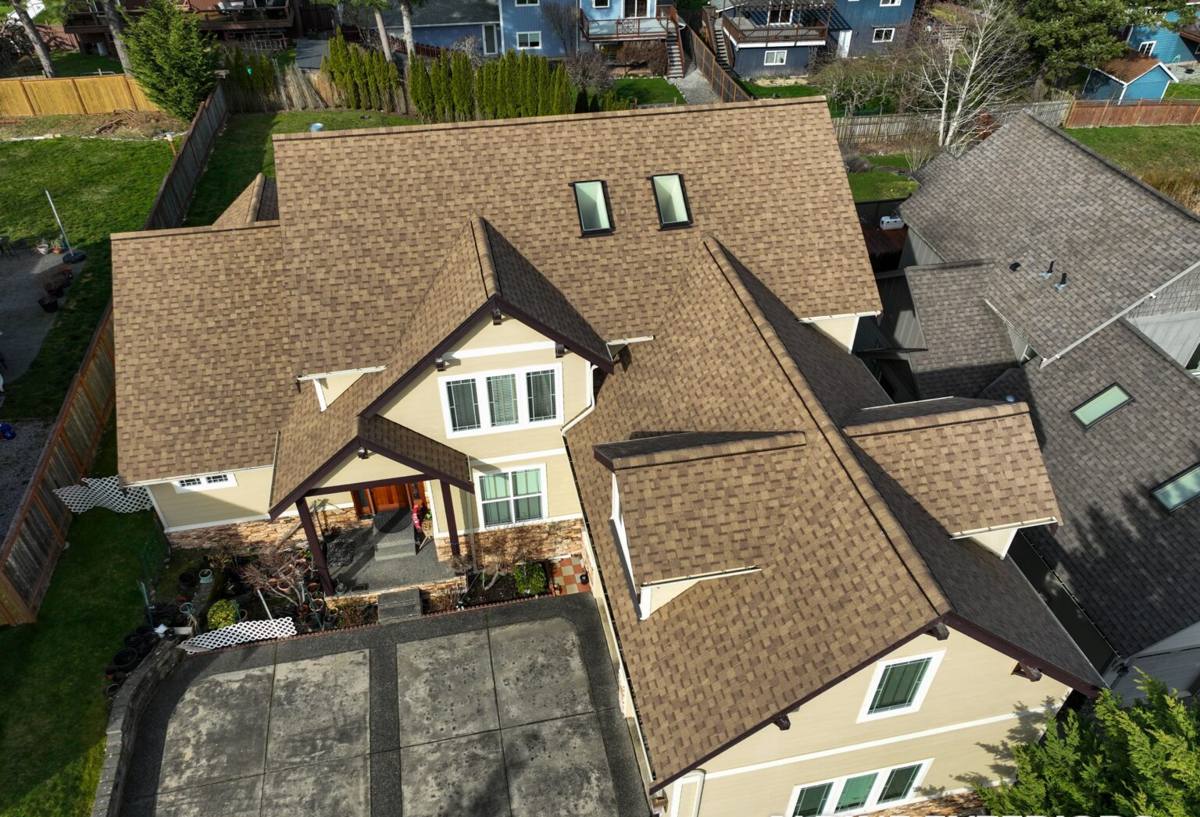
What Silver Beach's Climate Does to Windows
Salt Air and Metal Fatigue
Proximity to the water means airborne salt settles on everything, including window hardware. Over years, that salt accelerates corrosion on cheaper aluminum components, screws, and cranks. It also degrades certain sealants and finishes faster than the manufacturer's rating sheet assumes, because those ratings are usually based on inland testing conditions, not a coastal Whatcom County exposure.
Driving Rain and Wind-Loaded Water
Bellingham's rain rarely just falls — wind pushes it sideways into window walls, especially on the water-facing and west-facing sides of a house. That means water pressure at the frame edges is higher than in a typical inland install, and it happens for a longer stretch of the year than most homeowners expect. A window and flashing detail that would be fine in a drier climate can leak here within a season or two if it's installed even slightly wrong.
Moss, Shade, and Trapped Moisture
A long moss season means more shaded, damp conditions around trim, sills, and anywhere water can sit rather than drain. Moss holds moisture against wood and vinyl surfaces far longer than open rain exposure alone would. Left unaddressed, that trapped dampness works into end grain, caulk joints, and any gap in the exterior envelope — which is exactly where an aging or poorly installed window is most vulnerable.
Signs a Silver Beach Home Needs Window Attention
- Fogging or a permanent haze between the panes (failed seal on double or triple glazing)
- Soft or discolored wood at the sill or lower frame corners
- Drafts you can feel near the frame edge, even with the window fully closed and latched
- Paint or caulk that's cracked, peeling, or pulling away from the frame
- Difficulty opening, closing, or latching windows that used to operate smoothly
- Visible moss or persistent green staining on the trim or sill
- A musty smell near the window on rainy days, suggesting moisture is getting behind the interior trim
Any one of these can be minor. Several at once, especially on the water- or weather-facing side of the house, usually points to a window and flashing system that's no longer doing its job.
What a Correct Window Installation Actually Involves
Swapping in a new window is the easy part. The work that actually determines whether it lasts happens in the rough opening, before the new window ever goes in.
1. Removal Without Damage
The old window and its surrounding trim come out carefully so we can see the condition of the framing underneath. This is where hidden rot or old water damage usually shows up — and it needs to be dealt with before anything new goes in, not covered over.
2. Framing and Sheathing Repair
Any soft, water-damaged, or compromised framing gets repaired or replaced. Installing a new window into a damaged opening just guarantees a repeat failure, often faster than the first time, because the sealing surfaces are no longer sound.
3. Flashing, Sealing, and Drainage Path
This is the step that matters most in a driving-rain climate. Flashing tape and building paper need to be layered correctly — always shingled so water sheds outward and down, never trapped behind a lap that runs the wrong direction. The sill pan needs a clear path for any water that does get past the window to drain back out, rather than pooling against the framing.
4. Setting, Shimming, and Fastening
The window gets set level, plumb, and square, shimmed at the manufacturer's specified points, and fastened per that manufacturer's instructions. An out-of-square install stresses the frame, strains the seals, and can cause the sash to bind or fail to latch fully — which then lets water and drafts in regardless of how good the window itself is.
5. Interior and Exterior Finish
Insulation goes into the gap between frame and rough opening — not packed too tight, which can bow the frame, and not too loose, which leaves a thermal gap. Exterior trim and caulking are finished to shed water, and interior trim is reinstalled or replaced to match the home.
Choosing the Right Window for a Water-Facing or Shaded Silver Beach Lot
| Factor | Why It Matters Here | What We Recommend |
|---|---|---|
| Frame material | Salt air accelerates corrosion on lower-grade metal hardware and fasteners | Vinyl or fiberglass frames with corrosion-resistant hardware |
| Glazing | Longer wet season means more heat loss through single or aging double pane | Double or triple pane with a low-E coating suited to our climate |
| Sill and flashing detail | Wind-driven rain pushes water against the frame at higher pressure | Sloped sill pan with a clear drainage path, properly shingled flashing |
| Exterior finish | Shaded, damp locations grow moss and hold moisture longer | Low-maintenance exterior cladding on the frame, minimal exposed wood trim |
| Hardware exposure | Cranks, locks, and tracks are the first parts to corrode near the water | Sealed or coated hardware rated for coastal exposure |
We don't push one brand as a blanket answer for every home. The right choice depends on the home's orientation, how exposed it is to wind and salt, and the budget. What we won't do is install a window system with known moisture-management weak points just because it's cheaper up front — a callback for a leak costs everyone more than getting the sill and flashing detail right the first time.
Full Replacement vs. Repair: How We Decide
Not every window on a Silver Beach home needs full replacement. We look at the frame condition, the glass, and the surrounding wall assembly before recommending anything.
- Repair may be enough when: the frame and surrounding framing are sound, but hardware, weatherstripping, or a single seal has failed
- Replacement is the better call when: there's rot in the frame or sill, the glazing has failed on multiple panes, or the window is original single-pane glass with no real thermal performance left
- Whole-house replacement makes sense when: several windows are the same age and showing the same wear pattern — batching the work usually costs less overall than fixing them one at a time as each one fails
Our Process for Silver Beach Homeowners
- On-site assessment — we look at each window's condition, the surrounding wall assembly, and the home's exposure to wind, rain, and shade
- Honest recommendation — repair, partial replacement, or full replacement, explained in plain terms with the reasoning behind it
- Written estimate — clear scope, materials, and timeline before any work starts
- Careful removal and framing check — old windows come out cleanly so we can inspect and repair the opening properly
- Correct flashing and installation — shingled flashing, a working drainage path, and a level, square, properly fastened window
- Finish work and walkthrough — trim, caulking, and a final check with you before we consider the job done
Why Local Experience in Silver Beach Specifically Matters
Bellingham is not one uniform climate zone. A window installer who mostly works inland, drier neighborhoods may not think twice about a detail that's non-negotiable for a home exposed to salt air and driving rain off the water. Silver Beach's mix of coastal exposure, shaded lots, and long wet stretches rewards contractors who've already seen how windows fail here — and adjust the flashing, sealing, and material choices accordingly, rather than following a generic installation checklist.
We also know that homes in this area were built across a range of decades, which means framing conditions, siding types, and past repair quality vary a lot from house to house. Showing up already familiar with those patterns means fewer surprises once the old window comes out — and a more accurate estimate from the start.
A Quick Checklist Before You Get an Estimate
- Note which windows feel drafty, fog between the panes, or are hard to operate
- Check for soft wood, peeling paint, or moss at the sills and trim
- Think about which side of the house takes the most wind and rain
- Decide if you're open to full replacement or want repair explored first
- Have a rough sense of your timeline, especially if you want work done before the wettest months
If you're weighing a window replacement or repair for a Silver Beach home, we're happy to take a look and give you a straightforward, no-pressure estimate — no obligation, just an honest read on what your windows actually need. Use the form below to get started.