 Bellingham Exterior
 Why Board & Batten Fits Sudden Valley Homes
Board and batten has a long history in the Pacific Northwest for a reason. The vertical lines read as clean and a little rustic at the same time, which suits the wooded, lake-adjacent setting of Sudden Valley better than a lot of siding profiles do. It also has practical roots — the batten strips were originally there to cover the seams between wide boards and keep weather out, and that job hasn't changed even though the materials have. On a lot backed up against trees or facing the water, board and batten tends to look intentional rather than decorative, which is part of why we get asked about it so often out here.
The tricky part is that board and batten is less forgiving of sloppy installation than standard lap siding. Every vertical seam is a potential water path, and the batten itself creates a small cavity that either drains properly or traps moisture against the wall. Get it right and you have a durable, low-maintenance exterior. Get it wrong and you're chasing rot and paint failure within a few years — and on a shaded lot, those problems show up faster than they would on an open, sunny street in town.
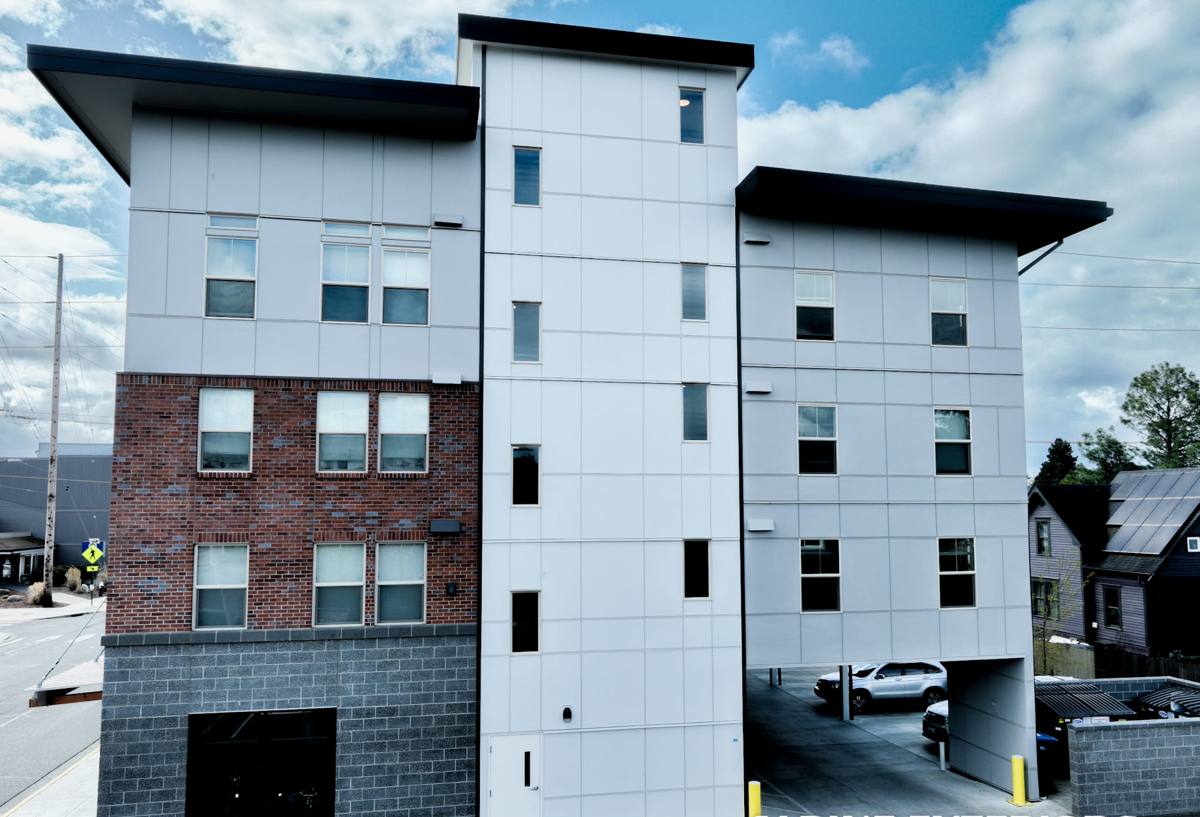
The Conditions Sudden Valley Siding Has to Stand Up To
Whatcom County's marine climate is hard on exterior materials in general — homes closer to Bellingham Bay deal with salt-laden air, driving rain that comes in sideways off the water, and a moss season that can run most of the year. Sudden Valley sits back from the saltwater, so direct salt exposure is usually less of an issue than it is for a bayfront property. What replaces it is a different set of pressures tied to the setting: heavy tree canopy, proximity to Lake Whatcom, and a lot of shaded, north-facing wall sections that simply don't get the sun exposure needed to dry out quickly after a storm.
That combination — shade, humidity, and slow-drying wall surfaces — is exactly the environment moss, algae, and mildew prefer. It also means paint and caulk on lesser materials tend to fail from the inside out, breaking down from trapped moisture rather than sun damage. Any siding product going on a shaded Sudden Valley wall needs to handle sustained dampness without swelling, delaminating, or feeding mold growth, and it needs a finish that holds up without constant repainting in a spot that may only get a few hours of direct sun on a good day.
What Correct Board & Batten Installation Actually Involves
A Real Drainage Gap Behind the Battens
The single most common mistake we see in board and batten installs — regardless of material — is fastening the battens flat against the panel with no drainage path behind them. Water that gets behind a batten needs somewhere to go. A correctly built assembly uses a rainscreen gap or furring behind the panel itself, plus attention to how the batten sits over the seam, so moisture can drain and the wall can dry instead of staying wet against the sheathing.
Batten Spacing and Fastening
Battens need consistent spacing for the look to read correctly, but spacing also affects how the wall performs. Fastener placement matters just as much — nails or screws driven in the wrong spot can split the batten, miss the framing, or create a point where water works its way in over time. This is a detail-heavy part of the job, and it's where rushed crews cut corners because it doesn't show up as a problem until a year or two later.
Flashing at Windows, Trim, and Butt Joints
Every window head, corner, and horizontal joint is a place where water wants to get behind the siding. Proper flashing and sealant at these transitions is what actually keeps a board and batten wall dry — the siding itself is really just the visible layer over a system that has to be built correctly underneath.
The James Hardie System We Install
We only install James Hardie fiber cement, and for board and batten that typically means HardiePanel vertical siding paired with HardieTrim boards used as the battens. It's a system engineered to work together — the panel, the trim, and the fastening specs are designed around each other rather than mixed and matched from different manufacturers.
A few things about the Hardie system matter specifically for a shaded, damp setting like Sudden Valley:
- It's fiber cement, not wood or wood-based — it won't swell, cup, or delaminate the way wood and engineered-wood products can when they stay damp for extended periods.
- Hardie's HZ10 product line is engineered for the wet, moderate climate zone that includes Western Washington, rather than a one-size-fits-all national spec.
- ColorPlus factory finish is baked on under controlled conditions, which holds up far better in shaded, slow-drying spots than field-applied paint — one of the main reasons homeowners end up repainting siding every few years in wooded settings.
- It's non-combustible, which is a real consideration during the region's smoke and dry-spell stretches in late summer, even though our bigger day-to-day concern here is moisture, not fire.
Correct installation still matters more than the product itself. Hardie siding installed without the rainscreen gap, proper fastening, and flashing details above will still have problems — the material buys you durability, not a pass on doing the job right.
Board & Batten Material Options Compared
| Material | Moisture & Moss Resistance | Maintenance | Fire Rating | Typical Lifespan, Installed Correctly |
|---|---|---|---|---|
| James Hardie fiber cement | Strong — won't swell or rot; factory finish resists mildew staining | Occasional wash; no repainting for years with ColorPlus | Non-combustible | 30+ years |
| Cedar board & batten | Moderate — natural rot resistance but absorbs moisture over time | Regular staining/sealing, more often in shade | Combustible | 15-25 years with upkeep |
| Engineered wood (e.g. LP SmartSide) | Depends heavily on sealed edges and cuts; vulnerable if compromised | Periodic repainting and edge inspection | Combustible | 20-30 years, install-dependent |
| Vinyl board & batten | Won't rot, but traps moisture behind it; can warp with heat/cold cycling | Low, but can't be repainted to refresh | Combustible, can deform in heat | 15-25 years |
We only install the first row of that table. We're not going to pretend cedar or engineered wood are bad products across the board — they have real strengths — but we've made a professional call that fiber cement is the better long-term fit for the moisture and shade conditions common around here, and we'd rather stand fully behind one system we know than split our expertise across several.
Our Process for a Sudden Valley Project
Because Sudden Valley is a private, gated community, we build site visits and material deliveries around that access from the start rather than figuring it out on install day. Many properties here also fall under community design guidelines or an HOA review process, and permitting runs through Whatcom County rather than the City of Bellingham, since the neighborhood sits outside city limits. We handle that coordination as part of the estimate, not as an afterthought once the job is already scheduled.
On the technical side, our process looks like this:
- Walk the exterior and note shaded walls, tree cover, drainage patterns, and any existing moisture or moss damage.
- Confirm batten layout, reveal, and color against any community design requirements.
- Pull permits and, where applicable, submit for HOA or design review sign-off before work begins.
- Prep the wall with proper rainscreen furring and weather-resistive barrier.
- Install HardiePanel and HardieTrim battens to Hardie's HZ10 fastening and clearance specs.
- Flash and seal all windows, corners, and penetrations before final trim goes on.
- Walk the finished job with the homeowner and go over basic care.
What to Ask Before You Hire for a Board & Batten Job
- Are you licensed, bonded, and insured to work in Washington State?
- Have you installed board and batten specifically, not just lap siding, and can you explain how you handle the drainage gap behind battens?
- Are you James Hardie certified, and do you follow the HZ10 fastening and clearance specifications?
- Have you worked inside Sudden Valley or comparable gated/HOA communities, and do you know the local permitting and design review steps?
- What does the written warranty cover — labor, product, or both — and for how long?
- Can you walk me through how you'll flash windows, corners, and butt joints before they're covered up?
Living With Board & Batten Long-Term in a Wooded, Lakeside Setting
Even a correctly installed system benefits from a little attention in a setting like this. Keeping tree branches and shrubs pulled back from the wall improves airflow and cuts down on the shaded, damp conditions that feed moss. Clean gutters matter more here than on an open lot — overflow running down a wall is one of the more common causes of streaking and localized moss growth we see on shaded homes. An occasional rinse-down keeps organic growth from getting a foothold, and it's worth a quick visual check after major storms for anything that looks loose or damaged around trim and flashing. None of this is heavy maintenance — it's the kind of upkeep that keeps a well-installed Hardie board and batten exterior looking the way it should for decades instead of years.
If you're weighing board and batten for a home in Sudden Valley, we're happy to take a look at your specific lot, talk through sun exposure and drainage, and put together a straightforward estimate — no pressure, no sales script, just what the job actually needs.