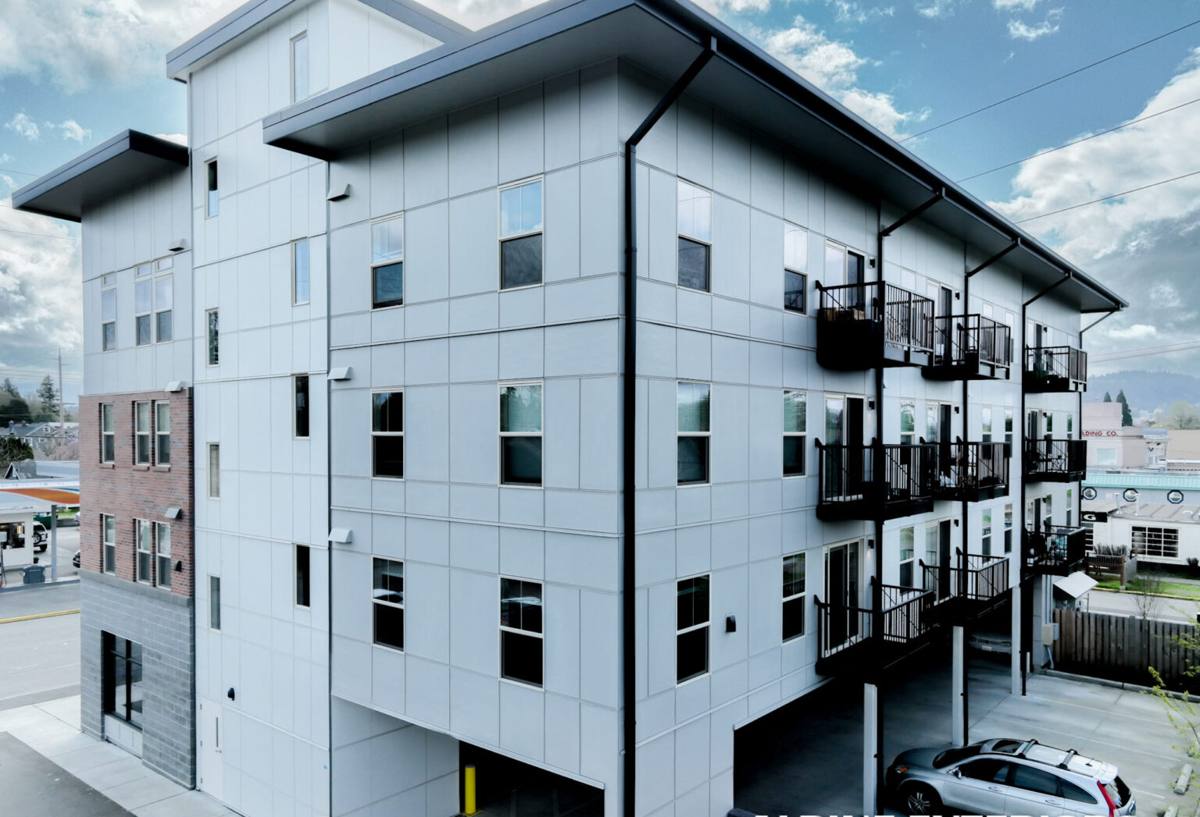
 Bellingham Exterior
 Siding Installation for Sunnyland Homes
Sunnyland is one of Bellingham's older, well-established residential neighborhoods, with a mix of home ages and styles — bungalows and mid-century houses alongside newer infill construction. That mix matters for siding work. A home built decades ago typically has a different wall assembly, different trim details, and often a different moisture history than a house built in the last fifteen years. A siding installer who treats every job the same, regardless of the house underneath, is setting the next owner up for problems. Our crew has worked enough houses in this part of Bellingham to know what to check before a single piece of siding goes up, and we tailor the install accordingly.
Why Bellingham's Climate Is Hard on Siding
Whatcom County sits in a marine climate that's mild on paper but tough on exterior materials in practice. Three things in particular wear down siding here faster than in drier parts of the country:
Salt Air
Bellingham Bay is close enough to much of the city, Sunnyland included, that salt-laden air is a real factor. Salt accelerates corrosion on fasteners, trim flashing, and any exposed metal components. It also settles into porous or poorly sealed siding surfaces over time, which is one reason factory-applied, baked-on finishes hold up better here than field-applied paint.
Driving Rain
This isn't a light-mist climate. Fall and winter storms push rain sideways against west- and south-facing walls, forcing water into every gap, seam, and fastener hole that isn't properly detailed. Siding that isn't installed with real attention to flashing, laps, and drainage will eventually let water behind it — and once water gets behind siding, the sheathing and framing pay the price, not just the surface material.
Moss Season
Bellingham's moss season is long — realistically much of the year on shaded or north-facing walls, especially where mature trees keep siding damp. Moss and algae hold moisture against the siding surface, which is a slow but steady threat to materials that aren't dimensionally stable or that absorb water readily. It's also just an appearance problem homeowners get tired of dealing with.
None of these conditions are unique to Sunnyland, but this is a neighborhood with enough tree cover and older housing stock that all three show up regularly on the jobs we run here.
What a Correct Siding Installation Actually Involves
Siding installation is not just cutting boards and nailing them to the wall. Done right, it's a system, and every layer of that system has to work together to keep water out and let the wall dry if moisture ever does get in. On a proper install we're paying attention to:
- Condition of the existing sheathing and framing before any new siding goes on
- A weather-resistive barrier installed correctly, with proper laps and sealed penetrations
- A rainscreen gap where appropriate, so water that gets behind the siding can drain and the wall can dry
- Correct flashing at every window, door, and roofline intersection — this is where most siding failures actually start
- Manufacturer-specified fastening: fastener type, spacing, and depth, not just "close enough"
- Proper clearance at the bottom of the wall, decks, and grade, so siding isn't wicking moisture from below
- Caulking and sealant used only where the manufacturer calls for it — not as a substitute for correct flashing
Skip any one of these steps and the siding might look fine for a year or two. The failures that show up five or ten years later — soft trim, stained sheathing, siding that's cupping or delaminating — almost always trace back to something skipped during installation, not a defect in the material itself.
Why We Install Only James Hardie Fiber Cement
We don't install vinyl, LP SmartSide, or other fiber cement brands. That's a deliberate standard, not a sales pitch, and it's worth explaining plainly.
James Hardie fiber cement is non-combustible, which matters increasingly to insurers and homeowners in the Pacific Northwest. It holds a factory-applied ColorPlus finish that's baked on and warrantied against fading and peeling — a meaningful advantage over field-applied paint in a climate where UV exposure, rain, and salt air all attack a painted surface differently. Hardie also builds region-specific HZ5 product formulations engineered for wetter, harsher climates like ours, rather than a single generic product sold everywhere.
Fiber cement in general resists moisture damage, pests, and rot better than wood-based siding products, and it doesn't expand and contract with humidity the way vinyl does — which matters when a wall is regularly wet from driving rain and then drying out again. Hardie's transferable warranty and long track record in real installations, not just lab testing, are why we standardized on this one product line instead of offering a menu of options. We'd rather install one product exceptionally well than several products adequately.
How Siding Materials Compare for a Sunnyland Home
| Factor | James Hardie Fiber Cement | Vinyl Siding | Wood / LP-Style Siding |
|---|---|---|---|
| Moisture resistance | Engineered for wet climates; HZ5 line built for the PNW | Won't rot, but seams and edges can trap moisture behind panels | Vulnerable to rot and swelling without diligent maintenance |
| Salt air performance | Factory finish resists corrosion-related fading and chalking | Can become brittle and discolored over time near salt air | Paint/coating breaks down faster near the coast |
| Fire resistance | Non-combustible | Combustible; can melt or warp under heat | Combustible |
| Moss/algae resistance | Dense, stable surface; moss cleans off without damaging the material | Moss grows readily in shaded, damp areas | Absorbs moisture where moss sits, accelerating decay |
| Finish longevity | Factory ColorPlus finish, warrantied | Color is through-body but can fade unevenly; not repaintable in the same way | Requires repainting/restaining on a recurring cycle |
| Typical lifespan when installed to spec | Multiple decades | Multiple decades, but performance varies | Shorter without consistent maintenance |
This isn't about declaring other materials worthless — vinyl and wood-based sidings have their place and their advocates. It's about why, for the climate our Sunnyland customers actually live in, we've concluded fiber cement is the material that holds up with the least long-term risk.
Our Installation Process
Every siding job we run in this neighborhood follows the same sequence, adjusted for the specific house:
- On-site assessment — we look at the existing siding, trim, and any visible water damage or moss buildup before quoting anything, since what's underneath changes the scope.
- Tear-off and sheathing check — old siding comes off and we inspect the sheathing underneath for rot or soft spots before covering anything back up.
- Weather barrier and drainage plane — a new weather-resistive barrier goes on correctly lapped, with a rainscreen gap where the wall assembly calls for one.
- Flashing at every penetration — windows, doors, hose bibs, vents, and roof intersections all get flashed before siding covers them.
- Hardie installation to manufacturer spec — correct fastener type, spacing, and clearances, following James Hardie's installation instructions rather than shortcuts.
- Trim, caulking, and final detailing — finished with attention to the visible details that make a siding job look intentional, not just functional.
- Walkthrough — we go over the finished work with the homeowner before calling the job done.
Choosing a Siding Contractor in Sunnyland
Because siding failures often don't show up for years, it's easy for a homeowner to hire the wrong crew and not find out until the damage is already behind the wall. A few things worth checking before you sign a contract:
- Ask specifically how they handle flashing at windows and rooflines — a vague answer is a red flag
- Confirm they're following the siding manufacturer's written installation instructions, not just "how we've always done it"
- Ask whether they inspect and repair sheathing before re-siding, or just cover over whatever's there
- Check that they're licensed and insured to work in Washington State
- Ask about warranty coverage — both the manufacturer's material warranty and the contractor's labor warranty
- Get a clear, written scope of work, not just a price
Caring for Hardie Siding After Installation
One advantage of correctly installed fiber cement is how little upkeep it demands compared to painted wood siding. In Sunnyland's climate, the main maintenance items are straightforward: an occasional gentle rinse to clear salt residue and dust, keeping gutters and downspouts clear so water isn't dumping against a wall section, and knocking back moss or algae on shaded walls before it builds up thick enough to hold moisture. None of this requires repainting on a cycle, and it's a fraction of the maintenance wood or vinyl siding tends to need over the same years.
If you're weighing a siding project for a Sunnyland home, we're happy to take a look and talk through what your house actually needs — no pressure, no obligation. Fill out the form below for a free estimate.