 Bellingham Exterior
 Building New in York? Get the Windows Right the First Time
New construction in and around the York area of Bellingham gives you one real advantage over a remodel: you get to install windows correctly from the start, before siding, trim, and interior finishes lock everything in place. That matters here more than in most parts of the country. Whatcom County sits in a marine climate where wind-driven rain, salt-laden air off the water, and a long, damp moss season put constant pressure on every seam in a building envelope. A window that's flashed and sealed right the first time will outlast the house's first re-roof. One that isn't will show it in five years as staining, soft trim, or a fogged sealed unit — and by then it's a repair job, not a punch-list item.
We install new-construction windows for builders, general contractors, and owner-builders working on lots in and around York. Our focus stays narrow on purpose: get the rough opening, the water management, and the window unit itself right, in that order, every time.
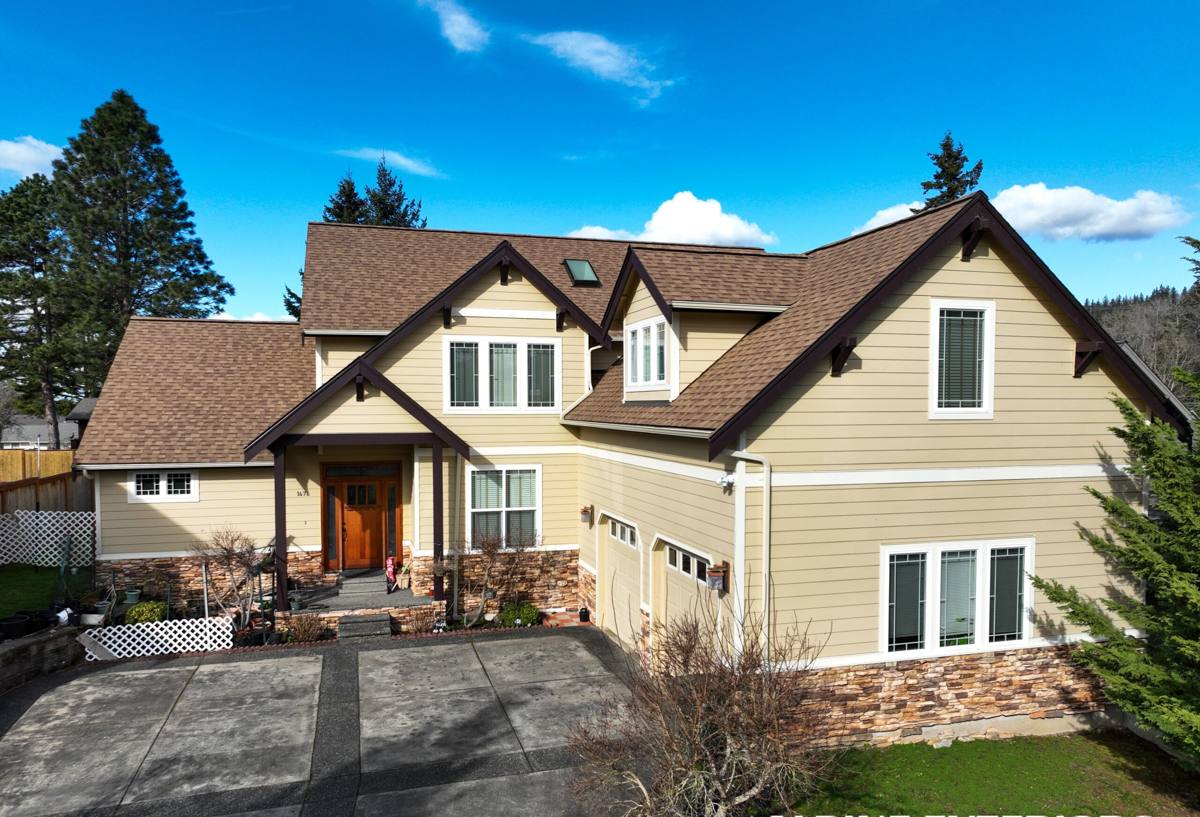
Why New-Construction Windows Are a Different Job Than Replacements
A lot of homeowners assume "window installation" is one skill. It isn't. New-construction windows use a nailing flange that gets integrated directly into the wall's weather-resistive barrier (WRB) and flashing system before siding goes on. Replacement windows, by contrast, get fitted into an existing finished opening with the exterior cladding left intact. The sequencing, the tools, and the failure points are completely different.
Working With Your Builder's Schedule
On new construction, window installation sits in a tight window of its own — after rough framing and WRB installation, before siding, exterior trim, and often before interior drywall. We coordinate directly with the general contractor or builder on site to hit that slot without holding up the rest of the schedule. Showing up too early means the opening isn't ready; showing up too late means we're fighting around siding crews or scaffolding that's already gone up.
Why This Stage Is Worth Getting Right
Every layer that goes over a window flange — housewrap laps, flashing tape, siding, trim — makes the next inspection or correction harder. On a replacement, a bad seal shows up as a leak you can trace and fix from inside a finished wall. On new construction, a bad seal at this stage gets buried under three more layers of material and won't show itself until water has already been finding its way in for a season or two. There's no do-over once the house is closed in.
What Correct Installation Actually Involves
"Correctly installed" isn't a marketing phrase — it's a specific, checkable sequence. Skipping or reordering any part of it is exactly how leaks start.
The Flashing Sequence That Stops Water
Water management on a new-construction window follows a shingle-lap principle: every layer overlaps the one below it, so water is always directed down and out, never trapped behind the WRB. That means, in order: a sloped sill pan flashing at the rough opening before the window ever goes in, back-dam protection at the sill, proper flange integration with the WRB laps above the head flashing and below the sill, and compatible sealants at the jambs — never at the sill, where a full bead would trap any water that gets past the primary defenses instead of letting it drain.
Why Compatibility Matters
Flashing tape, sealant, and housewrap don't all play well together. Some tapes fail to bond to certain WRB facings; some sealants degrade vinyl or clad-wood frames over time. We match products to what's actually on the wall rather than defaulting to whatever's in the truck, and we don't rely on caulk to do a flashing detail's job — that's one of the most common shortcuts we see on other crews' work, and it's the first thing that fails when driving rain hits a wall at an angle, which is a regular occurrence off the water here.
Choosing the Right Window for a York Lot
Frame material and glass package both affect how a window holds up against salt air and sustained damp. There's no single right answer for every lot — orientation, sun exposure, and how close the site sits to open water or prevailing wind all factor in — but the trade-offs are consistent enough to lay out plainly.
| Frame Material | Upfront Cost | Salt Air / Moisture Behavior | Maintenance |
|---|---|---|---|
| Vinyl | Lowest | Won't corrode or rot; performs well in coastal air | Low — occasional cleaning |
| Fiberglass | Mid to upper | Very stable dimensionally, strong resistance to moisture and salt exposure | Low |
| Wood-clad | Highest | Good if cladding and seals stay intact; exposed wood is vulnerable | Higher — watch cladding seams and touch-up interior wood |
| Bare wood/aluminum-clad older style | Varies | More exposure to corrosion (aluminum) or rot (unprotected wood) near salt air | Highest |
On the glass side, a good low-E coating with argon fill is standard practice for this climate — it manages solar heat gain on south and west exposures and cuts down on condensation risk on cooler surfaces, which matters when indoor humidity runs higher during our wetter months. We size glass packages to the window's orientation on the lot rather than using one spec across the whole house.
Our Process, Start to Finish
- Site walk and rough opening check — verify openings are square, plumb, and correctly sized before the windows arrive.
- Sill pan flashing — sloped, with back-dam, installed before the window ever sets in the opening.
- Window set and shim — leveled, plumbed, and fastened per manufacturer spec so the unit operates correctly for its lifespan, not just on install day.
- Flange and WRB integration — proper shingle-lap sequencing at jambs and head, compatible tape and sealant.
- Interior and exterior inspection — check operation, seals, and squareness before we sign off.
- Documentation — so the general contractor and homeowner both know exactly what's behind the siding.
What We Check Before We Call a Window Done
- Rough opening is square, plumb, and correctly sized — not forced or shimmed to fit
- Sloped sill pan flashing installed before the window, with a back-dam
- WRB laps correctly shingled above the head flange and below the sill
- Sealant used only where it belongs — jambs, not a full sill bead that traps water
- Window operates smoothly (opens, closes, locks) with no binding
- Manufacturer's installation instructions followed for fastening pattern and shim placement
- No visible gaps, twisted frames, or out-of-square units before siding covers the work
Common Problems We Find and Prevent
We get called in on both new builds and corrections to other crews' work, and the same handful of shortcuts come up again and again: sealant used in place of proper flashing, sill pans skipped entirely, WRB laps installed backwards so water runs behind the housewrap instead of over it, and windows shimmed to fit an opening that was never squared up correctly. Every one of these is invisible on install day and shows up later as staining, soft framing at the sill, or a window that's hard to operate within a year or two. Catching these before siding goes on is far cheaper than catching them after.
Living With the Climate: Moss, Salt Air, and Driving Rain
Even a correctly installed window needs a homeowner who knows what to watch for in this climate. Whatcom County's long wet season keeps moss and algae growth active on north-facing walls and horizontal trim for much of the year, and salt-laden air from the coast accelerates wear on exposed hardware and unprotected wood over time. A few habits go a long way: keep weep holes and drainage tracks clear of debris and moss buildup, rinse accumulated grit off exterior frames a couple of times a year, and check exterior caulk lines at trim joints (not at the sill, which should stay open for drainage) for cracking as the house settles in its first couple of years. None of this replaces a correct installation — it just protects the investment once the install is done right.
Why a Crew That Already Works in York Matters
New-construction window work in this part of Whatcom County isn't the same job as new construction in a dry inland climate. Crews that install here regularly know how prevailing wind and driving rain hit walls on different lot orientations, how long moss season runs, and how salt air changes the maintenance conversation with a homeowner. That local pattern recognition is what tells us to double up flashing detail on an exposed gable end, or flag a low-slope porch roof draining toward a window head before it becomes a callback. We're not learning this climate on your project — we already work it.
If you're building in York or elsewhere in the Bellingham area and want windows installed right the first time, we're glad to walk the site, look at your plans, and put together a straightforward, no-pressure estimate. Use the form below to get started.