 Bellingham Exterior
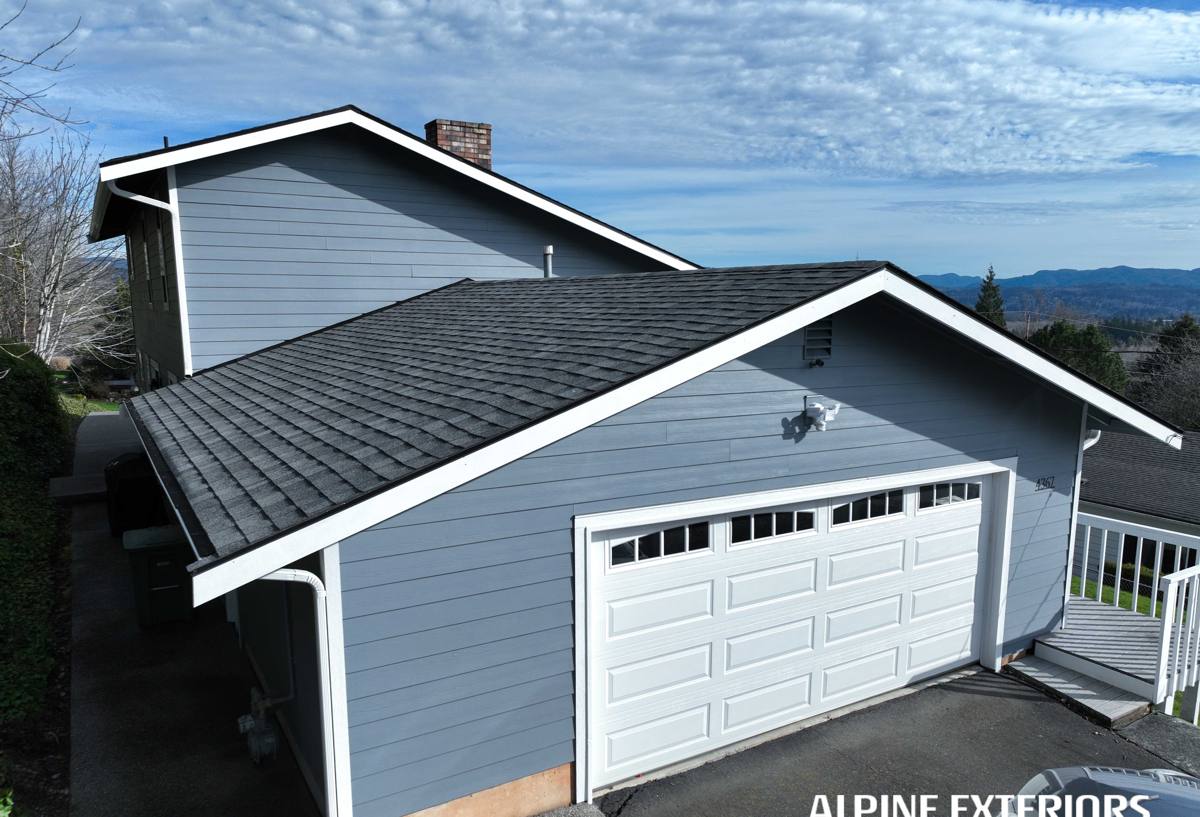
 New Roof Installation in Columbia, Built for Bellingham's Weather
Columbia is one of Bellingham's older, tighter-knit neighborhoods, and its housing stock reflects that — a mix of early-1900s bungalows, mid-century additions, and newer infill homes, many sitting close to the water and open to the weather rolling in off Bellingham Bay. A new roof here isn't a cosmetic upgrade. It's the single biggest factor in whether a home stays dry, efficient, and free of hidden rot for the next several decades. We install new roofs on Columbia homes with that reality front and center, not as an afterthought.
This page covers what a correct roof installation looks like for this specific neighborhood: the conditions your roof actually has to survive, what separates a proper install from a rushed one, and how our process works from the first estimate to final cleanup.
What Columbia Roofs Are Up Against
Whatcom County's marine climate is generally mild, but "mild" doesn't mean easy on a roof. Three factors do most of the damage over time, and they compound each other:
Salt Air and Moisture
Proximity to the bay means airborne salt and near-constant humidity. Salt accelerates corrosion on exposed metal fasteners, flashing, and vents. It also holds moisture against roofing surfaces longer than drier inland air would, which matters for how underlayment and metal components are chosen and installed.
Driving Rain
Bellingham doesn't just get rain — it gets wind-driven rain that hits roofs at an angle instead of falling straight down. That pushes water sideways under shingle laps, around vents, and into any flashing detail that was installed with a shortcut. A roof that would hold up fine in a calmer climate can leak here if the underlayment and flashing work weren't done to a wind-driven-rain standard.
A Long Moss Season
Shade from mature trees, consistent moisture, and mild temperatures give moss and algae a season that runs most of the year in Columbia's older, tree-canopied lots. Moss isn't just unsightly — it holds water against the roofing surface, lifts shingle edges as it grows, and works its way into fastener penetrations over time. A roof designed and installed with moss growth in mind lasts noticeably longer than one that wasn't.
Signs a Columbia Home Needs a New Roof — Not Another Repair
Not every roof problem calls for full replacement, and we'll tell you honestly when a repair is the right call. But certain signs mean patching is just delaying the inevitable, and often at a higher total cost:
- Granule loss heavy enough that you're finding shingle granules collecting in gutters or downspouts
- Shingles that are curling, cupping, or cracking across multiple sections of the roof, not just one isolated area
- Moss growth that keeps returning within a year or two of cleaning, especially along shaded north-facing slopes
- Daylight visible through the roof deck from inside the attic
- Soft or spongy spots underfoot when walking the roof, indicating deck rot
- Multiple past repairs in different areas, suggesting the roofing system as a whole is past its service life
- A roof nearing or past the manufacturer's expected lifespan for its material and local climate exposure
What a Correct New Roof Installation Involves
A roof is only as good as the layers you don't see once it's finished. Here's what we treat as non-negotiable on every installation in Columbia.
Full Tear-Off and Deck Inspection
We remove the existing roofing down to the deck rather than layering over it. This lets us inspect the sheathing for rot, delamination, or soft spots caused by long-term moisture intrusion — problems that are common in older Columbia homes and that a layover installation would simply seal in.
Underlayment and Moisture Barrier
Given the wind-driven rain this area sees, underlayment selection and installation matter as much as the visible roofing material. We use synthetic or self-adhering underlayment in vulnerable areas — valleys, eaves, and low-slope transitions — to give the roof a real second line of defense, not just a formality between the deck and the shingles.
Flashing at Every Transition
Chimneys, skylights, wall-to-roof transitions, and vent penetrations are where the overwhelming majority of roof leaks originate — not the open field of shingles. We install new flashing, not reused, at every one of these points, formed and sealed to shed sideways-driven rain rather than just vertical rainfall.
Ventilation That Matches the Home
Proper intake and exhaust ventilation keeps the attic temperature and moisture level balanced, which reduces condensation, extends shingle life, and helps prevent the kind of trapped moisture that feeds moss and mildew from underneath the roof deck as well as on top of it.
Roofing Material Options for Columbia's Climate
There's no single "best" roofing material — the right choice depends on your home's style, roof pitch, budget, and how much long-term maintenance you want to take on. Here's an honest comparison of the main options we install:
| Material | Typical Lifespan | Moss & Moisture Resistance | Relative Cost |
|---|---|---|---|
| Architectural asphalt shingle | 25–30 years | Good with algae-resistant granules; needs periodic cleaning in shaded areas | Lower to mid |
| Standard 3-tab asphalt shingle | 15–20 years | Fair; more prone to moss anchoring on textured surface | Lowest |
| Standing seam metal | 40–50+ years | Excellent; smooth surface sheds moisture and resists moss growth | Higher |
| Metal shake/shingle panel | 40–50 years | Very good; some texture but far less moss-prone than wood or asphalt | Mid to higher |
For homes under heavy tree cover — common throughout Columbia — metal roofing's smooth, moss-resistant surface often pays for itself in reduced maintenance over the life of the roof, even though the upfront cost is higher. For homes with more open sun exposure, a quality architectural shingle with algae-resistant granules is a solid, budget-conscious choice. We'll walk through the real trade-offs for your specific roof and lot during the estimate, not push a single product.
Our Installation Process
- On-site assessment. We walk the roof, check the attic, and evaluate deck condition, ventilation, and any moisture or moss issues specific to your property.
- Written estimate. You get a clear scope of work and pricing before anything is scheduled — no vague allowances or surprise add-ons discovered mid-job.
- Material selection. We go over the material and color options that fit your home, budget, and shade exposure.
- Tear-off and deck repair. Old roofing comes off, the deck is inspected, and any rotted or damaged sheathing is replaced before anything new goes down.
- Underlayment, flashing, and roofing installation. Each layer is installed to spec, with extra attention to valleys, penetrations, and any low-slope sections.
- Cleanup and final walkthrough. We clear debris, run a magnetic sweep for stray fasteners, and walk the finished roof with you.
Why Hire a Crew That Already Works in Columbia
A roofer who works this neighborhood regularly already knows which lots hold moisture longest under tree cover, which older homes tend to have undersized original ventilation, and how wind off the bay behaves against different roof orientations. That local familiarity shows up in fewer surprises during tear-off and a roofing system that's actually specified for the exposure your home gets — not a generic install that happens to be located in Bellingham.
It also matters for licensing, permitting, and warranty follow-through. Washington roofing work should be performed by a licensed, bonded, and insured contractor, and any manufacturer material warranty is only as good as the installer standing behind the workmanship on top of it.
Maintaining Your New Roof Through Moss Season
A well-installed roof still benefits from basic upkeep, especially given how long moss season runs here:
- Keep gutters and downspouts clear so water isn't backing up under the roof edge
- Trim back overhanging branches to reduce shade and debris buildup on north-facing slopes
- Have moss growth removed gently — pressure washing can strip granules and shorten shingle life
- Schedule a periodic visual check after major windstorms for lifted shingles or damaged flashing
- Address small leaks or missing granules promptly rather than waiting for them to spread
A new roof installed correctly for Columbia's climate should need very little beyond this kind of routine care for many years.
Ready for an Honest Look at Your Roof?
If your Columbia home's roof is showing its age, or you just want a straight answer on whether repair or replacement makes more sense, we're glad to take a look. Fill out the form below for a free, no-pressure estimate — we'll walk the roof, explain what we find, and give you options rather than a hard sell.