 Bellingham Exterior
 Building Decks That Hold Up in Silver Beach's Marine Climate
Silver Beach sits close enough to Bellingham Bay that salt air is part of daily life, not an occasional visitor. Combine that with Whatcom County's long wet season and the moss that comes with it, and a deck here has a harder job than the same structure would in a drier inland neighborhood. We build and replace decks for homes in this area regularly, and the material and fastener choices we make are shaped directly by what the bay air and the rain actually do to wood, metal, and composite over time.
A deck that looks fine on installation day can start showing problems within a couple of wet seasons if the wrong hardware or the wrong layout was used. Our goal on every Silver Beach project is the same: build something that still looks and performs well after five, ten, and twenty years of this specific climate, not just on the day we hand it back to you.
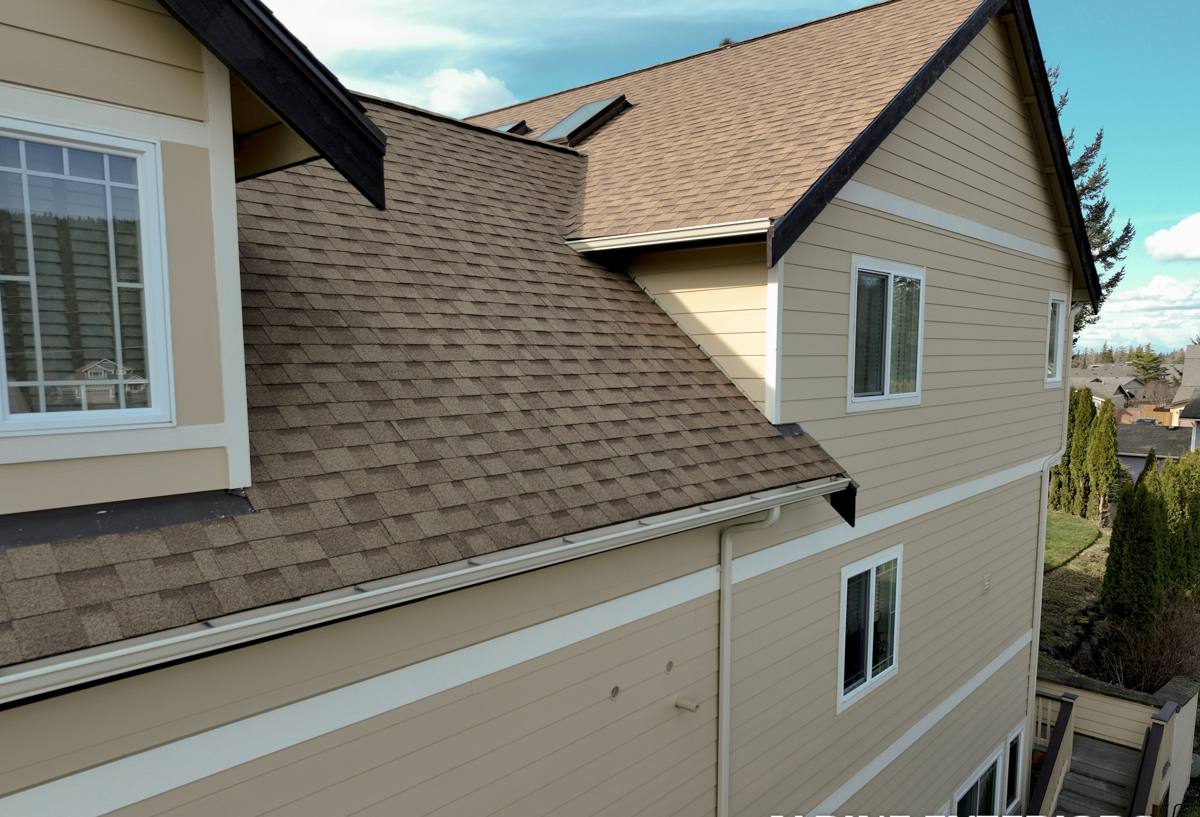
What Salt Air, Rain, and Moss Actually Do to a Deck
Salt-laden air accelerates corrosion on any metal component that isn't rated for it. Screws, joist hangers, and bolts that would be fine in a drier climate can start rusting and staining the wood around them within a few years near the water. Once a fastener starts to corrode, it loses holding strength long before the rust is visible from the surface, which is why we don't treat hardware selection as a minor detail.
Constant moisture from Bellingham's rainy months does its own damage. Wood that stays damp for extended periods is more prone to rot, especially at end grain, fastener penetrations, and anywhere two boards sit tight against each other without room to dry out. Add shade from mature trees or a north-facing exposure, common in this neighborhood, and you get the moss and algae growth that makes decking surfaces slick and starts breaking down the wood fibers underneath.
None of this means a deck in Silver Beach is doomed to fail early. It means the build has to account for drainage, airflow, and corrosion resistance from the start, rather than relying on paint or stain to cover for a design that traps water.
Choosing Decking Material for a Bayside Property
There's no single "best" decking material for every home — it depends on your budget, how much upkeep you're willing to do, and how close you are to direct salt spray versus just general bay-influenced humidity. Here's how the common options actually compare for this specific climate:
| Material | How it handles salt air & rain | Maintenance | Typical lifespan here |
|---|---|---|---|
| Pressure-treated wood | Good if properly sealed and re-sealed; end grain and fastener points need attention | Annual cleaning, re-sealing every 1-2 years | 15-20 years with upkeep |
| Cedar | Naturally rot- and insect-resistant, but still needs sealing against constant moisture | Regular cleaning, periodic sealing | 15-25 years with upkeep |
| Composite decking | Doesn't rot or absorb moisture; surface can still grow moss/algae in shaded, damp spots | Periodic washing, no sealing or staining | 25-30+ years |
| PVC decking | Fully moisture-proof; best resistance to mildew staining in shaded coastal spots | Occasional washing | 25-30+ years |
We're honest with clients about trade-offs rather than pushing one product. Composite and PVC cost more up front but remove the wood-rot risk entirely, which matters more here than in a drier climate. Cedar and pressure-treated wood cost less and give a more traditional look, but they only perform well if the homeowner keeps up with sealing — skip that in a wet, salt-air environment and you'll see problems sooner than the material's rated lifespan suggests.
A Note on Hardwood and Exotic Species
Some homeowners ask about tropical hardwoods for their density and appearance. They can perform well, but they're dense enough that standard fasteners and finishes don't always bond or seal the way they do on domestic species, and getting that wrong in a wet coastal climate causes surface checking and finish failure faster than the wood itself would fail. If you're considering one of these species, we'll walk through what proper installation actually requires before you commit to the cost.
Framing, Fasteners, and Hardware: Where Coastal Decks Actually Fail
Most deck failures we see don't start with the decking boards — they start underneath, with framing and hardware that wasn't specified for a marine-influenced environment. This is the part of the job that isn't visible once the deck is finished, which is exactly why it's worth getting right.
- Fasteners: stainless steel or high-grade coated fasteners rated for coastal/marine exposure, not standard exterior-grade screws that will corrode faster near the bay.
- Joist hangers and structural hardware: matched coating rating to the fastener — mixing incompatible metals accelerates corrosion on both.
- Footings: sized and set to Whatcom County frost and soil conditions, not just minimum code depth.
- Ledger board attachment: proper flashing so water doesn't get trapped between the deck and the house — one of the most common rot points on older decks.
- Joist tape or flashing on framing lumber: keeps standing water out of fastener penetrations, which is where hidden rot usually starts.
Cutting corners on any one of these items rarely causes an obvious problem in year one. It shows up in year five or six as rust streaks, a soft spot near the house, or a railing post that's gone spongy at the base — by which point it's a repair job instead of a maintenance item.
Railings, Guardrails, and Code Requirements
Railings take direct weather exposure and also carry real safety requirements under Washington's residential building code — height, baluster spacing, and load capacity aren't optional details. On top of meeting code, railing posts and connections near the bay need the same corrosion-resistant hardware as the rest of the structure, since a rusted-out post connection is a safety issue, not just a cosmetic one.
We also pay attention to how railing design affects water runoff and moss growth. A solid-panel or glass railing looks great but can trap moisture against the deck surface if drainage isn't considered; an open baluster design sheds water and dries faster, which matters more here than in a drier climate.
Drainage and Layout Choices That Prevent Moss and Rot
A lot of long-term deck problems trace back to layout decisions made before a single board was installed. In a climate with as much rain and shade-driven moss as Silver Beach gets, these choices matter more than they would elsewhere:
- Proper gap spacing between boards so water drains through instead of pooling on the surface
- Slight slope away from the house so water doesn't collect against the ledger
- Adequate under-deck ventilation so the framing can dry out between rain events
- Keeping decking clear of overhanging vegetation where practical, to reduce shade and debris buildup
- Picture-frame or perimeter board details designed so end grain isn't left exposed to standing water
None of these add significant cost to a project, but they make a real difference in how much moss and algae growth you'll see two or three winters from now, and how much scrubbing or pressure-washing it'll take to keep the deck looking good.
Permits and Local Code Considerations
Most new decks and significant deck replacements in Bellingham and unincorporated Whatcom County require a building permit, particularly when the deck is attached to the house, elevated, or involves structural framing changes. Requirements can vary depending on the deck's height, size, and location relative to property lines, so we handle the permit process as part of the job rather than leaving it for the homeowner to sort out. Building to code isn't just a formality here — it's what keeps footings, ledger attachment, and railings sized correctly for the loads and weather this area actually sees.
Our Process, Start to Finish
- On-site assessment: we look at sun/shade exposure, drainage, proximity to the water, and the condition of any existing structure before recommending materials.
- Honest material walkthrough: we lay out the real trade-offs between wood and composite/PVC options for your specific site and budget, no upselling.
- Design and permitting: we finalize layout, railing style, and structural details, then handle the permit submission with the local jurisdiction.
- Demo and framing: old structure removed if applicable, footings and framing built to spec with coastal-rated hardware throughout.
- Decking, railing, and finish work: installed with attention to drainage gaps, fastener placement, and clean sightlines.
- Final walkthrough: we go over the finished deck with you, including what maintenance it will actually need going forward.
Keeping a Silver Beach Deck in Good Shape Year-Round
Even a well-built deck needs some seasonal attention in this climate. A simple annual routine goes a long way:
- Clear leaves and debris from between boards and along the perimeter before the wet season sets in
- Pressure-wash or scrub with a deck-safe cleaner to remove early moss and algae growth before it spreads
- Check railing posts and stair stringers for any softness or movement
- Re-seal wood decking on the schedule appropriate to the product — don't wait until it's visibly gray and dry
- Inspect visible fasteners for rust streaking, which can signal a hardware issue worth catching early
Composite and PVC decks skip most of this beyond periodic washing, which is part of why they've become popular for waterfront and near-waterfront properties in this area — less time maintaining, more time using the deck.
Why a Crew That Already Works Silver Beach Matters
Deck-building fundamentals don't change from one neighborhood to the next, but the specific combination of salt exposure, rain volume, shade patterns, and soil conditions in Silver Beach does affect the decisions that go into a durable build. A crew that already works this part of Bellingham has seen which fastener grades hold up, which layouts drain well against this area's rain patterns, and which shortcuts show up as problems a few years down the road. That's the difference between a deck that needs real repair work in year six and one that's still solid in year twenty.
If you're planning a new deck or need to replace one that's showing its age, we're happy to come take a look and talk through what makes sense for your property. Fill out the form below for a free, no-pressure estimate — we'll give you a straight answer on materials, scope, and cost before any work begins.