 Bellingham Exterior
 Siding That Has to Work in Columbia's Climate, Not Just Look Good
Columbia sits close enough to Bellingham Bay that homes here take on a different kind of weather load than siding manufacturers assume in their generic spec sheets. Salt-laden air off the water, long stretches of driving rain pushed sideways by wind, and a shoulder-season moss cycle that can run from October through May all put real, cumulative stress on exterior cladding. Whatcom County's marine climate isn't dramatic in any single storm — it's the relentlessness of it that wears siding down. A product that performs fine in a drier inland climate can fail early here, and a product that's correctly rated for this kind of exposure can still fail early if it's installed wrong.
This page is specifically about fiber cement siding for Columbia homes — what the local conditions demand, what a correct installation actually involves, and how our process is built around this neighborhood rather than a one-size-fits-all approach.
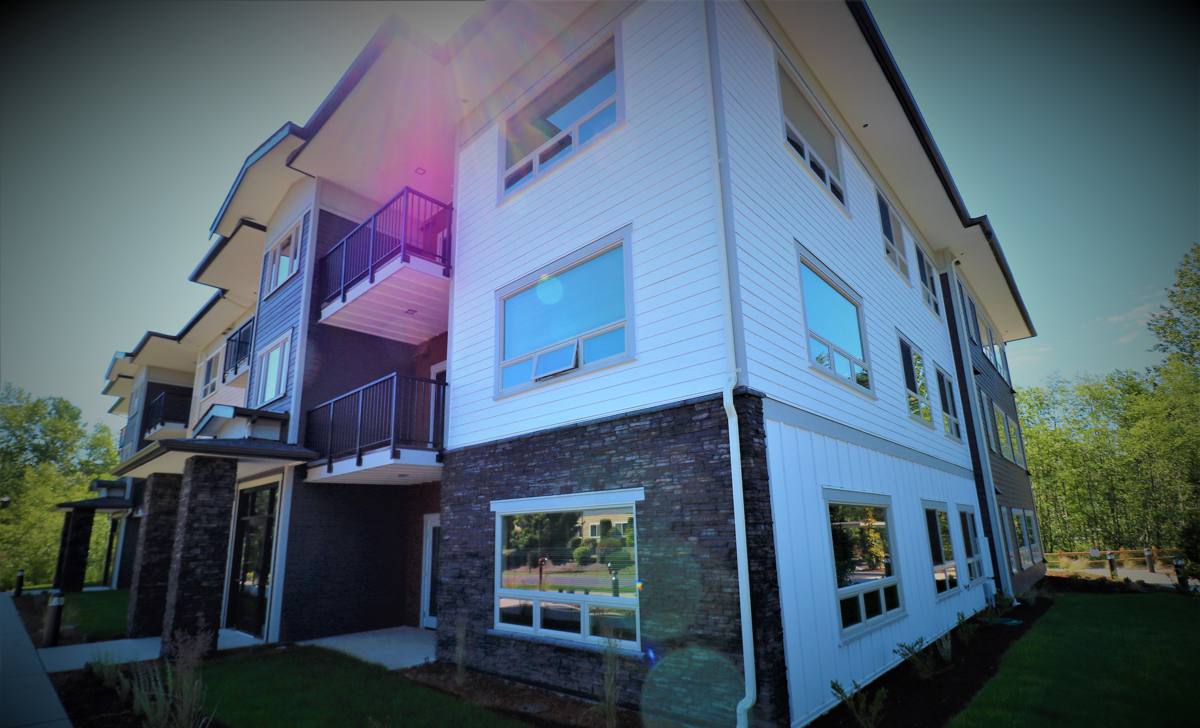
What Columbia's Microclimate Does to Exterior Siding
Salt Air and Moisture
Proximity to the bay means airborne salt settles on exterior surfaces even on days without direct rain. Combined with the Pacific Northwest's high ambient humidity, this accelerates corrosion of fasteners, trim, and any metal flashing components. It also means paint films and factory finishes are under more chemical stress than they'd face in a landlocked neighborhood just a few miles inland.
Driving Rain
Bellingham's storms often come with wind, and wind-driven rain doesn't just wet a wall face — it gets pushed up and under laps, into gaps at trim, and into any seam that isn't properly sealed or shingled. Siding systems here need to shed water downward and outward at every horizontal and vertical joint, not just resist a light drizzle falling straight down.
The Long Moss Season
Shade from mature trees, north-facing walls, and consistent dampness give moss and algae a long growing window in Columbia — often eight months of the year or more. Moss holds moisture directly against the siding surface, and on materials that aren't dimensionally stable or properly finished, that sustained dampness is where rot, swelling, and coating failure start.
Why We Only Install James Hardie Fiber Cement Here
We install exclusively James Hardie fiber cement siding — not vinyl, not LP SmartSide, not Cemplank, not Allura, not primed wood, not cedar. That's a deliberate standard, not a brand preference for its own sake, and it matters more in a place like Columbia than it would in a milder climate.
- Non-combustible core: fiber cement doesn't feed a fire the way wood-based or wood-adjacent products can.
- Engineered for moisture cycling: Hardie's HZ5 product line is formulated and tested for wet, freeze-thaw-adjacent climates like ours, not just generic "exterior use."
- ColorPlus factory finish: baked-on coating that resists the fading and chalking that field-applied paint struggles with under constant damp/UV cycling.
- Dimensional stability: resists the swelling and warping that lets moisture-holding moss growth turn into structural damage over time.
- Strong transferable warranty: backed by a manufacturer with decades of performance data in wet coastal climates, not a shorter or thinner warranty structure.
We're honest that other products have real strengths — vinyl is inexpensive, cedar has a look some homeowners love, LP SmartSide is lighter to handle. But for a Columbia home facing salt air, driving rain, and a long moss season, we've made the professional call that Hardie's moisture performance, finish durability, and non-combustible composition are what we're willing to put our name behind.
What a Correct Fiber Cement Job Actually Involves
Fiber cement siding is only as good as its installation. Most siding failures we get called to inspect trace back to installation shortcuts, not the product itself. In Columbia's conditions, the details below aren't optional extras — they're what separates siding that lasts decades from siding that needs attention in five years.
Water Management Behind the Cladding
Correct installation starts with a drainable weather-resistive barrier and, where the wall assembly calls for it, a rainscreen gap that lets any moisture that gets past the siding drain and dry out instead of sitting against the sheathing. This is especially important on walls that face prevailing wind-driven rain or sit in shaded, slow-to-dry locations.
Flashing at Every Penetration
Windows, doors, hose bibs, light fixtures, and deck ledgers all interrupt the siding plane, and each one needs proper flashing integrated with the water-resistive barrier — not just caulk. Caulk is a maintenance item; flashing is the actual water management system.
Fastener Pattern and Clearance
James Hardie specifies exact nailing patterns, fastener types, and minimum clearances from grade, roofing, and other transitions. Skipping these specs voids manufacturer warranty coverage and is one of the most common corner-cutting issues we find on re-inspections of other contractors' work.
Caulking and Joint Treatment
Butt joints, trim intersections, and penetrations need the right sealant, applied correctly, at the right stage of installation — sealing over a joint that should be able to move or drain traps moisture instead of shedding it.
Factory-Finished Edges
Field-cut edges should be sealed with touch-up product to maintain the factory finish's protection at cut lines, which are otherwise a weak point for moisture intrusion.
Cost Factors for a Columbia Siding Project
Every home is different, so we don't quote pricing sight unseen, but these are the main factors that move the cost of a fiber cement job up or down:
| Factor | Why It Matters |
|---|---|
| Home size and wall complexity | More corners, gables, and dormers mean more cutting, flashing, and labor time |
| Current siding condition | Rot or sheathing damage found during tear-off adds repair scope before new siding goes up |
| Rainscreen requirement | Shaded, moisture-prone walls may need a drainage gap assembly, which adds a labor and material step |
| Trim and accessory scope | Corner boards, window trim, and fascia work are often bundled with a siding job |
| Access and site conditions | Tree cover, tight lot lines, or multi-story walls affect staging and labor time |
| Product line and profile | HardiePlank, HardieShingle, and panel systems carry different material and labor costs |
Signs Your Columbia Home's Siding Needs Attention
- Persistent moss or algae growth that returns quickly after cleaning
- Soft or spongy spots when you press on the siding, especially near the bottom courses or trim
- Paint that's peeling, bubbling, or chalking heavily rather than fading evenly
- Visible gaps, warping, or separation at butt joints and corners
- Staining or streaking below window sills and other penetrations
- Rust bleeding from fastener heads or trim
Any one of these on its own might be minor. Several together, especially on walls that face prevailing weather or sit in shade, usually mean moisture has been getting behind the cladding for a while.
Our Process for Columbia Siding Projects
We work in Columbia and the surrounding Bellingham neighborhoods regularly, which means we're not learning the local exposure patterns for the first time on your house. Our process:
- On-site assessment: we look at wall orientation, shade patterns, existing moisture damage, and current siding condition before we talk numbers.
- Written scope and product plan: which Hardie product line, profile, and color, plus any rainscreen or trim work the walls need.
- Tear-off and sheathing inspection: we don't cover up rot or damaged sheathing — it gets addressed before new siding goes on.
- Weather barrier and flashing installation: done to manufacturer spec at every penetration and transition.
- Siding installation to Hardie spec: correct fastening, clearances, and joint treatment throughout.
- Final walkthrough: we go over the finished work with you before calling the job done.
Why Hiring a Crew That Already Works Columbia Matters
A crew that's worked walls in this neighborhood before already knows which orientations tend to hold moss longest, which lot layouts create shaded, slow-to-dry wall sections, and how much wind-driven rain exposure to plan for on a given elevation. That's not something you can fully substitute with a generic installation manual — it changes decisions like where a rainscreen gap earns its cost and how aggressively to detail flashing on the weather-facing side of a house. Local experience also means faster response if something needs a warranty follow-up down the road, rather than waiting on a crew that has to drive in from out of the area.
Get a Free, No-Pressure Estimate
If your Columbia home's siding is showing wear, or you're planning ahead of a problem rather than reacting to one, we're glad to take a look and walk you through what your walls actually need. Use the form below to request a free estimate — no pressure, no obligation.