 Bellingham Exterior
 Siding Repair in Happy Valley: A Different Set of Problems
Happy Valley sits in one of Bellingham's more tree-covered, established residential pockets, and that shade is exactly what makes siding repair here different from a repair job out on an open, sun-exposed lot. Homes tucked under mature tree canopy dry out slower after every rain event. Combine that with Bellingham Bay's salt air moving through Whatcom County and the long, wet moss season the region is known for, and you get a specific pattern of siding failure: damp cladding that never fully dries, moss and algae holding moisture against the surface, and fasteners or trim slowly corroding behind paint that still looks fine from the sidewalk.
A siding repair in this kind of setting isn't just about patching a cracked board or replacing a section that got knocked loose. It's about understanding why that section failed in the first place, because in a shaded, damp microclimate like Happy Valley, the same failure will happen again in the same spot unless the underlying moisture problem gets addressed.
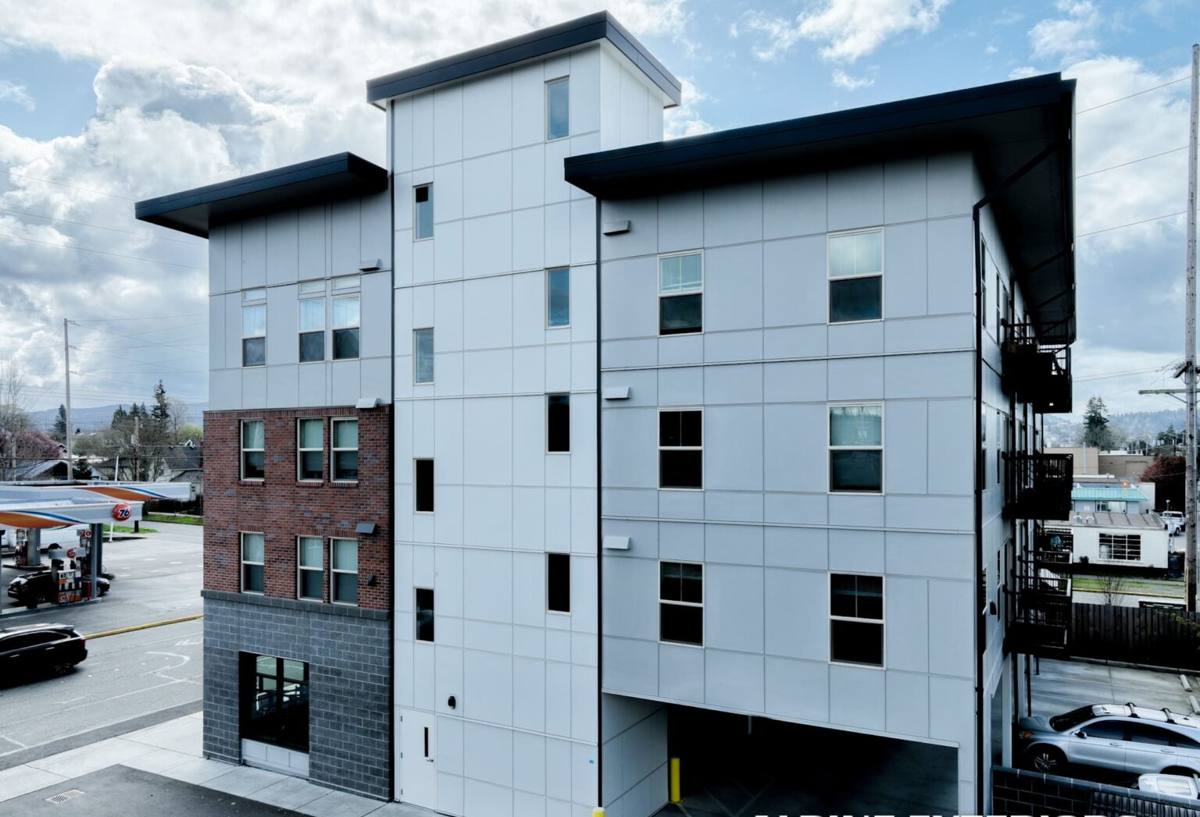
What Local Homes Are Actually Dealing With
We see a mix of siding types on Happy Valley homes, given the range of build eras in the neighborhood, and each one fails differently under these conditions.
Older wood and cedar siding
Wood siding under tree cover is the most vulnerable to rot, since it needs air movement and sun to dry out between rain events, and shaded lots simply don't give it that. Common repair points are butt joints, bottom courses near grade, and any spot where moss has been allowed to sit for a season or more.
Hardboard and composite siding
Older hardboard products are especially sensitive to prolonged moisture exposure. Once the surface finish is compromised, the substrate can swell, delaminate, or soften, and repairs in these areas need to address the moisture source, not just the cosmetic damage.
Vinyl siding
Vinyl doesn't rot, but it does crack in cold snaps, warp near heat sources like dryer vents, and pop out of its track in wind. In a neighborhood with a lot of tree cover, falling branches and debris are also a recurring cause of cracked or punctured panels.
Fiber cement siding
Fiber cement holds up the best of the group in this climate, but even it needs correct caulking, flashing, and paint maintenance at seams and penetrations to perform the way it's designed to.
What a Correct Siding Repair Actually Involves
A repair that only replaces the visible damaged piece and stops there is a repair that's likely to fail again. Doing it right means treating every repair as a small investigation:
- Confirm the moisture source — is it a failed flashing detail, a clogged gutter dumping water onto the wall, moss holding dampness against the siding, or a grading issue at the foundation line?
- Check what's behind the siding — house wrap and sheathing that have been wet for a long time can be soft or compromised, and covering that up with new siding without addressing it just hides the problem.
- Match the repair correctly — patching in a mismatched board, panel, or paint sheen creates a visible seam and can also create a new moisture entry point if the materials don't handle water the same way.
- Re-flash and re-seal properly — most repeat siding failures trace back to a flashing or sealant detail that was never corrected the first time.
- Verify fastening and structural support — loose or corroded fasteners are often the reason a section came loose or cracked in the first place.
Skipping any of these steps might make a repair look finished, but it doesn't make it last — and in a damp, shaded neighborhood, shortcuts show up again fast.
Repair or Replace? How We Make That Call
Not every damaged section needs a full re-side, and not every "small" repair should stay small. Here's how we generally think through it on Happy Valley homes:
| Situation | Usually a Repair | Usually Points to Replacement |
|---|---|---|
| Damage location | Isolated to one or two sections | Spread across multiple walls or elevations |
| Cause | Impact damage, one failed flashing detail, isolated moss buildup | Widespread moisture intrusion or systemic material failure |
| What's behind the siding | Sheathing and house wrap intact | Soft, delaminating, or water-stained sheathing found during repair |
| Siding age and material | Newer material, or fiber cement in good condition overall | Aging hardboard or wood nearing the end of its service life |
| Recurrence | First time this area has failed | Same area has been patched before and failed again |
Part of an honest repair visit is telling a homeowner when a patch is genuinely the right call and when it's just delaying a bigger decision. We'd rather say that upfront than have someone pay for a repair twice.
Our Process for a Happy Valley Siding Repair
- On-site inspection. We look at the damaged area and the surrounding siding field, plus contributing factors like tree cover, gutter performance, and grading — not just the spot that's obviously broken.
- Moisture and substrate check. Where damage suggests water intrusion, we check what's happening underneath before we quote anything, since that's what determines whether it's a simple repair or something larger.
- Clear scope and honest options. We explain what we found, what a repair would involve, and whether replacement is worth discussing — in plain terms, without pressure.
- The repair itself. Proper removal, moisture correction where needed, matched or compatible material, correct flashing and sealant detailing, and fastening to spec.
- Finish and follow-up. A repair should blend into the surrounding wall as closely as possible and hold up the same way the rest of the siding does.
Where James Hardie Fits Into a Repair Conversation
Our company installs only James Hardie fiber cement siding — we don't install LP SmartSide, vinyl, Cemplank, Allura, primed spruce, or cedar. That standard matters even on a repair call, for a practical reason: when a repair uncovers a section of aging hardboard, wood, or vinyl that's failed and is likely to keep failing, we're not going to patch it with more of the same material just to make the immediate problem disappear.
In those cases, we'll walk you through what a Hardie-based repair or partial replacement looks like for that section — non-combustible fiber cement with a factory-applied ColorPlus finish, engineered for wet regional climates, backed by a strong transferable warranty. For homeowners not ready for a full re-side, that might mean isolating the worst section now and planning the rest for later. We won't tell you that a full re-side is the only option when a targeted repair is genuinely sufficient — but we also won't paper over a material that's reached the end of its useful life just to close out a smaller job.
Signs It's Time to Have Your Siding Inspected
- Soft or spongy spots when you press on the siding
- Visible cracking, warping, or buckling in one or more sections
- Persistent moss or algae growth that keeps returning after cleaning
- Paint that's bubbling, peeling, or failing faster than the rest of the house
- Staining or streaking below seams, trim, or window and door openings
- A musty smell or visible moisture inside near an exterior wall
- Gaps opening up at seams, corners, or where siding meets trim
- Siding that's loose, rattling in wind, or missing a section entirely
Any one of these is worth a look before the next wet season sets in. Caught early, most of these are straightforward repairs. Left alone through another Whatcom County winter, they tend to grow into bigger ones.
Why Working With a Crew That Knows Happy Valley Matters
Siding repair isn't a one-size-fits-all trade. A crew that mostly works sun-exposed, open lots elsewhere in Bellingham can miss the specific failure patterns that show up on a shaded, tree-covered property — where moisture lingers longer, moss takes hold faster, and salt air off the bay adds its own slow wear on fasteners and finishes. Knowing what to check first, and why a section failed where it did, comes from having seen that pattern before on similar homes in similar conditions.
That local familiarity also means a more accurate first visit — less guessing, fewer surprises once the damaged siding comes off, and a repair scope that reflects what your home actually needs rather than a generic checklist.
Get an Honest Look at Your Siding
If you're seeing damage, staining, or persistent moss on your Happy Valley home, we're happy to take a look and give you a straight answer on what it needs — a targeted repair, a partial section replacement, or just a heads-up on something to watch. Request a free, no-pressure estimate using the form below, and we'll walk the property with you.