 Bellingham Exterior
 Cordata's Siding Problem Isn't Cosmetic — It's Water Management
Cordata sits inland from Bellingham Bay but still gets the full package of Whatcom County weather: long stretches of driving rain, damp marine air working its way off the water, and a moss season that can run from October through April in a wet year. None of that is unusual for this part of Washington. What matters is that siding here isn't just a color choice — it's a water-management system that either sheds moisture correctly for decades or slowly lets it in behind the wall assembly, where the damage is invisible until it isn't.
We install exclusively James Hardie fiber cement siding, and we don't treat that as a marketing line. It's a professional standard we hold because we've seen what happens to homes in this climate when the siding, the flashing details, or the installation itself cuts corners. This page is specifically about what a correct James Hardie job looks like on a Cordata home, not a generic overview of the product.
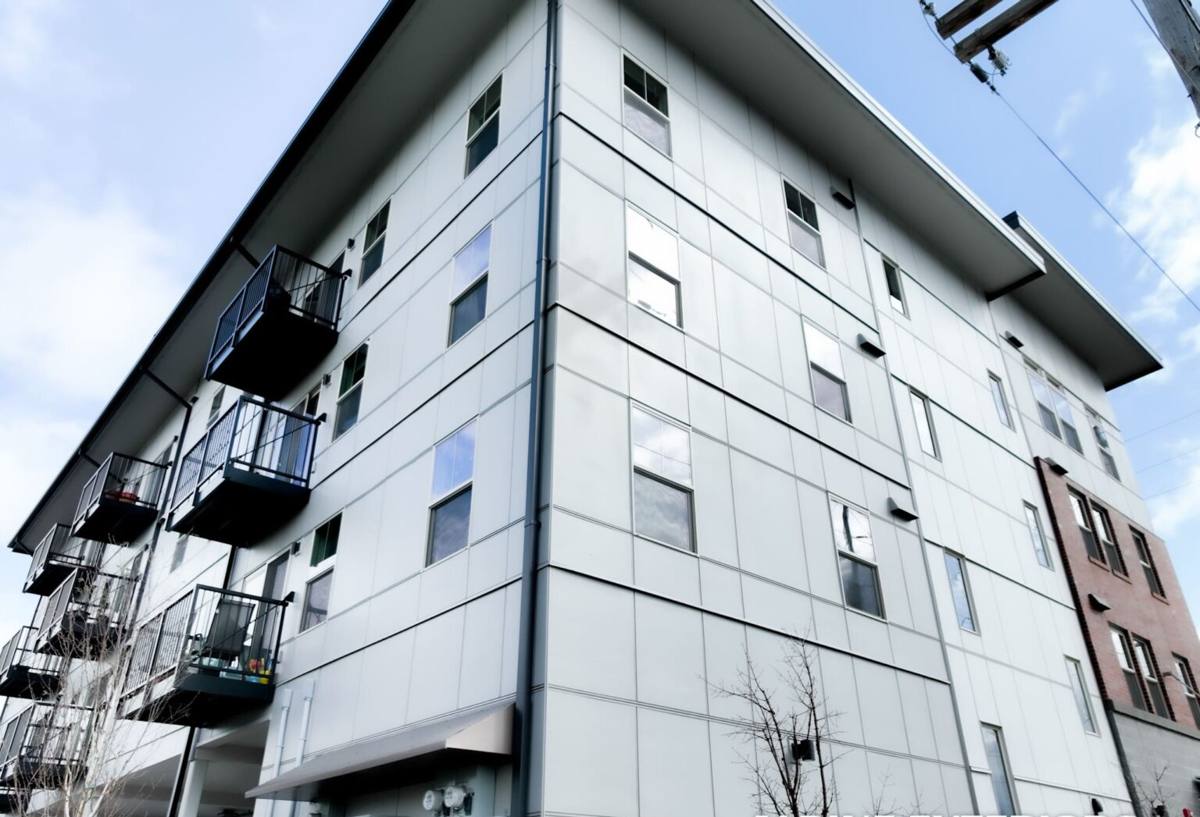
Why the Local Climate Changes the Calculation
Salt Air and Coastal Proximity
Homes closer to the bay deal with airborne salt that accelerates corrosion on fasteners, flashing, and any exposed metal trim. It also interacts with paint and caulk over time, which is part of why factory-applied, baked-on finishes matter more here than they would in a dry inland climate.
Driving Rain and Wind-Driven Moisture
Bellingham's rain doesn't just fall — wind pushes it sideways into wall assemblies, especially on west- and south-facing elevations. That means lap joints, butt joints, and every penetration (hose bibs, vents, light fixtures) are a potential entry point if they aren't flashed and caulked correctly.
Extended Moss and Algae Season
Shaded lots and tree cover, common around Cordata, keep siding damp longer after a storm. Prolonged dampness is exactly what moss and algae need to take hold, and it's exactly what breaks down siding materials that weren't engineered to handle repeated wet-dry cycling.
Why We Standardized on James Hardie for This Region
James Hardie fiber cement is non-combustible, dimensionally stable, and available in HZ5 climate-engineered formulations built for regions with significant moisture exposure — which the Pacific Northwest qualifies as. The ColorPlus factory finish is baked on under controlled conditions, which gives it better UV and moisture resistance than field-applied paint, and it comes with a longer color-fade warranty than most homeowners get from repainting a wood or engineered-wood product every several years.
We don't install LP SmartSide, vinyl, Cemplank, Allura, primed spruce, or cedar. Each of those has legitimate uses somewhere, but for the wet, salt-influenced, moss-prone conditions around Cordata, we've made a professional decision to standardize on one product system we can install to spec and stand behind — rather than juggling multiple products with different moisture tolerances and warranty terms.
Choosing the Right Hardie Product Line for a Cordata Home
Not every Hardie product is right for every house. Style, exposure, and budget all factor in. Here's how the common lines compare for a home in this area:
| Product | Best Use | Look | Notes for This Climate |
|---|---|---|---|
| HardiePlank Lap Siding | Most common full-house application | Traditional horizontal lap, smooth or cedar-textured | HZ5 formulation handles wet-dry cycling well; most versatile for varied elevations |
| HardiePanel Vertical Siding | Accent walls, gables, modern facades | Clean vertical lines | Fewer horizontal laps means fewer potential water-entry seams |
| HardieShingle | Accent gables, Craftsman-style detailing | Staggered or straight-edge shingle look | More seams than lap siding — flashing detail matters even more |
| HardieTrim | Corners, window and door trim, fascia | Smooth or textured boards | Matched expansion rate with panels reduces gapping over time |
Most Cordata homes end up with HardiePlank as the primary field material and HardieTrim for corners and openings, with HardiePanel or HardieShingle reserved for accent areas where the homeowner wants a different visual texture.
What a Correct Installation Actually Involves
The siding material is only part of the equation. We've re-sided homes in this area where the previous Hardie installation looked fine for a year or two, then failed at the details — not because the product was wrong, but because the installation wasn't done to manufacturer spec for this climate.
Water-Resistive Barrier and Flashing First
Before a single board goes up, the wall needs a correctly lapped weather-resistive barrier, properly flashed window and door openings, and flashing or drip caps above any horizontal trim or transition. This is the layer that actually keeps water out — the siding itself is the second line of defense, not the first.
Fastening and Clearances
James Hardie specifies fastener type, spacing, and placement, along with minimum clearances from grade, roofing, decks, and other surfaces. Skipping clearance requirements is one of the most common shortcuts we see, and it's a direct path to moisture wicking into the bottom of the boards over a wet Whatcom County winter.
Joints, Caulking, and Butt Joint Treatment
Butt joints and any place two boards meet need to be treated correctly — factory-primed cut ends sealed, joints caulked with a product rated for the application, not just whatever's on the truck. Left untreated, these are the first places moss and rot show up.
Painting and Touch-Up
ColorPlus finishes are baked on at the factory, but field cuts expose raw material that needs proper edge sealing. If a homeowner chooses primed Hardie instead of ColorPlus, the field-applied paint needs to meet Hardie's specifications or the warranty terms can be affected.
Our Process, Start to Finish
- Initial assessment: We walk the exterior, check the current siding and sheathing condition, and look specifically at moisture-prone areas — north/shaded walls, ground contact points, and anywhere trim meets roofing.
- Scope and product selection: We recommend specific Hardie products and profiles based on the home's exposure, style, and your preferences, and walk through ColorPlus color options.
- Tear-off and sheathing check: Old siding comes off and we inspect the sheathing underneath for rot or existing moisture damage before anything new goes up — this step gets skipped by crews in a hurry, and it's where hidden problems get found or missed.
- Weather barrier and flashing installation: Correct lapping and flashing at every penetration and transition, done before siding starts.
- Hardie installation to manufacturer spec: Fastening, clearances, joint treatment, and trim work following James Hardie's published installation guidelines.
- Final walkthrough: We review the finished work with you, point out anything you should know for long-term maintenance, and confirm warranty registration.
Common Problems We See on Older Cordata Siding
When we're called out to look at failing siding in this neighborhood, a handful of patterns show up repeatedly:
- Moss and algae buildup on north-facing and shaded walls that were never an issue until nearby tree canopy matured
- Caulk failure at butt joints and trim intersections, letting water track behind the siding
- Siding installed with insufficient clearance from grade, decks, or roof lines, causing wicking and soft spots at the bottom courses
- Faded or chalking paint on field-painted (non-factory-finished) siding after just a few Bellingham winters
- Warped or delaminating engineered-wood siding on walls with heavy rain exposure
Most of these are installation or product issues, not something inherent to every siding material — but they're exactly the failure modes that a climate-engineered, factory-finished fiber cement system and correct installation are designed to avoid.
Maintenance Checklist for Hardie Siding in This Climate
James Hardie siding is low-maintenance compared to wood or engineered wood, but "low-maintenance" isn't "no-maintenance" in a climate like ours. A simple annual routine goes a long way:
- Rinse siding gently once or twice a year to remove pollen, dust, and early moss growth before it takes hold
- Walk the exterior after major windstorms and check for cracked caulk, loose trim, or visible gaps at joints
- Keep gutters clear so overflow doesn't run down siding repeatedly during heavy rain
- Trim back vegetation and tree limbs that keep siding shaded and damp longer than necessary
- Watch for any soft spots or discoloration near ground level, decks, or roof-to-wall transitions
- Repaint field-painted (non-ColorPlus) siding on the manufacturer's recommended schedule rather than waiting for visible failure
Cost Factors Homeowners Should Understand
Every home is different, but the factors that move the price on a Cordata siding job are fairly consistent:
| Factor | Why It Matters |
|---|---|
| Existing sheathing condition | Rot or moisture damage found during tear-off adds repair scope before new siding can go on |
| Home complexity | Multiple gables, dormers, and trim details increase cutting, fitting, and flashing work |
| Product mix | Combining lap siding with panel or shingle accents costs more than a single product throughout |
| ColorPlus vs. primed | Factory-finished ColorPlus costs more upfront but avoids a repaint cycle within a few years |
| Access and site conditions | Tight lots, mature landscaping, or multi-story walls affect staging and labor time |
We give straightforward estimates that break out these factors rather than a single lump number, so you know what's driving the cost.
Why Hiring a Crew That Already Works in Cordata Matters
A siding installer who already works this neighborhood and the surrounding Bellingham area knows what the marine layer, the rain patterns, and the moss season actually do to a wall assembly over time — not in theory, but from having opened up older siding and seen the results firsthand. That local pattern recognition shows up in small decisions: where to add extra flashing attention, which elevations need more clearance, which details get shortcuts elsewhere. It also means we're familiar with Whatcom County permitting expectations and typical home construction styles in the area, so there are fewer surprises once tear-off starts.
If you're weighing a siding replacement or new construction siding for a home in Cordata, we're happy to walk the exterior with you, talk through what we see, and put together a straightforward, no-pressure estimate — no obligation, just a clear look at what your home actually needs.