 Bellingham Exterior
 Deck Building in Puget: What the Neighborhood's Conditions Demand
Puget sits close enough to the water that homeowners here deal with a different set of conditions than someone building a deck ten miles inland. Salt-laden air, wind-driven rain that gets pushed sideways under eaves and railings, and a moss season that can run from October well into spring all put extra stress on an outdoor structure. A deck built without accounting for these factors doesn't fail overnight — it fails slowly, in ways that are expensive to catch late: soft framing under a deck board that still looks fine, corroded fasteners that let a railing wobble, or a walking surface that stays slick with algae for months at a time.
Building a deck correctly in this part of Bellingham isn't about using exotic materials or overbuilding everything. It's about making a handful of decisions correctly at the start — material selection, fastener grade, drainage, and airflow underneath the structure — so the deck ages the way it's supposed to instead of the way coastal weather wants it to.
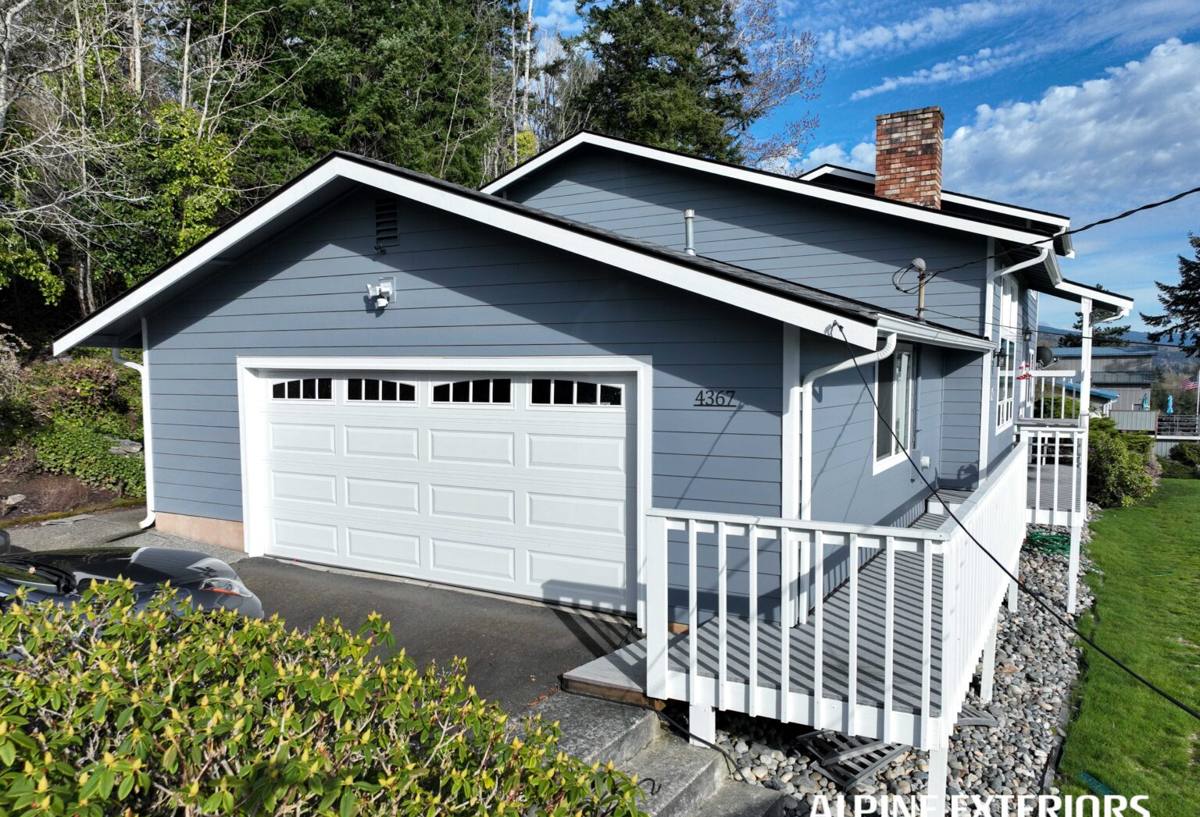
Why Salt Air and Moisture Change the Deck-Building Equation
Salt air accelerates corrosion on anything metal, and a deck has more metal in it than most homeowners realize: joist hangers, structural screws, post bases, railing brackets, and fastener heads. Standard hardware that would hold up fine in a drier inland climate can start showing rust streaks within a couple of seasons near the Sound. That corrosion doesn't just look bad — it weakens the connection points that are doing the actual structural work.
Driving rain is the second factor. Wind off the water pushes moisture into places a calm-climate deck design doesn't need to worry about: the underside of rail caps, the gap behind fascia boards, the top of posts where end grain is exposed. Water that gets into wood end grain and can't dry out is what causes rot, and in a marine climate the drying window between rain events is often short.
Moss and algae are the visible, everyday symptom of all that moisture. A deck surface that stays damp and shaded — which describes a lot of yards around Bellingham for a good chunk of the year — will grow a moss film that's more than cosmetic. It holds moisture against the decking material and turns stairs and walking surfaces slick and genuinely dangerous underfoot.
What This Means for a Puget Build
- Every fastener and structural connector needs to be rated for the exposure, not just "exterior grade."
- End grain and cut edges need to be sealed or protected, not left raw.
- Airflow under and around the deck matters as much as the decking material on top.
- Surface texture and drainage slope affect how much moss and algae actually take hold.
Choosing Decking Materials for This Climate
There's no single "right" decking material for every Puget home — it depends on budget, how much upkeep the homeowner wants to do, and how much shade and moisture exposure the specific site gets. What matters is understanding the honest trade-offs of each option in a wet, salt-air environment rather than picking based on price or looks alone.
| Material | How It Handles This Climate | Maintenance |
|---|---|---|
| Pressure-treated wood | Good rot resistance when properly sealed; needs re-sealing to keep moisture out of the grain | Annual cleaning, re-staining/sealing every 2-3 years |
| Cedar | Naturally moisture- and insect-resistant, but softer surface can hold moss if not cleaned | Regular cleaning, periodic oiling to prevent graying and cracking |
| Composite decking | Doesn't absorb moisture like wood, resists rot; surface texture affects algae grip | Periodic washing to clear moss/pollen film; no staining or sealing needed |
| PVC decking | Fully moisture-resistant, holds up well to salt air and rain exposure | Low — occasional washing |
Composite and PVC products cost more up front but remove the recurring sealing and staining work that wood requires — a real consideration if the deck sits in a shaded, moisture-heavy spot. Wood costs less initially and can look excellent, but only if the homeowner is realistic about the maintenance schedule needed to protect it in this climate. We'll walk through the actual site conditions — sun exposure, shade from trees, proximity to the water — before recommending one direction over another, because the right answer genuinely changes from yard to yard.
Framing and Substructure: The Part Nobody Sees But Everyone Relies On
The decking boards get all the attention, but the framing underneath is what determines whether a deck is safe and long-lived. In a marine climate, framing decisions matter more than they would somewhere drier:
- Joist protection — joist tape or a comparable moisture barrier over the top of each joist keeps rainwater from soaking into the wood through fastener holes and cut edges, which is one of the most common places rot starts.
- Ledger board flashing — where a deck attaches to the house, proper flashing keeps water from working its way behind the siding and into the wall structure. This is one of the most common failure points we see on older decks in wetter climates.
- Post bases — posts should sit on bases that keep the end grain off concrete and out of standing water, rather than being buried or set directly on a damp surface.
- Ventilation underneath — enough clearance and airflow under the deck lets it dry out between rain events instead of staying damp continuously.
None of this is visible once the decking is installed, which is exactly why it needs to be done right the first time. A deck that looks great on top but was framed without these details will show problems in the substructure years before the surface gives any warning.
Railings, Fasteners, and Hardware: Small Parts, Big Consequences
Railings and stairs take the most direct wind and rain exposure on a deck, and they're also the components people physically lean on and grab. Hardware quality here isn't a place to cut costs.
We spec stainless steel or coated corrosion-resistant fasteners and connectors for coastal-exposure builds rather than standard galvanized hardware, because the difference in corrosion resistance is significant over a 10-20 year deck lifespan. We also pay attention to how rail posts are anchored to the frame — a railing that's structurally tied into the framing, not just screwed to the fascia board, is what keeps it solid years down the road instead of developing play at the connection points.
Our Deck Building Process in Puget
- Site assessment — we look at sun exposure, drainage, tree cover, and proximity to salt air to inform material and hardware choices before anything is designed.
- Design and material selection — we walk through decking material options, layout, and railing style against the homeowner's budget and maintenance preferences.
- Permitting — we handle the permit application and inspection scheduling required for the build.
- Framing and structural work — ledger flashing, joist protection, post bases, and structural connections are installed to hold up under wet, coastal conditions, not just to pass a minimum code check.
- Decking, railing, and stair installation — surface materials and railings go in with attention to fastener spacing, drainage slope, and clean finish work.
- Final walkthrough — we review the finished deck with the homeowner, including a realistic maintenance schedule for the specific material chosen.
Permits and Code Considerations
Deck construction in Bellingham and Whatcom County generally requires a permit once the structure exceeds a certain height or size, and inspections are part of that process at key stages — footings, framing, and final. Requirements can shift based on the deck's height above grade, whether it's attached to the house, and other site-specific factors, so we confirm current requirements for each project rather than assuming last year's rules still apply. Skipping permitting on a structural deck build isn't worth the risk — it can complicate a future home sale and, more importantly, means the structural work never got an independent inspection.
Maintenance: What Keeps a Puget Deck Looking Good Season After Season
Even a well-built deck needs some seasonal attention in this climate, especially heading into and out of the wetter months. A short, consistent routine goes a long way:
- Sweep leaves and debris off the surface regularly — trapped organic matter holds moisture and feeds moss growth.
- Wash the deck surface at least once or twice a year to clear moss, algae, and pollen film before it builds up.
- Check railings and stair connections annually for any looseness or corrosion at fastener points.
- Reseal or re-stain wood decking on the schedule appropriate to the product — don't wait until it visibly needs it, since damage often starts before it's visible.
- Keep gutters and downspouts near the deck clear so runoff isn't draining directly onto or under the structure.
- Trim back overhanging branches to reduce shade and debris, which cuts down on moss significantly.
Why Choose a Crew That Already Works in Puget
A deck design that works fine in a dry inland climate can be the wrong call a few miles closer to the water. Fastener grade, flashing details, material selection, and even the slope of the decking surface all shift once salt air and driving rain are part of the picture. Working with a crew that's already built and maintained decks in this specific area of Bellingham means those decisions are informed by what actually holds up here, not by a generic build spec.
We'd rather walk your property, look at the sun and shade patterns, and talk through honest material trade-offs than push a one-size-fits-all package. If you're planning a new deck or replacing one that didn't hold up to Whatcom County weather, we're glad to take a look and put together a free, no-pressure estimate — just fill out the form below.