 Bellingham Exterior
 Why Sehome Decks Wear Out Faster Than People Expect
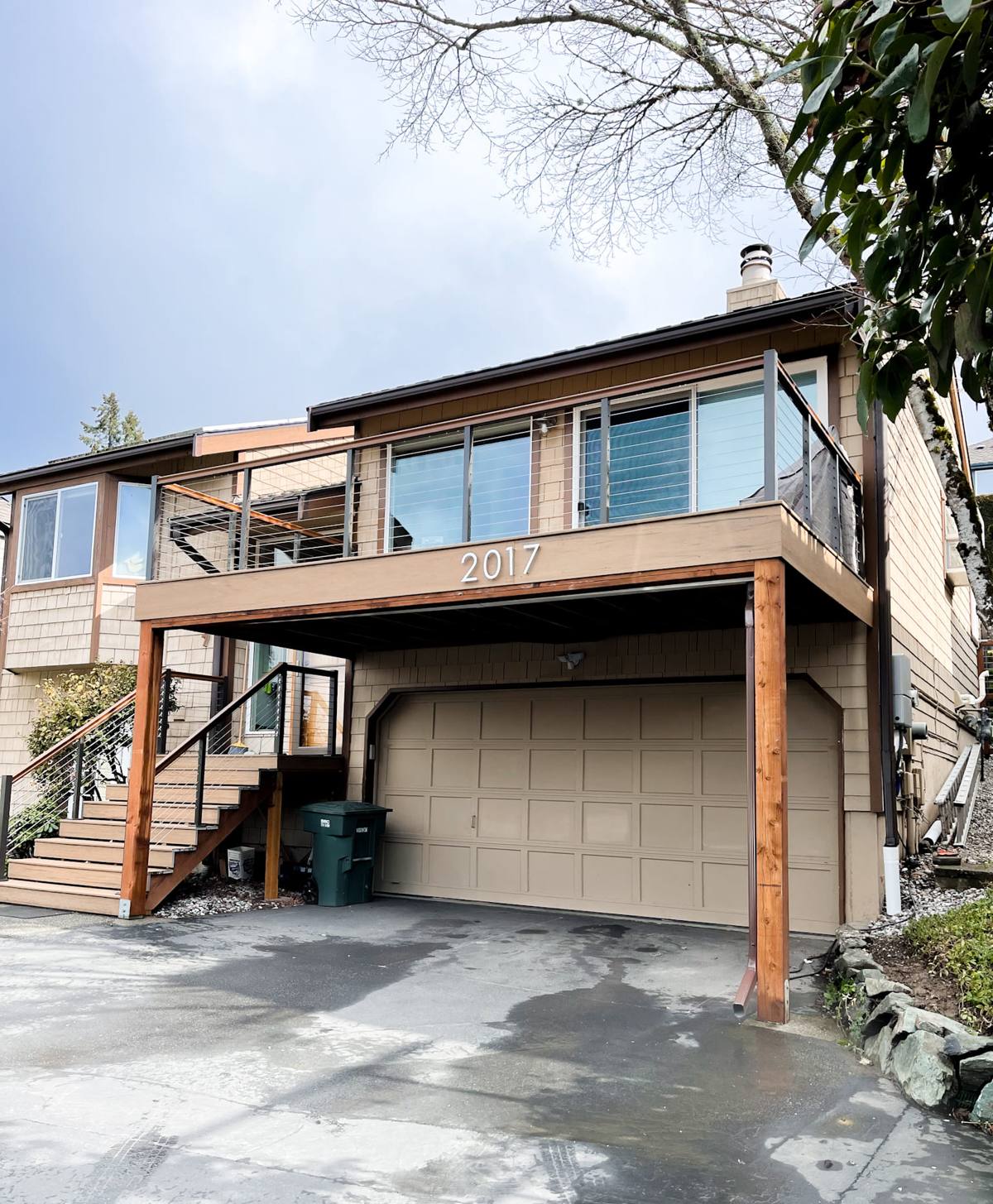
Sehome sits close enough to the water and to the hills above town that decks here take a specific kind of beating. It's not one dramatic storm that ruins a deck — it's the daily grind of salt-tinged air off Bellingham Bay, long stretches of driving rain that push water sideways into seams and fastener holes, and a moss season that can run from October well into spring. Add the shade from mature trees common in older Sehome yards, near the university and the surrounding residential streets, and you get decks that stay damp longer than they would in a drier climate. Wood decking reacts to that combination by cupping, splintering, and graying unevenly. Composite decking, installed correctly, is built to shrug off exactly this kind of exposure — but "installed correctly" is doing a lot of work in that sentence, and it's the part most homeowners never get a straight answer on.
What Whatcom County's Climate Actually Demands From a Deck
Before talking product, it helps to be clear about what the deck is actually up against here, because it changes real decisions about substructure, fasteners, and board choice.
Moisture That Doesn't Let Up
Bellingham gets a lot of rain, but the bigger issue is duration — days of steady, low-intensity rainfall that keep every surface wet for hours or days at a stretch. Decking that can't shed water quickly, or a substructure that traps moisture underneath, stays saturated long enough for rot, mold, and mildew to take hold even in materials that are supposed to resist them.
Salt Air and Metal Fatigue
Proximity to the bay means airborne salt settles on everything, including the fasteners, flashing, and hardware holding a deck together. Standard hardware corrodes faster here than it would inland. This matters more than most homeowners realize, because a deck's weakest point is rarely the decking boards themselves — it's the metal connecting them to the house and to each other.
Moss, Algae, and Shade
A long moss season plus shaded yards means organic growth on deck surfaces is close to guaranteed without the right board texture and a drainage design that lets surfaces dry between rain events. Moss doesn't just look bad — it holds moisture against the board surface and makes footing slick and dangerous on stairs and ramps.
What a Correct Composite Deck Build Actually Involves
Composite decking is only as good as what's underneath it. A lot of decking failures blamed on the material are really failures of the framing, flashing, or fastening choices made before a single composite board went down.
Ledger Board and House Connection
Where the deck attaches to the house is the single most common source of hidden water damage. Proper flashing that directs water away from the ledger, sealed and separated from the siding correctly, keeps water from tracking behind the house wall — a slow, invisible problem until it isn't.
Substructure and Drainage
Joists need protective tape or coating to keep them from absorbing standing water at the cut ends and fastener points, which is where untreated framing rots first. The deck also needs enough slope and clearance underneath for water to actually drain and air to circulate, rather than pooling against the house or under low-clearance sections where moss and mildew set up shop.
Fasteners and Hardware
Given the salt air here, hardware grade is not a place to cut corners. Stainless or coated fasteners rated for coastal exposure cost more up front and save homeowners from rust streaks, loosened boards, and premature hardware failure a few years in.
Board Fastening Method
Hidden fastener systems keep water from pooling in screw holes on the walking surface, which matters more in a wet climate than in a dry one — every penetration in the board face is a potential entry point for moisture if it's not sealed or designed to shed water.
Comparing Composite Decking Options for This Climate
Not all composite decking performs the same way in a wet, shaded, salt-air environment. Here's how the main categories stack up on the factors that matter most for Sehome conditions.
| Board Type | Moisture Resistance | Moss/Algae Resistance | Maintenance | Typical Lifespan |
|---|---|---|---|---|
| Uncapped composite | Fair — core can absorb moisture over time | Lower — more porous surface | Periodic cleaning and occasional sealing | 15-20 years |
| Capped composite | Good — protective shell resists moisture intrusion | Better — smoother, less porous surface | Routine washing, minimal upkeep | 20-25+ years |
| PVC/cellular decking | Very good — no wood fiber core to absorb water | Good with textured finishes | Low — mainly surface cleaning | 25-30+ years |
The right choice depends on budget, how shaded the deck area is, and how much upkeep a homeowner actually wants to do. We walk through this trade-off honestly on-site rather than defaulting to whatever's easiest to install.
Our Process for Composite Decking in Sehome
We treat every deck build here as a coastal, wet-climate project, not a generic install.
1. Site and Structure Assessment
We look at drainage, shade patterns, existing framing condition, and how the deck ties into the house before recommending anything. On older Sehome homes, existing ledger connections and framing sometimes need repair before new decking goes on top.
2. Drainage and Substructure Planning
We plan slope, joist protection, and clearance specifically for how water needs to move off this property, not a one-size-fits-all layout.
3. Material Selection
We walk through board options against your budget, sun exposure, and how the deck will be used, being upfront about maintenance trade-offs rather than upselling the priciest option.
4. Installation
Coastal-grade hardware, proper flashing at the house connection, and correctly spaced, ventilated framing — the parts of the job that don't show up in photos but determine whether the deck is still solid in fifteen years.
5. Final Walkthrough
We go over basic care for your specific board choice so you know what routine maintenance actually looks like here versus in a drier climate.
Living With a Composite Deck in a Marine Climate
Composite decking is genuinely low-maintenance compared to wood, but "low-maintenance" doesn't mean "no-maintenance" in a place with this much moisture and moss pressure. A little seasonal attention keeps a good deck good for decades.
- Sweep debris and fallen leaves off the deck regularly, especially in shaded corners where moisture lingers longest
- Rinse the surface every few months to clear salt residue and organic buildup before it sets in
- Clean visible moss promptly with a soft-bristle brush and a cleaner rated for composite decking — pressure washers can damage board surfaces if used incorrectly
- Check that gaps between boards and along the house connection stay clear so water keeps draining as designed
- Inspect visible fasteners and railing hardware annually for early signs of corrosion
- Trim back overhanging branches where possible to reduce shade and speed up surface drying
What Composite Decking Costs and What Drives the Price
Pricing depends on square footage, board tier, structural condition, and site access, but the honest range for most composite decks in this area runs from the mid-teens to the low-thirties per square foot installed, with PVC and premium capped composite lines running higher. Below are the factors that actually move the number.
| Cost Factor | Why It Matters |
|---|---|
| Board tier (uncapped vs. capped vs. PVC) | Material cost and long-term durability both scale with tier |
| Existing framing condition | Rot or undersized joists on older decks add repair costs before new decking goes down |
| Deck height and railing requirements | Taller decks and code-required railings add labor and material |
| Site access and shape | Complex layouts, stairs, and tight yard access increase labor time |
| Drainage and flashing work | Proper ledger flashing and joist protection are worth the added cost given local rainfall |
Why Hiring a Crew That Already Works Sehome Matters
A contractor who works decks across Whatcom County regularly already knows how local moisture patterns, shade, and salt exposure affect material choices and build details — that's not something you get from a spec sheet. It shows up in small decisions: which hardware grade to use without being asked, how much slope to build in given a specific yard's drainage, and which board finishes actually resist moss in a shaded Sehome lot versus a sunnier spot across town. It also means a crew that stands behind the work is still local and reachable if something needs attention down the road, rather than having moved on to a different region entirely.
If you're thinking about a new composite deck or replacing an aging wood one, we're happy to take a look and give you a straightforward, no-pressure estimate — just fill out the form below and we'll get in touch.