 Bellingham Exterior
 Why Silver Beach Homes Ask About Windows First
Silver Beach sits close enough to Bellingham Bay that homeowners deal with a specific mix of conditions most inland neighborhoods don't: salt-laden air off the water, wind-driven rain that hits window walls at an angle instead of straight down, and a wet season that runs long enough for moss and algae to gain a foothold on anything that stays damp. Windows are usually the first place all of that shows up — not as a dramatic failure, but as a slow creep of drafts, fogged glass, sticky sashes, and rot at the corners of old wood frames.
We get calls from this area specifically because older single-pane and early dual-pane windows were never built with this exposure in mind. A window that performs fine on a sheltered inland lot can underperform badly a few blocks from the water. That's not a knock on any particular product — it's just physics. Salt air accelerates corrosion on hardware and low-quality metal components, and constant moisture cycling stresses seals and finishes faster than a dry climate ever would.
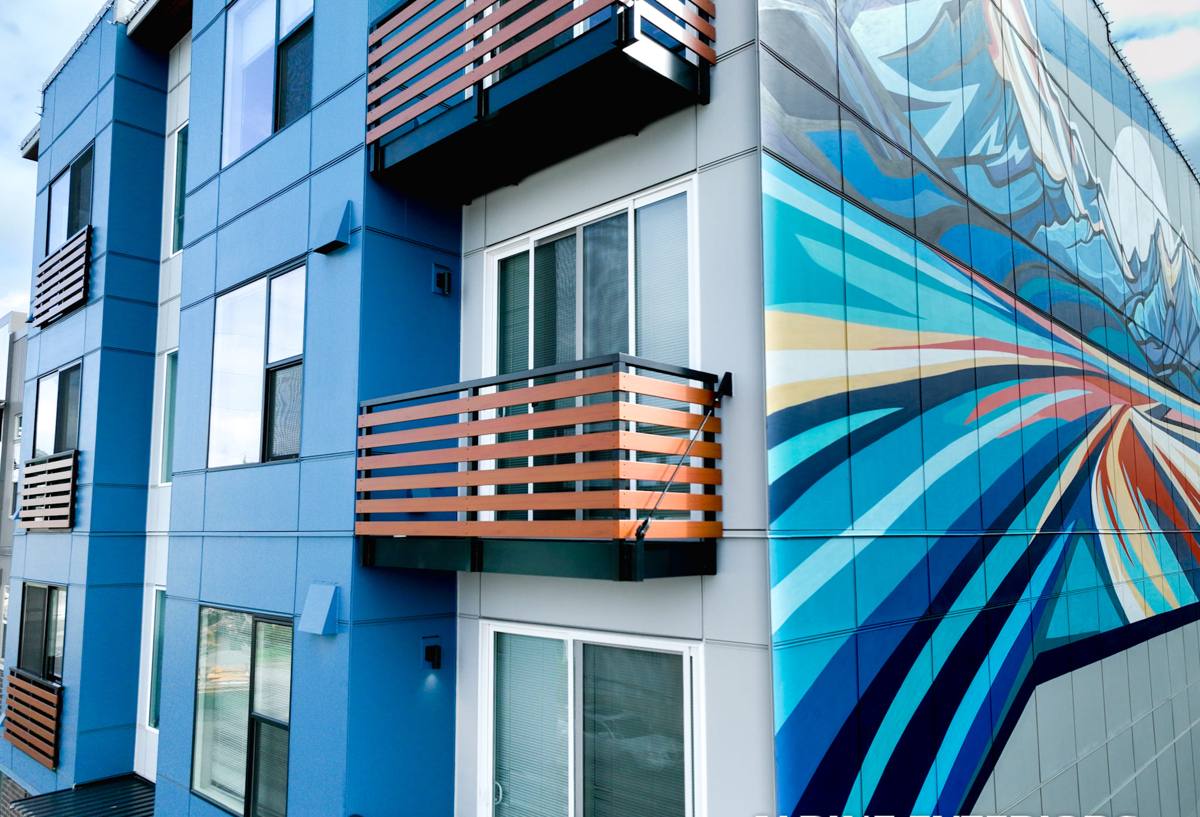
What Salt Air, Rain, and Moss Actually Do to a Window
Salt Air and Corrosion
Airborne salt settles on everything, including window hardware, weep hole covers, and metal cladding. Over years, it accelerates pitting and corrosion on lower-grade fasteners, hinges, and locks. This is why hardware material and finish matter more here than in a typical inland Whatcom County installation — stainless or marine-grade components hold up; basic zinc-plated hardware often doesn't.
Wind-Driven Rain
Rain that comes in sideways off the bay tests a window's water management in ways vertical rain doesn't. Flashing details, sill pan design, and the quality of the seal between the window unit and the rough opening all matter more here. A window that's watertight in a lab test can still leak on a Silver Beach exterior wall if the flashing integration around it was done poorly.
Moss and Algae Growth
Our long wet season keeps window sills, tracks, and the wood or composite trim around frames damp for weeks at a time. Moss and algae don't just look bad — they hold moisture against the surface they're growing on, which speeds up rot in wood components and can stain vinyl and fiber-cement trim permanently if left unaddressed.
Signs Your Windows Are Losing the Battle
- Visible condensation or fogging between panes (a sign the seal has failed)
- Drafts you can feel near the frame on a windy day
- Sashes that stick, drag, or won't latch cleanly
- Soft or discolored wood at the sill or corners
- Green or black growth on the sill, track, or exterior trim that keeps coming back
- Noticeably higher heating bills compared to similar-sized homes nearby
- Rust streaks or corrosion on hardware, tracks, or hinges
Any one of these on its own might not mean much. Two or three together, especially on the side of the house facing the water, usually means the windows are past the point where caulk and weatherstripping will fix the problem.
What We Look for Before Recommending Replacement
Not every window that shows wear needs to come out. Part of doing this job honestly is telling homeowners when a window can be repaired, resealed, or have hardware serviced instead of replaced. We check:
- Whether the frame material itself is sound or has started to fail structurally
- Condition of the seal on dual-pane units (fogging usually means the seal is gone for good)
- How the window was flashed into the wall originally, since that affects whether a straightforward swap will actually solve a water intrusion issue
- Hardware condition and whether it's salvageable or corroded beyond reasonable service life
- Whether moss or algae staining is cosmetic or has led to rot underneath
Choosing Materials That Actually Hold Up Here
For a location like Silver Beach, we lean toward frame materials and hardware finishes that are built to shrug off salt exposure and constant moisture rather than just tolerate it. That generally means vinyl or fiberglass frames with corrosion-resistant hardware, and glass packages with a low-E coating and gas fill suited to our marine climate rather than a hot, dry one. Wood-clad windows can look great, but in this exposure they demand more upkeep — that's a maintenance trade-off we lay out plainly rather than gloss over.
| Frame Material | Salt Air / Moisture Behavior | Maintenance Level |
|---|---|---|
| Vinyl | Doesn't corrode; handles moisture well; some flexing in temperature swings | Low |
| Fiberglass | Very stable dimensionally; strong resistance to moisture and salt | Low |
| Aluminum | Prone to corrosion near salt air unless marine-grade and properly finished | Moderate to High |
| Wood / Wood-clad | Attractive but vulnerable to rot and moss staining without regular upkeep | High |
Glass performance matters just as much as frame choice. A double- or triple-pane unit with a quality low-E coating cuts down on heat loss through our long heating season and reduces the interior condensation that shows up on cold, damp Whatcom County mornings — which is itself a contributor to window-adjacent mold and mildew over time.
What Correct Installation Looks Like for This Exposure
The window unit itself is only part of the equation. In a location that takes wind-driven rain seriously, installation detail is what actually determines whether a window stays dry for the next twenty years or starts leaking in five. A correct install for Silver Beach conditions includes:
- Proper sill pan flashing so any water that gets past the exterior finish drains back out, not into the wall
- Continuous flashing integration with the existing weather-resistive barrier, lapped correctly for water to shed downward
- Sealant applied at the right points — not everywhere, since trapping moisture behind a fully sealed frame can cause more harm than good
- Shimming and fastening that keeps the frame square without distorting it, which affects both operation and long-term seal performance
- Insulating the gap between the frame and rough opening properly, avoiding both gaps and over-packing
Skipping any one of these steps is often invisible on install day and only shows up as a leak or draft a season or two later — which is exactly the kind of callback we're trying to prevent by doing it right the first time.
Our Process for a Silver Beach Window Project
1. On-Site Assessment
We look at each window individually rather than assuming a whole-house blanket approach. Some homes need every window replaced; others need a mix of replacement and targeted repair.
2. Honest Scope and Estimate
We tell you what actually needs to happen, including if we think a window can be saved rather than replaced, and what the trade-offs are between material options for your specific exposure.
3. Flashing and Water Management First
Before a new window ever goes in, we address the flashing and water path at that opening. This is the step that determines long-term performance more than the window brand does.
4. Installation
Careful shimming, fastening, and sealing, with attention to keeping the unit operating smoothly and sealed correctly for our climate.
5. Final Check and Cleanup
We test operation, check the seal, and clean up the work area before we consider the job done.
Maintenance That Extends Window Life in This Climate
Even a well-installed, well-built window benefits from basic seasonal upkeep in a salt-air, high-rain environment:
- Rinse accumulated salt film off exterior glass and frames periodically, especially after storms
- Clear moss and debris from sills and tracks before it has a chance to hold moisture long-term
- Check weep holes each fall to make sure they're clear and draining properly
- Lubricate hardware as needed and watch for early corrosion so it can be addressed before it spreads
- Inspect exterior caulking annually and address any cracking before wet season sets in
Why Local Experience Matters for This Job
A window installer who mostly works inland jobs may not think twice about flashing details or hardware grade, because those choices don't get tested the same way on a sheltered lot. Working regularly in Bellingham and around Bellingham Bay, including Silver Beach specifically, means we've seen firsthand which details hold up to salt air, driving rain, and a long moss season — and which ones fail early. That's the kind of judgment that only comes from doing this work repeatedly in this exact environment, not from a general product spec sheet.
If your windows are drafty, fogged, sticking, or just old enough that you're wondering whether it's time, we're happy to take a look and give you a straightforward assessment. There's no pressure and no obligation — just an honest read on what your home actually needs and what it would cost to do it right. Fill out the form below to schedule a free estimate.