 Bellingham Exterior
 Siding Replacement Built for Silver Beach's Waterfront Exposure
Silver Beach sits close enough to Bellingham Bay that salt air is part of daily life, not an occasional nuisance. Homes here take on a different kind of punishment than siding a few miles inland: airborne salt that accelerates corrosion and finish breakdown, driving rain that comes in sideways off the water during winter storms, and a long, damp moss season that keeps north- and west-facing walls wet for weeks at a time. If your siding is original to the house, showing soft spots, peeling paint, or green growth that won't scrub off, it's not cosmetic — it's a sign the wall assembly behind it is under stress.
This page focuses specifically on siding replacement for Silver Beach properties. Not a general overview of siding, and not a citywide pitch — the actual conditions of this neighborhood, what they do to different siding materials over time, and what a correctly executed replacement looks like here.
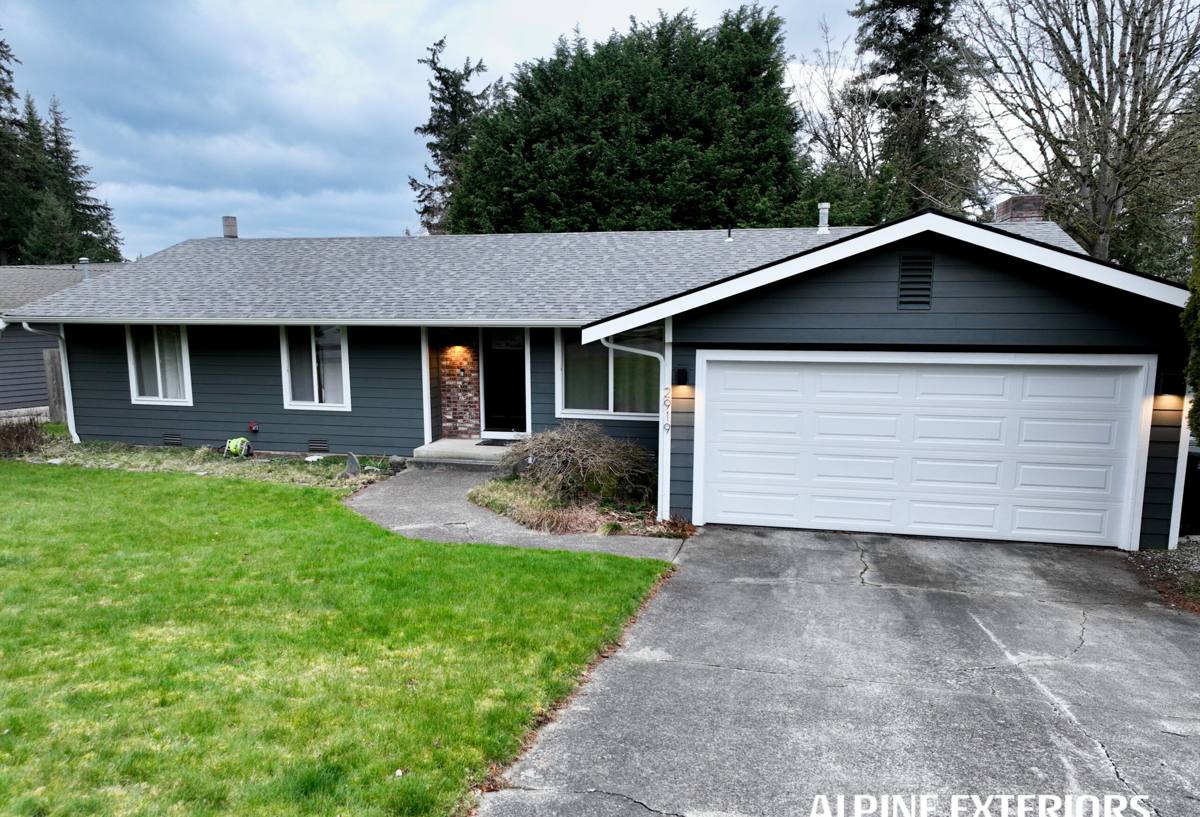
Why Silver Beach's Climate Is Harder on Siding Than Most of Bellingham
Whatcom County as a whole deals with heavy annual rainfall and long stretches of overcast, moisture-laden weather. Silver Beach adds salt exposure on top of that, which most inland Bellingham neighborhoods don't have to contend with in the same way. Three factors compound here:
- Salt air corrosion: Fasteners, flashing, and trim accessories all corrode faster near the water. Cheap or mismatched hardware fails years before the siding itself would.
- Driving rain and wind-driven moisture: Wind off the bay pushes rain into joints, laps, and penetrations that would stay dry on a calmer site. Any gap in the water-management plane gets tested harder here.
- Extended moss and algae season: Shade, moisture, and mild temperatures let moss and mildew establish on siding surfaces for much of the year, especially on north-facing walls and anywhere tree cover blocks sun and airflow.
None of this means siding is doomed in Silver Beach — it means the material and the installation both have to be matched to the exposure, not just picked off a shelf.
What This Means for Material Choice
Wood-based products — cedar, primed spruce, engineered wood siding like LP SmartSide — depend on an intact factory or field-applied coating to keep moisture out. In a salt-air, high-rain environment, any breach in that coating (a nail pop, a scuff, a poorly caulked joint) gives water a path into wood fiber that swells, softens, and eventually rots from the inside. Vinyl siding doesn't rot, but it's a thin material that can warp or crack in temperature swings and offers no real fire resistance — and salt-laden moisture tends to sit in vinyl's laps and J-channels rather than shedding cleanly. We don't install any of these products, and Silver Beach's exposure is exactly the kind of site where their weaknesses show up soonest.
We install James Hardie fiber cement exclusively. It's non-combustible, doesn't rot, and holds its factory-applied ColorPlus finish through years of salt air and rain without the recoating cycle wood siding demands. Hardie's HZ10 product line is specifically engineered for the kind of wet, moderate-humidity climate the Pacific Northwest coast produces — it's not a generic siding pressed into service here, it's built for this.
What a Correct Siding Replacement Involves
Replacing siding on a Silver Beach home is not a cosmetic swap. The parts homeowners don't see are what determine whether the new siding lasts 10 years or 40.
1. Full Tear-Off and Wall Inspection
Old siding comes off completely so we can inspect sheathing, framing, and existing flashing for hidden moisture damage. In a salt-air, high-rain neighborhood, this step matters more than usual — trapped moisture behind old siding doesn't dry out on its own here, and building over rotten sheathing guarantees an early failure regardless of what siding goes on top.
2. Water-Resistive Barrier and Flashing
A correctly lapped weather-resistive barrier, properly integrated window and door flashing, and rainscreen or drainage detailing where the assembly calls for it give wind-driven rain somewhere to go besides into the wall. This is the single biggest difference between a siding job that holds up on an exposed, waterfront-adjacent lot and one that doesn't.
3. Fastening and Hardware Matched to the Environment
Corrosion-resistant fasteners and trim accessories are not optional this close to the bay. Standard hardware can start showing rust streaks and weakening within a few years in salt air; we spec fasteners and flashing metals rated for coastal exposure.
4. Installation to Manufacturer Spec
James Hardie's warranty is tied to correct installation — proper clearances, fastening patterns, and joint treatment. We install to that spec as standard practice, not as an upsell.
Comparing Siding Materials for a Silver Beach Property
| Factor | James Hardie Fiber Cement | Wood / Engineered Wood | Vinyl |
|---|---|---|---|
| Salt air / corrosion resistance | Excellent — non-organic material | Moderate; coating is the only protection | Good vs. rot, poor at sealing laps |
| Wind-driven rain performance | Strong when installed with proper flashing | Vulnerable at any coating breach | Prone to moisture pooling at joints |
| Moss/algae resistance | Factory finish resists staining, cleans easily | Absorbs moisture, promotes growth | Growth sits on surface, harder to fully clean |
| Fire resistance | Non-combustible | Combustible | Melts/deforms under heat |
| Typical repaint/recoat cycle | None needed for years (ColorPlus finish) | Every 5-8 years | Never repainted, but replaced when damaged |
What Drives Cost on a Silver Beach Siding Job
Every home is different, but the same handful of factors move the price up or down on most replacement projects in this neighborhood:
- Extent of hidden damage: Rot found during tear-off adds sheathing and framing repair before new siding can go on.
- Home size and wall complexity: Dormers, multiple gables, and cut-up wall lines take more labor and trim work than a simple rectangular elevation.
- Siding profile and accessories: Lap siding, board-and-batten, and shingle-style Hardie products carry different material and labor costs, as do corner boards, trim, and soffit details.
- Access and site conditions: Waterfront-adjacent lots with steep grades or limited staging area can affect scaffolding and logistics.
- Flashing and drainage upgrades: Bringing an older wall assembly up to current water-management standards is worth the investment here, and it affects scope.
We give homeowners a clear, itemized estimate after an on-site look — not a ballpark number over the phone that ignores what's actually going on behind the old siding.
Why Hiring a Crew That Already Works Silver Beach Matters
A siding crew that mostly works dry, inland sites can miss details that matter on a bay-adjacent property — under-specified flashing, standard fasteners where corrosion-resistant hardware was called for, or trim details that don't account for driving rain direction. A crew that regularly works Silver Beach and similar Bellingham waterfront-adjacent neighborhoods already builds those decisions into the plan by default, because they've seen what happens when they're skipped.
We're a Whatcom County-based crew, not a traveling outfit passing through. That means we're accountable locally if something needs a second look after the job is done, and we understand the microclimate differences between a sheltered inland lot and an exposed Silver Beach elevation without needing it explained.
Signs Your Silver Beach Home May Need Siding Replacement Soon
- Soft or spongy spots when you press on the siding, especially near the bottom courses or under windows
- Persistent moss or algae staining that returns quickly after cleaning
- Paint that's peeling, bubbling, or chalking heavily on wood or engineered wood siding
- Visible warping, cupping, or gaps opening up between boards
- Rust streaking from fasteners or trim hardware
- Rising energy bills that hint at moisture or air infiltration behind the siding
- Visible daylight or drafts around window and door trim
Catching these signs early keeps a siding project a straightforward replacement instead of a larger repair involving sheathing and framing.
Our Process for a Silver Beach Siding Replacement
- On-site inspection and honest assessment of current siding and any hidden damage
- Detailed, itemized estimate covering material, labor, and any structural repair needed
- Full tear-off with sheathing and framing inspection before anything new goes up
- Water-resistive barrier and flashing installed to manage wind-driven rain
- James Hardie fiber cement siding installed to manufacturer spec, with corrosion-resistant fasteners and hardware appropriate for salt air exposure
- Final walkthrough so you understand what was done and what the warranty covers
If your Silver Beach home is showing signs of wear from salt air, driving rain, or moss buildup, we'd be glad to take a look and give you a straightforward, no-pressure estimate. Fill out the form below to get started.