 Bellingham Exterior
 New Roof Installation Built for Sunnyland's Climate
Sunnyland is one of Bellingham's older, well-established neighborhoods, and that means a lot of the housing stock is carrying original or second-generation roofing that was never designed for what Whatcom County weather delivers today. A new roof installation here isn't just about swapping old shingles for new ones. It's about correcting decades of moisture exposure, adapting to tree cover and shade patterns that promote moss, and accounting for the salt-laden air that rolls in off Bellingham Bay. We approach every Sunnyland roof replacement as a system, not a surface — deck, ventilation, underlayment, and covering all working together.
Homeowners in this part of Bellingham tend to have mature landscaping, close-set houses, and a mix of roof ages from different eras of neighborhood development. That variety means no two new roof jobs on the same block look identical once we get up there and start pulling old material. What stays consistent is the climate problem we're solving for: near-constant damp, long stretches without direct sun on north-facing slopes, and salt air that accelerates corrosion on anything metal.
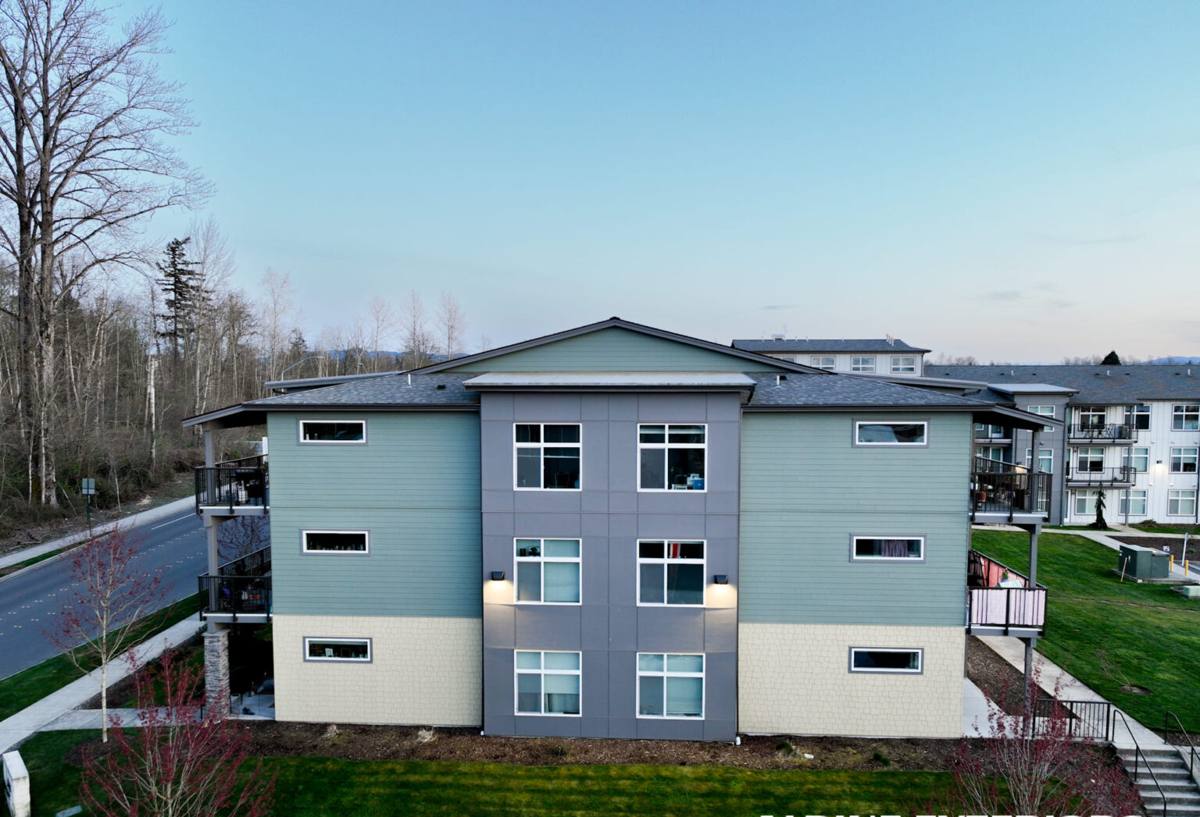
What Sunnyland's Weather Does to a Roof Over Time
Three climate factors drive almost every full roof replacement we do in this neighborhood:
- Salt air: Proximity to the bay means airborne salt settles on roofing metal — flashing, fasteners, vent caps — and speeds up corrosion compared to inland Whatcom County homes.
- Driving rain: Wind-driven rain off the water doesn't just fall straight down. It gets pushed sideways under shingle tabs, around poorly lapped flashing, and into any gap that a fair-weather installation might get away with elsewhere.
- Extended moss season: Shade from mature trees, combined with months of damp, gives moss and moss-adjacent growth a long runway. Once established, it lifts shingles, holds water against the deck, and shortens the life of the roof significantly.
Individually, any one of these is manageable. Together, over enough years, they explain why we see premature granule loss, soft decking at eaves, and corroded fasteners on roofs that are technically still within their rated lifespan on paper but failing in practice.
Why "Just Reroofing" Isn't Enough
A new roof installation that only replaces the visible covering and ignores what's happening underneath is a short-term fix. If the deck has soaked up moisture for years, if ventilation was never adequate, or if flashing details weren't built for wind-driven rain in the first place, a fresh layer of shingles will fail faster than it should. Correct installation in Sunnyland means addressing the causes, not just the symptoms.
What a Correct Installation Involves
A full roof replacement done right, for this specific climate, includes several steps that are easy to skip if a crew is moving fast or unfamiliar with local conditions.
Tear-Off and Deck Inspection
Complete removal of the old roofing down to the deck, followed by an honest inspection of the sheathing. Any wood that's delaminated, soft, or stained from long-term moisture gets replaced — not covered over. This is the step where a roof's real condition is revealed, and it's also the step that gets shortcut most often on lower-bid jobs.
Ice-and-Water and Underlayment Strategy
Given the volume of wind-driven rain Sunnyland sees, self-adhering ice-and-water membrane belongs at eaves, valleys, and around every penetration — not just where code minimums require it. A synthetic underlayment over the rest of the deck adds a second line of defense if wind ever drives moisture past the primary roofing.
Flashing Built for Sideways Rain
Step flashing at walls and chimneys, properly lapped valley metal, and corrosion-resistant fasteners matter more here than in drier inland areas. Salt air will find any weak metal or exposed fastener head over time, so we spec materials with that in mind rather than defaulting to whatever is cheapest.
Ventilation Correction
Balanced intake and exhaust ventilation reduces the trapped moisture that feeds moss growth and rot from the underside of the deck. Many older Sunnyland homes have inadequate or mismatched ventilation from renovations over the years, and a full roof replacement is the right time to correct it.
Moss-Resistant Details
Where shade and roof pitch make moss likely, we talk through options like zinc or copper strips near ridges and choosing materials with algae-resistant granules, so the new roof starts its life with some built-in resistance instead of relying entirely on future maintenance.
Material Options for Sunnyland Homes
Most Sunnyland roofs are asphalt composition shingle, and for good reason — it's a proven, well-supported product with strong warranty backing and a wide range of price points. We also install metal roofing for homeowners who want a longer service life and better shedding of wind-driven rain, and we're happy to talk through both honestly rather than pushing one over the other.
| Factor | Asphalt Composition Shingle | Standing Seam Metal |
|---|---|---|
| Typical lifespan | 20–30 years, product-dependent | 40–60 years |
| Moss resistance | Moderate; improved with algae-resistant granules | High; sheds moisture and debris faster |
| Salt air durability | Good with corrosion-resistant fasteners and flashing | Requires marine-grade coatings or finishes near the bay |
| Upfront cost | Lower | Higher |
| Repairability | Simple, widely available materials | Requires matching panel profile and finish |
Neither option is automatically "better" — it depends on how long you plan to stay in the home, your budget, and how much shade and moss pressure your specific roof deals with. We'll walk your roof with you and give a straight recommendation based on what we see, not a standard script.
Our Process for a Sunnyland Roof Replacement
- On-site assessment: We inspect the current roof, deck condition where accessible, ventilation setup, and any moss or moisture patterns specific to your lot's shade and exposure.
- Written estimate: A clear scope of work and pricing, including what's included for tear-off, deck repair allowances, underlayment, and flashing — no vague line items.
- Material selection: We go over shingle or metal options suited to your home's exposure to bay winds and shade, and your budget.
- Scheduling around weather: Bellingham's rain patterns mean we plan installation windows carefully and protect an open deck if conditions shift mid-project.
- Installation: Tear-off, deck repair as needed, underlayment, flashing, ventilation correction, and covering installed to manufacturer specification.
- Final walkthrough: We review the completed roof with you, including ventilation changes and any moss-prevention details installed, before we consider the job done.
Signs a Sunnyland Roof Needs Full Replacement, Not Repair
- Granule loss heavy enough that shingles look bald or patchy in sun-exposed sections
- Soft or spongy decking felt underfoot in the attic, especially near eaves
- Moss buildup that returns quickly after cleaning, or that's lifting shingle edges
- Rusted or failing flashing around chimneys, vents, or valleys
- Daylight visible through the roof deck from inside the attic
- Multiple past repairs in different areas rather than one contained problem
- Roof age approaching or past the manufacturer's rated lifespan for your material
If you're seeing two or more of these, a repair is usually a delay tactic rather than a fix. We'll always tell you honestly if repair is still a reasonable option — full replacement isn't the answer for every aging roof, just the ones where the underlying problems have compounded.
Why Local Installation Experience Matters Here
A crew that's worked Sunnyland roofs specifically knows which streets sit in deeper shade longer into the day, how bay wind direction tends to drive rain into certain roof faces, and what fastener and flashing choices actually hold up against salt air over years, not just on paper. That's different from general roofing knowledge — it's the accumulated pattern recognition of having seen how this neighborhood's roofs age. It shows up in small decisions: where we add extra ice-and-water coverage, which ventilation corrections we recommend, and which material upgrades are worth the cost here specifically versus in a drier, more inland part of Whatcom County.
Maintenance After Installation
A correctly installed roof still benefits from basic upkeep, especially in a climate like this one.
- Keep gutters clear so water doesn't back up under eave flashing during heavy rain
- Trim back overhanging branches to reduce shade and debris that feed moss growth
- Have moss growth addressed early, before it lifts shingles or holds standing moisture
- Schedule a periodic visual inspection, particularly after major windstorms off the bay
None of this replaces a correct installation, but it extends the life of one and helps you catch small issues before they become full repairs.
If your Sunnyland roof is showing its age or you just want an honest read on its condition, we're glad to come take a look. The estimate is free, there's no pressure, and you'll get a straight answer about whether you need a full replacement, a repair, or just some time — use the form below to get started.