 Bellingham Exterior
 Asphalt Shingle Roofing Built for the York Area's Climate
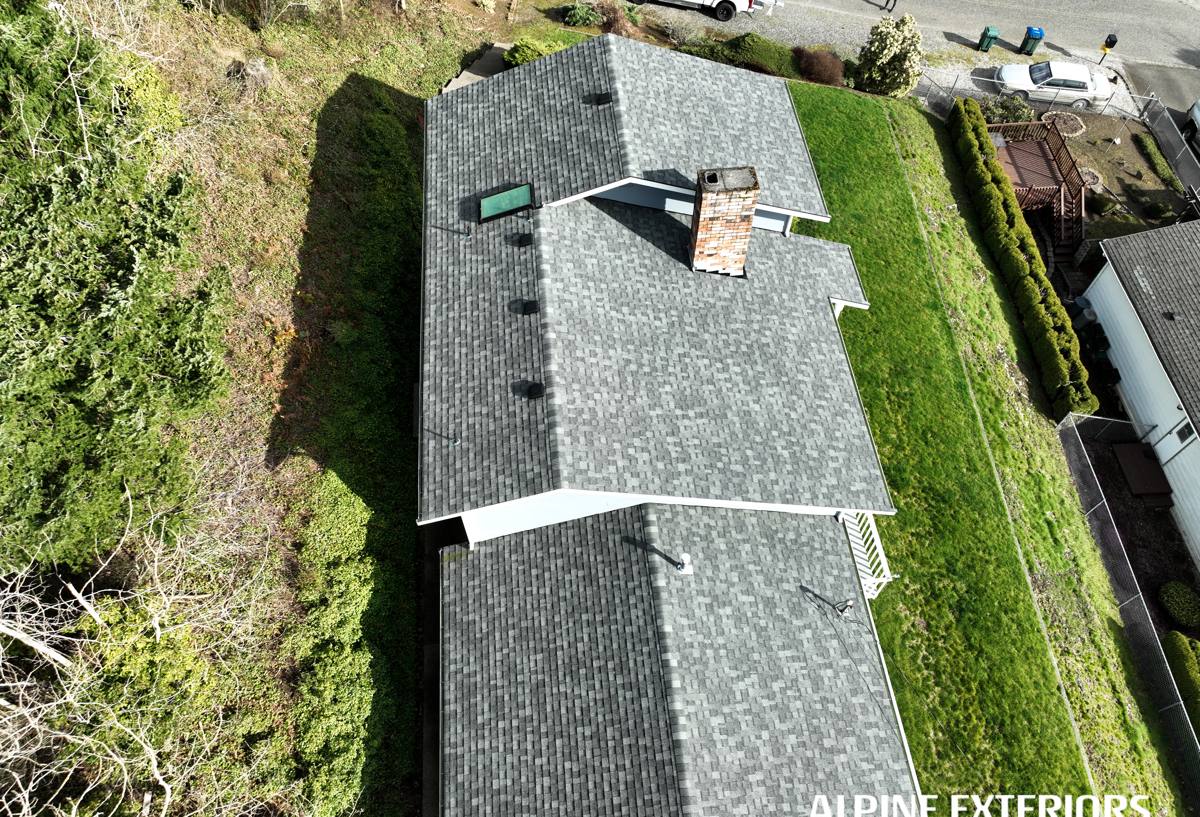
Homes in the York area of Bellingham sit close enough to the water and the tree canopy that roofs here work harder than roofs almost anywhere else in Whatcom County. Salt-laden air off Bellingham Bay accelerates corrosion on exposed metal, driving rain off the Strait finds every weak seam and nail pop, and the long, wet moss season packs organic growth into shingle mats for most of the year. Asphalt shingle roofing remains the most practical, cost-effective option for the majority of York homes when it's specified and installed correctly for these conditions — but "correctly" is doing a lot of work in that sentence, and it's where a lot of roofs in this neighborhood fall short.
This page walks through what a shingle roof actually needs to hold up in York, what a proper installation involves, and how we approach the job from first look to final walkthrough.
Why York's Microclimate Is Harder on Shingle Roofs
York isn't a coastal cliffside neighborhood, but its proximity to Bellingham Bay and the region's mature tree cover combine to create conditions that shorten the life of a poorly installed roof faster than drier inland climates would.
Salt Air and Metal Components
Every asphalt shingle roof depends on metal in places most homeowners never think about: drip edge, step flashing, valley metal, nail heads, and vent stacks. In a salt-air environment, uncoated or under-specified metal corrodes years ahead of schedule. Once flashing rusts through, water finds its way behind the shingle field regardless of how good the shingles themselves are.
Driving Rain
Bellingham's weather regularly delivers wind-driven rain rather than straight-down rain. That matters because wind-driven water can work sideways and upward under shingles at transitions — ridges, valleys, sidewalls, and penetrations — spots where gravity-only assumptions about roofing fail. These are the areas where underlayment overlap, fastener placement, and flashing detail decide whether a roof stays dry.
Moss and Organic Growth
Between the marine humidity and shade from mature trees common in older Bellingham neighborhoods, moss and algae growth is close to a year-round condition rather than a seasonal nuisance. Moss holds moisture against the shingle surface, works its way under tabs as it grows, and adds weight and abrasion over time. Left unmanaged, it shortens shingle life significantly — often long before the manufacturer's rated lifespan is reached.
What a Correct Installation Involves
A shingle roof is a system, not a single product. Every layer has a job, and skipping or under-specifying any one of them is where premature leaks and early failures come from.
Tear-Off and Deck Inspection
We remove the old roofing down to the deck rather than layering over it. That lets us actually see the sheathing — soft spots, delamination, and old water staining only show up once the shingles are off. Any damaged decking gets replaced before anything new goes down; nailing new shingles over a compromised deck just hides the problem.
Underlayment
Underlayment is the roof's real waterproofing layer — shingles shed the bulk of the water, but underlayment is what protects the deck when wind-driven rain or ice-adjacent moisture gets past the shingle surface. Given how much rain York homes see, we don't treat underlayment as an afterthought.
Ice and Water Shield at Vulnerable Points
Valleys, eaves, and roof-to-wall transitions get self-adhering ice and water membrane, not just felt or synthetic underlayment. These are the areas where driving rain and ponding are most likely to find a way in.
Flashing
New step flashing at every sidewall intersection, new valley metal, new counterflashing where the roof meets chimneys or walls, and new pipe boots. Reusing old flashing to save time is one of the most common shortcuts on reroofs, and in a salt-air environment it's also one of the most costly ones — corroded flashing fails quietly, behind the shingles, where no one sees it until there's a stain on the ceiling.
Ventilation
Balanced intake and exhaust ventilation keeps the attic dry and temperature-regulated, which protects the deck from the underside and helps the shingles themselves last their full rated life. Poor ventilation is a major, under-diagnosed cause of premature shingle failure and moisture damage in older Bellingham homes.
Fastening
Correct nail count, placement, and pattern — installed per the shingle manufacturer's wind-rating specification. In a neighborhood that gets real wind off the water, under-nailing is a callback waiting to happen.
Choosing the Right Shingle for a York Home
Not all asphalt shingles are built the same, and for this climate the differences matter more than the color chart does.
| Factor | What to Look For in York's Climate |
|---|---|
| Algae resistance | Shingles with algae-resistant granules (often marketed with a limited algae warranty) hold up longer against the area's moss and algae exposure |
| Wind rating | Higher wind-rated shingles and matching fastening patterns for exposure to Strait-driven gusts |
| Sealant strip quality | A strong factory sealant strip matters more here than in drier climates, since consistent moisture tests every seal |
| Warranty structure | Understand what's prorated vs. non-prorated, and what voids coverage — installation defects are the most common warranty denial |
| Profile/thickness | Heavier, dimensional shingles generally resist wind uplift and granule loss better over time than economy 3-tab products |
We'll walk through the manufacturer lines we install and their actual warranty terms during your estimate — the goal is matching the product to your roof's exposure, not upselling the most expensive option on the shelf.
Our Process, Start to Finish
- On-site inspection. We assess the current roof, deck condition where visible, ventilation, and problem areas specific to your home's exposure.
- Written estimate. A clear scope of work and price — what's included, what shingle and underlayment system we're proposing, and why.
- Scheduling around weather. Bellingham's wet season means we plan tear-off and dry-in carefully so your home isn't left exposed overnight.
- Tear-off and deck inspection. Full removal, deck check, and repair of any compromised sheathing before anything new goes on.
- Underlayment, ice and water shield, and flashing installation. The waterproofing system goes down first and gets inspected before shingles cover it.
- Shingle installation. Installed to manufacturer spec for nailing pattern and wind rating.
- Ventilation check. Intake and exhaust confirmed balanced for the attic space.
- Final walkthrough and cleanup. We review the finished roof with you and clear the site of debris and nails.
Signs a York Roof Needs Attention
- Granules collecting in gutters or at downspout outlets
- Dark streaking or thick moss patches on north-facing slopes
- Curling, cupping, or cracked shingle tabs
- Soft spots or sagging visible along the roofline
- Daylight visible through the attic roof deck
- Water stains on interior ceilings, especially after wind-driven storms
- Rusted or lifted flashing around chimneys, vents, or sidewalls
- Shingles missing or visibly displaced after a windstorm
Any one of these on its own may not be urgent, but a roof showing two or three of them at once is usually past the point where a repair alone solves the underlying problem.
Repair, Partial Replacement, or Full Reroof?
Not every roof problem in York calls for a full tear-off. We look at three things before recommending a scope: the age of the existing roof relative to its rated lifespan, how localized the damage is, and what we find (or expect to find) at the deck level once we get eyes on it.
When Repair Makes Sense
Isolated flashing failures, a handful of wind-lifted shingles, or a single damaged valley on an otherwise sound, mid-life roof are usually repair candidates. We won't recommend replacing a roof that has years of good service left in it.
When Full Replacement Makes Sense
Widespread granule loss, a roof nearing or past its rated lifespan, repeated leak points in different areas, or deck damage discovered during inspection all point toward a full reroof being the more honest long-term answer than chasing repairs one at a time.
Maintenance That Extends the Life of a York Roof
Given the moss and algae pressure in this part of Whatcom County, a shingle roof here benefits from periodic upkeep in a way that drier-climate roofs don't:
- Keep gutters and valleys clear of debris that traps moisture against the roof surface
- Trim overhanging branches to reduce shade, debris, and moss pressure
- Have moss growth treated and removed by a professional rather than pressure-washed, which can strip granules and shorten shingle life
- Schedule a flashing and seal check every few years, especially after major windstorms
- Address small leaks and lifted shingles promptly before wind-driven rain turns them into deck damage
Why Hiring a Crew That Already Works in York Matters
A roofer who works regularly in this part of Bellingham already knows which details matter here: how much moss pressure to expect on a shaded north slope, how corrosion-prone metal fails faster this close to the bay, and how wind off the water tests flashing details that inland installers might not think twice about. That local familiarity shows up in fewer callbacks, not in a different-looking roof — the value is in the parts you don't see once the shingles are down.
We also know that a reroof is disruptive, and we try to run a tight, respectful job site — clear scheduling, daily cleanup, and straight answers if we find something unexpected once the old roof comes off.
If your roof in the York area is showing wear, due for replacement, or you just want an honest opinion on its condition, we're happy to take a look. Reach out using the form below for a free, no-pressure estimate.