 Bellingham Exterior
 Roofing in Barkley: A Different Set of Demands
Barkley sits close enough to Bellingham Bay and the Salish Sea that salt-laden air is a constant, low-grade stressor on exposed roofing materials. Add in Whatcom County's long wet season, wind-driven rain off the water, and shaded lots that stay damp for weeks at a time, and you have a climate that is tough on roofs in ways that don't show up in a glossy brochure. A roof that would hold up fine in a dry inland climate can fail early here if it isn't installed with this specific environment in mind.
For homeowners in Barkley, a new roof installation isn't just about swapping old shingles for new ones. It's about choosing materials and installation details that account for moisture intrusion, moss growth, and the corrosive effect of coastal air on metal components. Get those details right and a roof will comfortably outlast its rated lifespan. Get them wrong and you'll be dealing with leaks, premature granule loss, or rusted fasteners well before the roof should be showing its age.
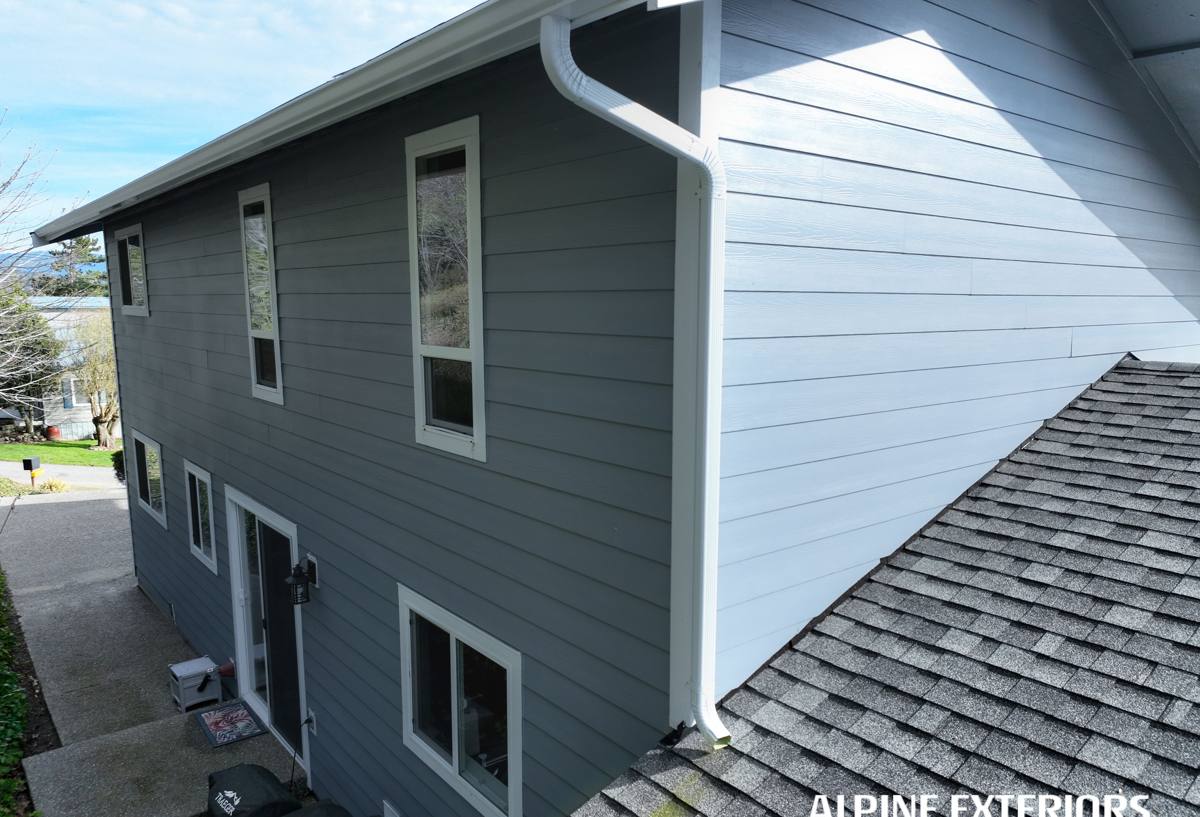
What Bellingham's Climate Does to a Roof
Salt Air and Corrosion
Even a few miles inland from the bay, airborne salt accelerates corrosion on unprotected metal — flashing, fasteners, vents, and any exposed hardware. Standard galvanized fasteners can start showing rust streaks years before they should. This is a materials-selection issue as much as an installation issue: corrosion-resistant fasteners and flashing are not optional upgrades in this area, they're the baseline.
Driving Rain
Bellingham doesn't just get a lot of rain — much of it arrives sideways, pushed by wind off the water. That matters because a roof only has to fail at one seam, one nail line, or one flashing detail for wind-driven rain to find its way under the shingles. Underlayment coverage, flashing laps, and fastening patterns all need to be tighter than what a manufacturer's minimum spec might call for in a milder climate.
Moss and Algae Growth
Whatcom County's long, cool, wet stretch from fall through spring is close to ideal moss-growing weather, especially on north-facing slopes and roof sections shaded by mature trees, which are common throughout Barkley's residential streets. Moss holds moisture against the roof surface, works its way under shingle tabs, and can lift them enough to let water in. A new roof installation is the best opportunity to build in moss resistance from day one, rather than fighting it after the fact.
What a Correct New Roof Installation Actually Involves
A roof is a system, not a single product. The shingles or panels get the attention, but the layers underneath and the flashing details around penetrations are what actually determine whether a roof stays watertight for the next 20 to 30+ years.
Tear-Off and Deck Inspection
We remove the old roofing down to the deck rather than layering over it. This lets us actually see the plywood or OSB sheathing underneath, which is the only way to catch soft spots, rot, or delamination caused by long-term moisture — a real possibility on older Barkley homes where a roof may have been holding moisture longer than anyone realized. Any damaged decking gets replaced before anything new goes down; installing new roofing over a compromised deck just hides the problem.
Underlayment and Water-Resistive Barrier
Given how much wind-driven rain this area sees, we treat underlayment as a real second line of defense, not a formality. That means full coverage synthetic underlayment and self-adhering ice-and-water membrane at the eaves, valleys, and any low-slope transitions — the spots where water is most likely to back up or get pushed under the roofing material.
Flashing Details
Chimneys, skylights, vents, and wall-to-roof transitions are where the majority of roof leaks actually originate — not in the open field of shingles. Properly stepped and counter-flashed details, with corrosion-resistant metal given the salt air, are non-negotiable around every penetration.
Ventilation
Balanced intake and exhaust ventilation keeps the attic dry and temperature-regulated, which does two things: it protects the roof deck from condensation-driven rot, and it helps prevent the ice-damming and moisture buildup that can happen during Bellingham's colder, wetter stretches. A new roof installation is the right time to correct ventilation that was never adequate to begin with.
Choosing a Roofing System for a Barkley Home
There's no single "best" roofing material for every home — the right choice depends on your roof's slope, sun and shade exposure, your budget, and how much long-term maintenance you're willing to take on. Here's how the main options stack up for this specific climate.
| Roofing System | Typical Lifespan | Moss/Algae Resistance | Coastal/Salt Air Performance |
|---|---|---|---|
| Architectural asphalt shingle | 25–30 years | Good with algae-resistant granules; needs periodic cleaning on shaded slopes | Solid, provided flashing and fasteners are corrosion-resistant |
| Standing seam metal | 40–50+ years | Excellent — moss struggles to gain a foothold on a smooth metal surface | Very good with the right coated or coastal-rated metal |
| Cedar shake | 20–30 years with upkeep | Poor without consistent maintenance — cedar readily absorbs moisture | Requires diligent upkeep in a wet, salt-air environment |
| Synthetic/composite shingle | 30–50 years | Good; many products include algae-resistant treatments | Good, non-porous surface resists moisture absorption |
For most Barkley homes, an architectural asphalt shingle with algae-resistant granules hits the right balance of cost, appearance, and performance. Homeowners who want the longest possible service life and the least ongoing maintenance often look at standing seam metal, especially on simpler roof forms where the material's strengths really show. We'll walk through the honest trade-offs for your specific roof rather than pushing one product across the board.
Our Installation Process
- On-site inspection and estimate. We walk the roof (or use a lift/drone where access is limited), check the deck condition where visible, and note ventilation, flashing, and slope details specific to your home.
- Material selection. We go over the honest trade-offs between systems for your roof's exposure and your budget — no upselling toward whatever has the highest margin.
- Scheduling around the weather. Given how much of the year here is wet, we plan installation windows carefully and keep the roof dried in at every stage so an open deck is never left exposed overnight.
- Tear-off, deck repair, and underlayment. Old roofing comes off, the deck gets inspected and repaired as needed, and full-coverage underlayment goes down before any final roofing material.
- Installation and flashing. Shingles, panels, or shakes go on per manufacturer spec (and tighter, where our experience with this climate calls for it), with careful attention to every flashing point.
- Final walkthrough. We review the completed roof with you, confirm ventilation and cleanup, and go over warranty documentation.
Moss, Maintenance, and Getting the Most Out of Your New Roof
A new roof installation is also a chance to reset your long-term maintenance situation. Zinc or copper strips near the ridge can help suppress moss regrowth on shaded slopes over time, and choosing shingles with algae-resistant granules from the start reduces how much manual cleaning you'll need down the road. Trimming back overhanging branches where practical also helps, since less shade and debris on the roof means less moisture retention.
Gutters matter more here than in drier climates — clogged gutters during a heavy Bellingham rain event can back water up under the roof edge. Keeping them clear, especially heading into fall, protects the investment you're making in the new roof.
Permits and Local Considerations
Full roof replacements in Bellingham typically require a building permit through the City of Bellingham (or Whatcom County if your property falls outside city limits), and we handle that process as part of the job. If your home in Barkley is part of a planned community or homeowners' association, it's worth checking your covenants for any roofing material, style, or color requirements before finalizing a product choice — we're happy to help you navigate that alongside the permitting process so there are no surprises.
Signs Your Barkley Home May Need a New Roof
- Shingles that are curling, cracked, or losing significant granules
- Visible moss buildup in valleys or on shaded north-facing slopes
- Daylight visible through the roof deck from inside the attic
- Water stains on interior ceilings, especially after wind-driven rain
- A roof that's 20+ years old and has never been fully replaced
- Sagging areas or soft spots noticeable when walking the roof
- Rust streaking around flashing, vents, or fasteners
If you're seeing even one or two of these, it's worth getting an honest inspection before a small issue turns into deck damage or interior water intrusion.
Why Hiring a Crew That Already Works in Barkley Matters
A roofing crew that regularly works in and around Barkley already understands the tree cover, shade patterns, and moisture exposure specific to this part of Bellingham — knowledge that shapes real decisions, like where moss resistance matters most on your particular roof, or how much ventilation your attic actually needs given your lot's sun exposure. That local familiarity, combined with straightforward communication and a crew that shows up when they say they will, is what separates a roof that performs for decades from one that needs attention again in five years.
If you're weighing a new roof for your Barkley home, we're glad to come take a look and give you a straightforward, no-pressure estimate — just fill out the form below.